Kolkata Tours - Gateway to Eastern India and the Himalayas
India's cultural capital, colonial grandeur, literary tradition, and living art
Tours in Kolkata
Kolkata, formerly Calcutta, occupies a singular place in Indian history. For nearly a century and a half it was the seat of British imperial power in Asia, and the wealth, ambition, and contradictions of that era are written into the city’s fabric in ways that time has only deepened. Today it is the cultural capital of India in a way that no other city quite matches, the home of Nobel laureates, a living classical music tradition, the best street food on the subcontinent, and a bookshop culture that refuses to die. It is also the gateway east, the place from which the road climbs into the tea hills of Darjeeling and the old kingdom of Sikkim.
The City That Was Once the Capital of the Empire
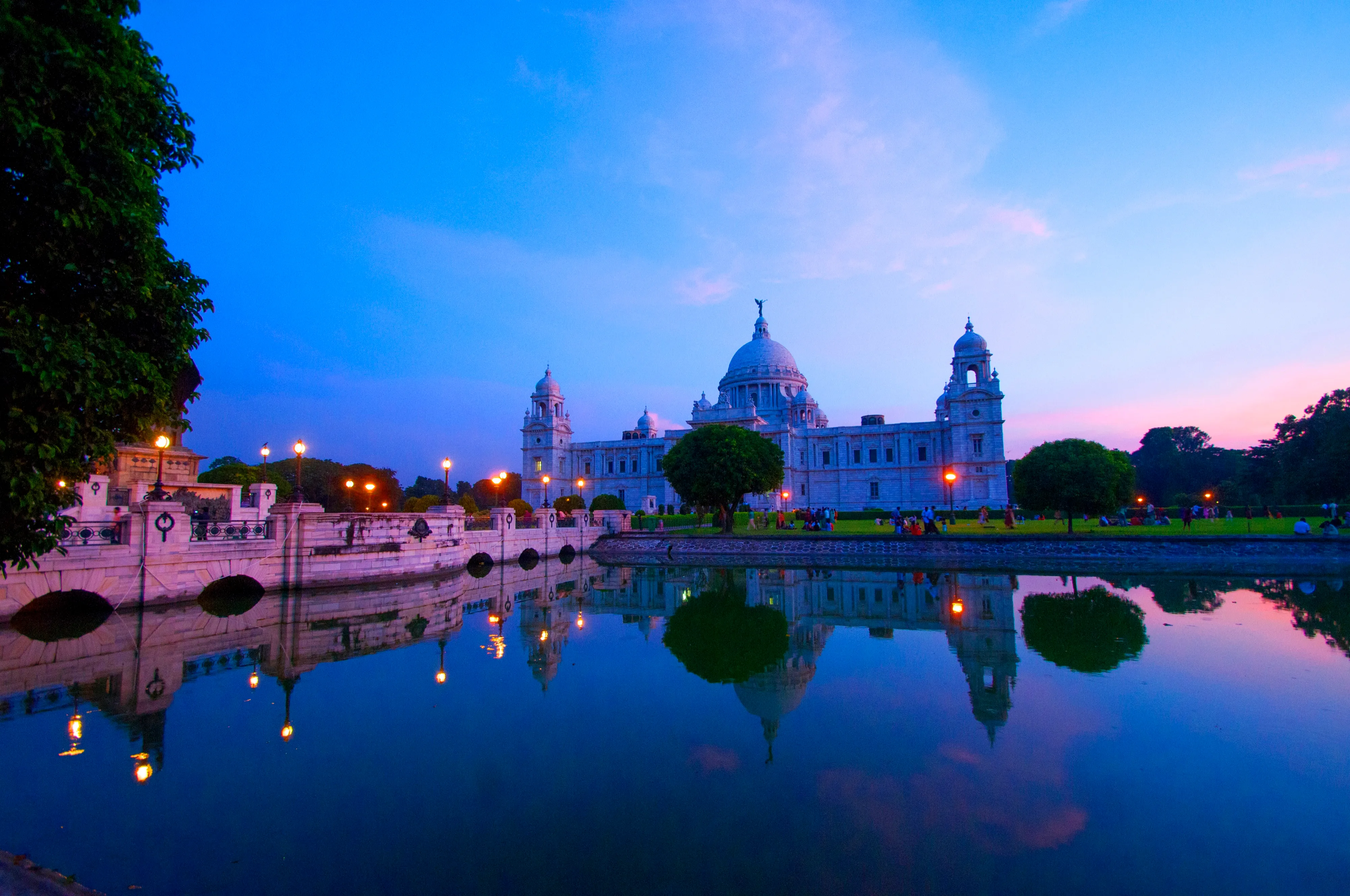
Kolkata’s colonial inheritance is impossible to ignore, and impossible not to be moved by. The Victoria Memorial, completed in 1921 as a monument to the Queen-Empress, is the grandest building of the British Raj: a gleaming white marble confection set in formal gardens, containing one of the finest collections of colonial-era paintings, prints, and artefacts in the world. The Howrah Bridge, an 86,000-tonne cantilever spanning the Hooghly River, has been the defining image of the city since it opened in 1943, carrying an estimated 100,000 vehicles and countless pedestrians every day.
But Kolkata’s identity has always been shaped by its people as much as its buildings. The city produced Rabindranath Tagore, the first non-European Nobel laureate in Literature; the filmmaker Satyajit Ray; and the economist Amartya Sen. Its coffee houses have been the gathering places of writers, philosophers, and revolutionaries since the 1940s, and the conversations there have not noticeably diminished.
Arts, Festivals, and the Life of the Street
No city in India celebrates as many festivals as Kolkata, and none does so with quite the same theatrical intensity. Durga Puja, held over five days in October, transforms the city into an open-air gallery: thousands of elaborately constructed pandals (temporary pavilions) are raised across every neighbourhood, each housing a sculpted image of the goddess Durga and competing for artistic attention. The event is less a religious observance than a city-wide act of creative expression, and it draws visitors from across India and abroad.
The street food of Kolkata is an institution. Kathi rolls, misti doi (sweet yoghurt), phuchka (the Bengali version of pani puri), and the fish curries of the Ganges delta define a culinary tradition that is quite distinct from the rest of North Indian cooking. The New Market district and the lanes around College Street are among the finest places in India to eat inexpensively and very well.
Gateway to the Eastern Himalayas
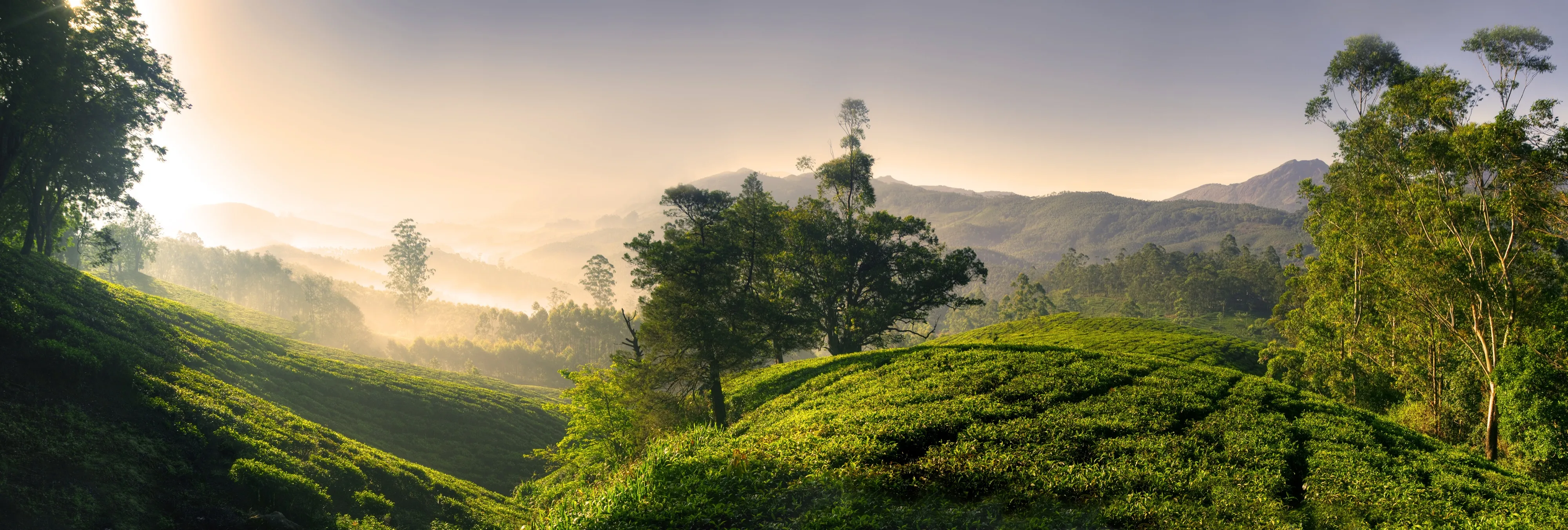
Kolkata’s greatest asset for the travelling visitor is its position as the natural departure point for the eastern Himalayas. A short flight to Bagdogra opens up a world that most India travellers never reach: the misty hill station of Kurseong in the Darjeeling district, where the tea gardens of the sub-Himalayan foothills cascade down the hillsides and the summit of Kanchenjunga, the world’s third-highest mountain, dominates the northern horizon.
The Darjeeling Himalayan Railway, a UNESCO World Heritage line, has run steam trains through these hills since 1881. The ride to Ghoom, through tunnels and over viaducts, is among the most atmospheric journeys in India. Beyond Darjeeling, the mountain road climbs into Sikkim, a former independent kingdom that only joined India in 1975, where Tibetan Buddhist monasteries, stupas, and the Namgyal Institute of Tibetology preserve a culture quite different from anything on the plains.
Planning Your Visit
The cool, dry window from October to February is the comfortable season, with the rest in the panel above. The one date worth building a trip around is Durga Puja in October, when the whole city turns itself into an open-air gallery; if you can come for it, do, but book accommodation far ahead, as Kolkata fills entirely.
Kolkata’s Netaji Subhas Chandra Bose International Airport receives direct flights from most major Indian cities and several international hubs.
Know before you go
- Altitude
- Near sea level, Ganges delta
- Climate
- Tropical, hot and humid
- Best months
- October to February
- Monsoon
- June to September
- Known for
- Colonial grandeur, literary culture, street food, Durga Puja
Let's plan your journey
Tell us what inspires you, and together we'll explore a journey that's just right for you.
No commitment required. We'll get back to you within 24 hours.