Curated Travel: What It Means, and How It Works.
Curated travel sits right between the packaged tour, and the trip you put together yourself. Someone who knows the people on the ground has already chosen the operators, the guides, and has designed the trip, so that what reaches you is a journey worth taking and not a list of options to sift through.

With curated travel, most of the value is in the judgement, not the logistics. Anyone can book a hotel and arrange a car. The harder part, and the part that really decides whether a trip is any good, is knowing which guides will suit you, how many days a city is worth, and which experiences earn the time they take. Just as important to know, are the places and experiences worth giving a miss. Those are answers you learn by testing them, not by reading them off a page, and that is the work we do before you ever arrive.
For a fuller explanation of what the term "Curated Travel" or "Curated Tour" means, and how to tell a genuine curator from someone borrowing the vocabulary, read What a Curated Tour Actually Is, and Why It Matters.
A Few Things We Believe About Travel
Depth over Distance
So much travel is built around covering ground, as if a trip were worth more for every extra place on the list. We have found the opposite. Three or four unhurried days in one city let it become somewhere you actually know: the feel of its mornings, the neighbourhood past the obvious sights, a second look at the museum that drew you back. Rush it and most of your energy goes on transfers and arrivals, and you come home with photographs of places you never quite stepped into. Slowing down is not a luxury. For us it is where travel starts to mean something, a thought we follow further in The Case for Slow Travel.
The Guide Matters More Than the Itinerary
Two people can walk the same route, see the same sights, and come home with completely different trips. Nine times out of ten, the difference is the guide. A guide handed out by rota will recite the facts well enough. A guide chosen for you is something else: someone whose pace, manner, and knowledge suit yours, who knows when to say more and when to let you take it in quietly, and who turns a day of sightseeing into a day in good company. That match is where much of the worth of a curated trip quietly sits, and it is what we talk about in Why a Private Guide Is Worth It.
Ask the Right Questions Before You Book
You can often tell a good tour from a disappointing one before you pay, as long as you know what to ask. Who exactly will guide you, and is it the same person throughout or a new face each day? What is really included, and what quietly is not? How big is the group, and who sets the pace? The answers matter, and so does how they are given. An operator who replies plainly, without sidestepping or boilerplate, is telling you a lot about how the trip will run. We have set out the five questions worth asking, and what their answers reveal, in The Questions Every Experienced Traveller Should Ask.
Tell Us How You Travel, Not Where You Want to Go
The most useful thing you can tell us is a picture of yourself, not a list of sights. The destinations are the easy part. What really shapes a trip is everything around them. How quickly do you like to move, and how much open time do you want left in a day? What did you love, and what let you down, on the best trip you remember and the one you would rather forget? And what are you quietly hoping this one will be? Tell us that, and the itinerary almost writes itself, because it is built around you rather than around a map. We say more about what makes a brief useful in How to Brief a Travel Curator.
Where We Work
We curate travel in four countries, each one through local operators we have personally vetted, rather than names pulled from a directory. We keep the list short on purpose. Knowing a few places well, is worth far more to you than spreading ourselves thinly across many.
Colombia
Colombia changes character not only from city to city but with every few thousand feet of altitude, from Bogotá in its cool Andean light at 8,600 feet down to the heat and colour of the Caribbean coast. Medellín, Cartagena, and the coffee region each keep their own pace and temperament, which is precisely why the order and rhythm of a Colombian trip reward thought rather than a standard loop. A useful starting point for newcomers is Best Tours in Colombia for First-Time Visitors.
Explore ColombiaNepal
Nepal is really two countries asking for two different kinds of traveller: the cultural valley around Kathmandu, dense with temples and craft and daily ritual, and the high Himalaya, where the terms are physical and the margins are real. The guide question matters more here than anywhere else we work, because a brilliant cultural interpreter and a seasoned mountain guide are rarely the same person, and pretending otherwise is where trips go wrong. We explain why in The Two Nepals.
Explore NepalIndia
India is less a single destination than a continent's worth of them, and its scale is the first thing a sensible plan has to respect. The Golden Triangle of Delhi, Agra, and Jaipur, the slow backwaters and green coast of Kerala, and the quieter cultural threads of the east are not interchangeable stops but distinct trips, each suited to a different kind of traveller. The work is in choosing the thread that fits you rather than attempting the whole cloth.
Explore IndiaPeru
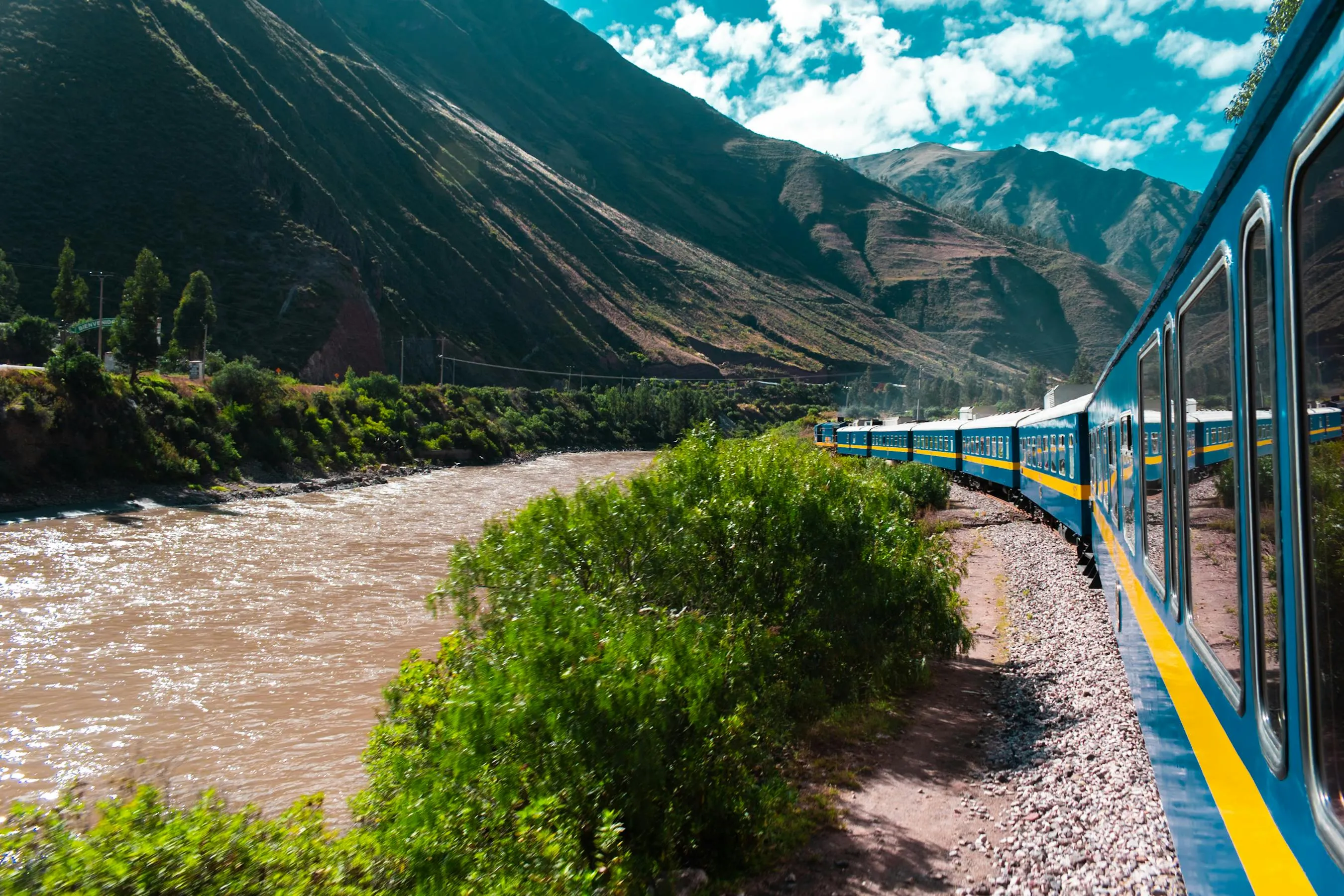
Machu Picchu is best understood as a culmination rather than a destination in itself, the point a well-built Peruvian trip rises toward through the Sacred Valley and Cusco rather than lands on cold. The sequencing of altitude is the question that decides how the trip feels, particularly for older travellers, who do far better acclimatising gradually than arriving high on day one.
Explore PeruWhat is Curated Travel?
Curated Travel is a specialised service for the discerning traveller. A travel curator is one who selects specific travel experiences from a large selection of options, to present to you, the traveller, based on your specific personal criteria. Like with most bespoke services, the level of customisation, and tailor-made opportunities goes up as the relationship with the travel curator deepens, and grows over multiple trips. Feedback is vital. And this includes feedback about what went well, just as much as it includes what went wrong.
So, what is curated travel? It is a refined travel experience for the discerning traveller. For the one who is keen to take in a country slowly - deeply.
We also provide a slightly more self-serve version of this, where we select a few tours across multiple nations that we think are the cream of the crop. You can find these at our Tour Selections page. And if you want to know more about our philosophy behind Curated Tours, please read this.
Start a Conversation
Tell us where you would like to go and roughly when, and a little about how you like to travel. From there it is a conversation, and the itinerary takes shape as we go, until it fits you.
Colombia: +57 320 492 5300 · United States: +1 770 783 6966
Get in TouchIf you want to know what makes a brief useful before you write, this article sets it out.