
How to Brief a Travel Curator: What to Tell Us Before We Can Design Your Trip
Start with What You Know
You can begin with a tour you like, a destination you are curious about, or an itinerary you have already researched. A short enquiry is enough to start a conversation. Mano can help you choose an existing tour, explore changes, or develop a more individual trip.
This guide is for travellers who want a trip designed around their interests. The details below help shape that work, but you do not need every answer before getting in touch.
Alongside the practical requirements, tell us what you enjoy and how you like to travel. That gives us something useful to build on.
How You Like to Travel
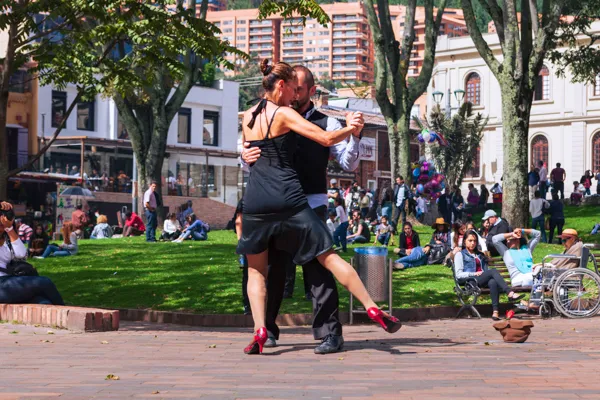 Usaquén, Bogotá: the kind of afternoon that shapes an itinerary more than a list of sights.
Your destination gives us a starting point; how you like to spend your days helps shape the itinerary. It helps to be concrete about pace. How many hours can you spend in one place before you feel ready to move on? Do you prefer mornings with activities arranged, or time to decide over breakfast? Would you enjoy a long lunch, or rather keep moving and eat lightly?
The relationship with the guide matters just as much. Some travellers want to be told the story of a place all day. Others want silence to be available, and one well-chosen question answered well. Some want a guide present every day; others want one only at specific sites, and the freedom to wander alone the rest of the time.
On a private trip, these preferences help us discuss the guiding that would suit you. A particular language or subject specialism needs to be checked for availability and any additional cost. On a shared tour, start with the guiding described in the itinerary. There is more on private arrangements in why a private guide is worth it.
The Disappointed Trip Is More Useful Than the Successful One
Most briefing guides ask about the trips you have loved. That is useful, but it is incomplete. The more diagnostic information is the trip that fell short, and specifically why it did. Was it too rushed? Too scripted? Was the guide technically competent but somehow without any human connection? Were the hotels perfectly adequate and yet all the same as one another? Was there simply no room to breathe?
A specific memory of what went wrong eliminates a whole class of mistakes before the design has even begun. It tells a curator not just what to avoid but what you are sensitive to, and those sensitivities are rarely visible on a wish list.
If you have not been to a destination before and have no disappointing trip to report, the useful question is a different one: what do you fear might go wrong? That is not the same as a list of deal-breakers, but it surfaces the same underlying information. A fear of getting the guide wrong, a fear of feeling rushed, a fear of being shuttled through places that feel too tourist-worn; each of these maps directly onto a decision in the design, and each is worth saying out loud.
Who Is Actually Making the Decisions
If two people are travelling together and want different things, the brief needs to say so honestly. A curator can design for two people with divergent interests if the tension is known. What cannot be designed for is a unified front that turns out, on arrival, to have been a polite compromise neither party fully wanted. The itinerary can hold two sets of interests when they are visible. It cannot hold them when they are hidden behind “we’re both flexible”.
The same is true of travel across generations. What the grandchildren can manage and what the grandparents can manage is structural information, not a footnote to be dealt with later. Mobility, stamina, and the gap between what each person considers a full day all determine the architecture of the itinerary rather than its trimmings. Naming them at the outset saves a revision cycle and produces a better trip. For the traveller planning around their own pace rather than a grandchild’s, we have made that case in full.
The Details That Feel Too Small to Mention
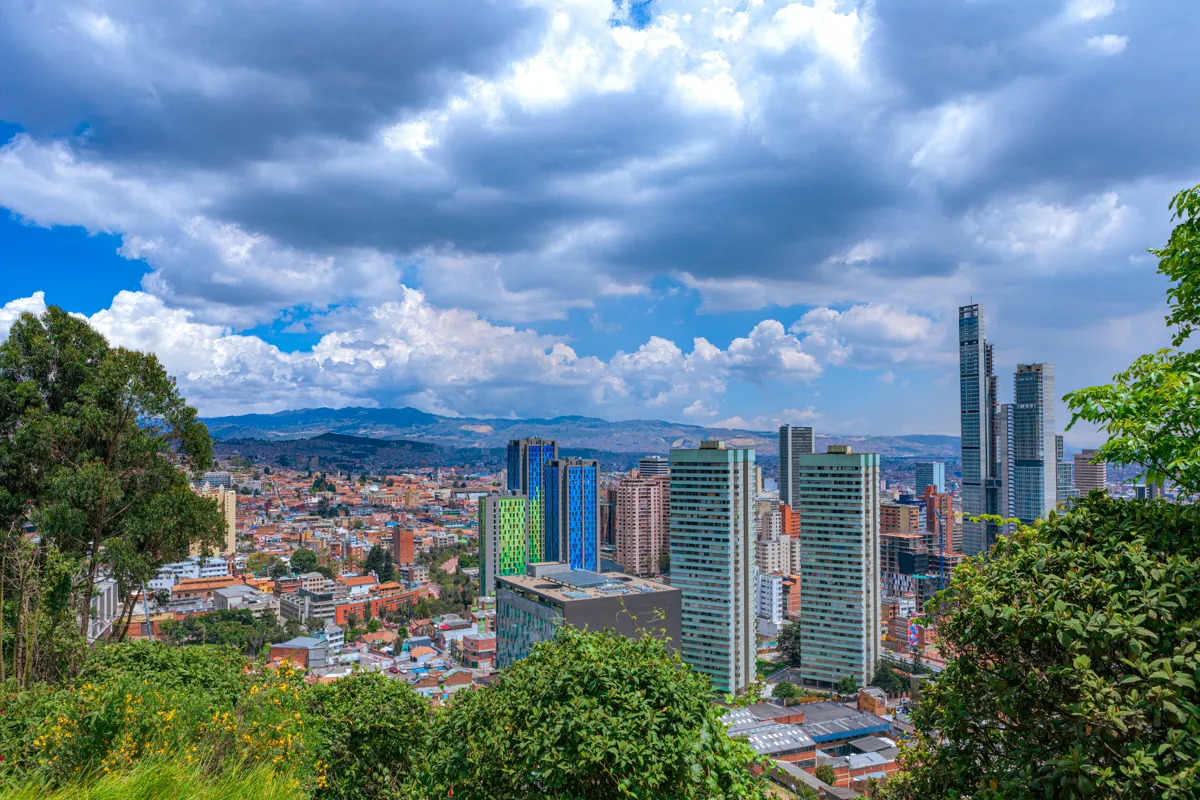 Bogotá from Monserrate: the city sits at 8,530 feet, and altitude is structural information, not a footnote.
The details travellers most often leave out are the ones that seem too minor to raise, and they are frequently the ones that change the design most.
Mobility is the first of these. Stairs, cobblestones, altitude, and the distance walked on uneven ground all shape what is possible. Bogotá sits at 8,530 feet. Kathmandu’s historic sites involve continuous ascent on stone. None of this is prohibitive for most people, but it requires choices at the planning stage that cannot be easily reversed once the itinerary is built. A curator who does not know about a knee replacement or a sensitivity to altitude will build in two hours of cobblestone walking on a hot afternoon that should have been avoided.
Sensitivity to crowds, to noise, or to heat is the second, and it determines which hours of the day are viable and which sites are worth including at all. Arriving at Pashupatinath at half past seven in the morning is a wholly different experience from arriving at eleven. That decision is in no guidebook. It comes from knowing the traveller.
Then there is dietary specificity, which goes well beyond allergies and vegetarianism. It is worth saying whether you want to eat adventurously or conservatively, whether street food is a pleasure or makes you uncomfortable, and whether a long tasting menu is a treat or a chore. This shapes which restaurants a guide chooses, and a good guide has firm opinions here if given enough to work with.
Finally there is the non-negotiable you assume everyone shares. “I never stay anywhere with noise from the corridor.” “We always need a room with a bath, not just a shower.” “I need reliable Wi-Fi because I check in with work every morning.” These sound trivial. They change the hotel selection entirely. A curator who does not know them will produce a recommended itinerary that is excellent in every other respect and wrong on the one thing that will surface every single morning of the trip.
The Approximate Shape of Your Budget
You do not need to name a precise figure. A range is enough, and it changes everything it touches. The range determines which operators are on the table, which tier of accommodation is realistic, whether private transfers make sense or shared transport is perfectly fine, and which experiences can be included without the recommended itinerary coming back over budget.
If you are unsure of your budget, or would prefer not to include it in the contact form, Mano can discuss it with you by email. A broad range and an indication of what matters most will help us explain the options and the choices that affect the total.
Sharing Your Research and Ideas
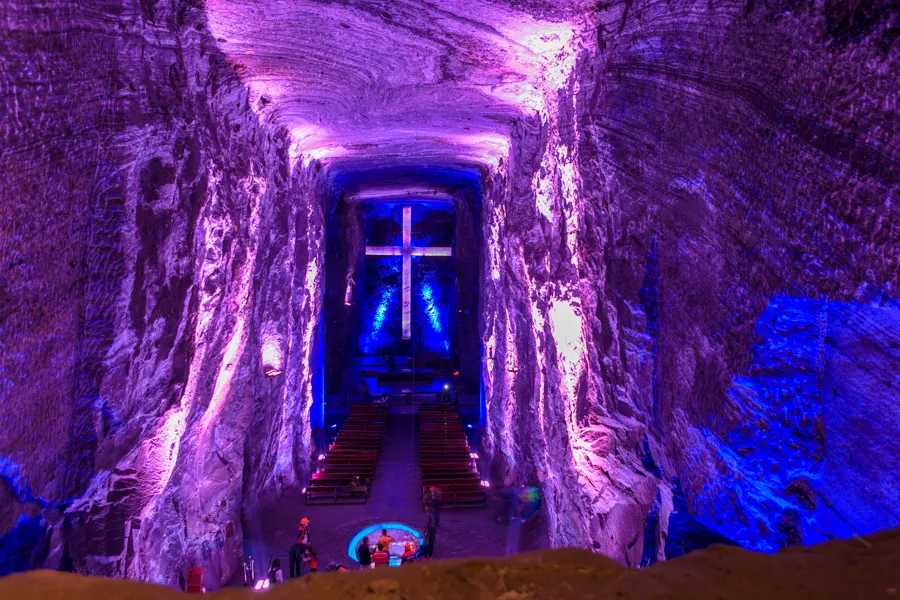 The Salt Cathedral at Zipaquirá: knowing why a place interests you changes how long you spend in it.
If you have already researched a route or collected ideas, share them along with what appeals to you and where you are flexible.
An itinerary you have prepared is a useful starting point. Tell us which dates or bookings are fixed and which parts you would like help with. We can then discuss whether the pacing and travel between places work, and explore changes where needed.
A list of places you want to see is useful too, especially when you explain why each one interests you. What appeals to you about the Salt Cathedral: the engineering, the religious history, or the setting? That helps us suggest how much time to allow and what else might complement the visit.
If you would like us to suggest something unexpected, a few clues help: an interest you want to explore, a place you enjoyed, or an experience you would rather avoid. You can share those in conversation.
The Brief Is a Starting Point, Not a Specification
The first Recommended Itinerary gives you something concrete to consider. You may find that the pace, accommodation, or balance of activities needs adjusting. Raise those points while reviewing it, and we can check what changes are possible. If the first recommendation already suits you, there is no need for revisions.
If this sounds like the kind of conversation worth having, the next step is a simple one. Use the enquiry form or write to us directly. You do not need to have all of the above prepared before you reach out. You need only enough to start: a destination or a region, a rough sense of when, and an honest answer to one question. What kind of trip has worked for you in the past, and what has not? What happens after you send it is worth knowing too.
The rest takes shape in conversation. That is how it should work. If the curator model itself is still unfamiliar, the curated travel guide is the place to start, and what a curated tour actually is goes further on the thinking behind it.

Written by
Mano Chandra Dhas ›Founder of Coromandel Tours. In travel since 1975, from Singapore Airlines to Emirates and Carlson Wagonlit, he now curates private journeys through Colombia, Peru, India, and Nepal from his home in Bogotá. Many of the photographs on this site are his.