Nepal Tours: Kathmandu Valley Heritage & Trekking
Mountains, valleys, and the cultural heart of the Himalayas
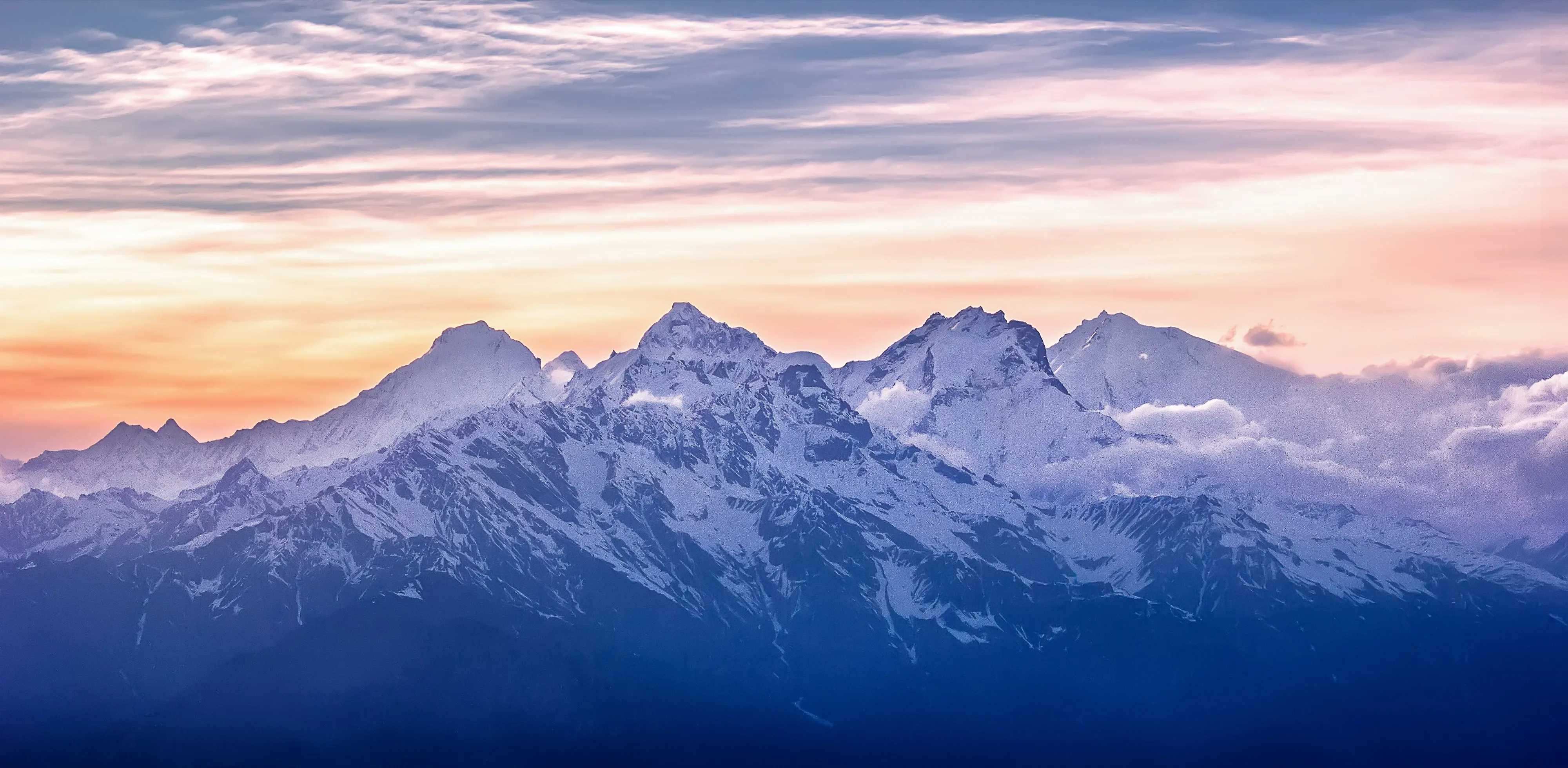
Nepal rewards patience. The country rises from subtropical plains to the highest mountains on earth within a few hundred kilometres, and most visitors see only the beginning of that range. Landlocked between China to the north and India to the south, it holds eight of the fourteen tallest peaks on earth, Everest among them at 29,032 feet. Few countries pack so much vertical range into so little ground, and the culture climbs with the land: lowland Hindu plains, high Buddhist valleys, and dozens of ethnic groups and languages in the folds between.
The Kathmandu Valley as cultural heart
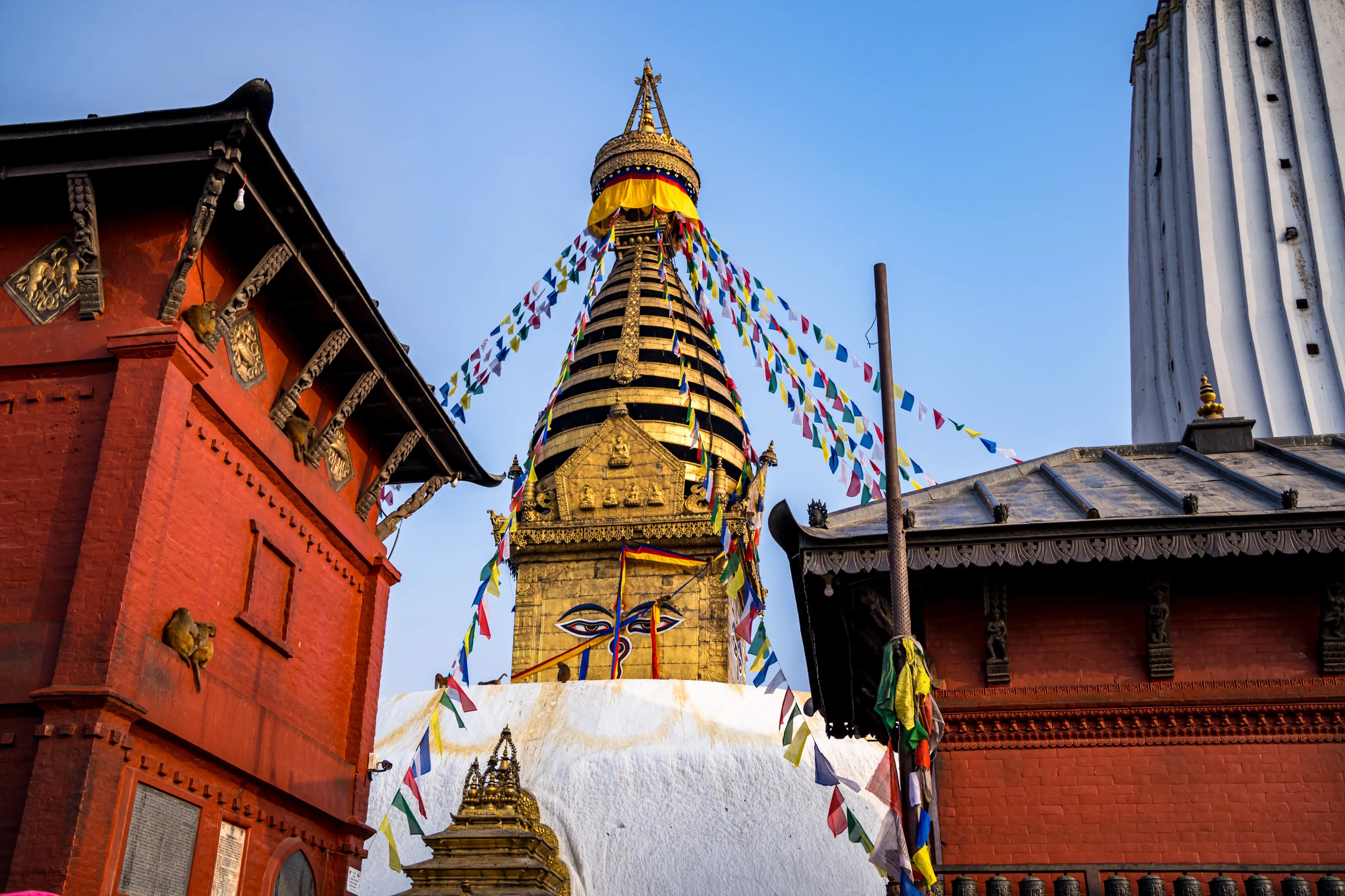
Kathmandu is the entry point and the cultural centre, three distinct cities sharing a single valley, each with a UNESCO World Heritage Site, and a density of temples, stupas, and living traditions that takes several days to begin to absorb. The valley itself holds seven monument zones recognised by UNESCO, taking in Kathmandu Durbar Square, Patan Durbar Square, Bhaktapur Durbar Square, Changu Narayan, Pashupatinath, Swayambhunath, and Boudhanath. For travellers drawn to architecture, ritual, and the daily rhythm of Hindu and Buddhist practice running side by side, the valley alone can fill ten days without repetition.
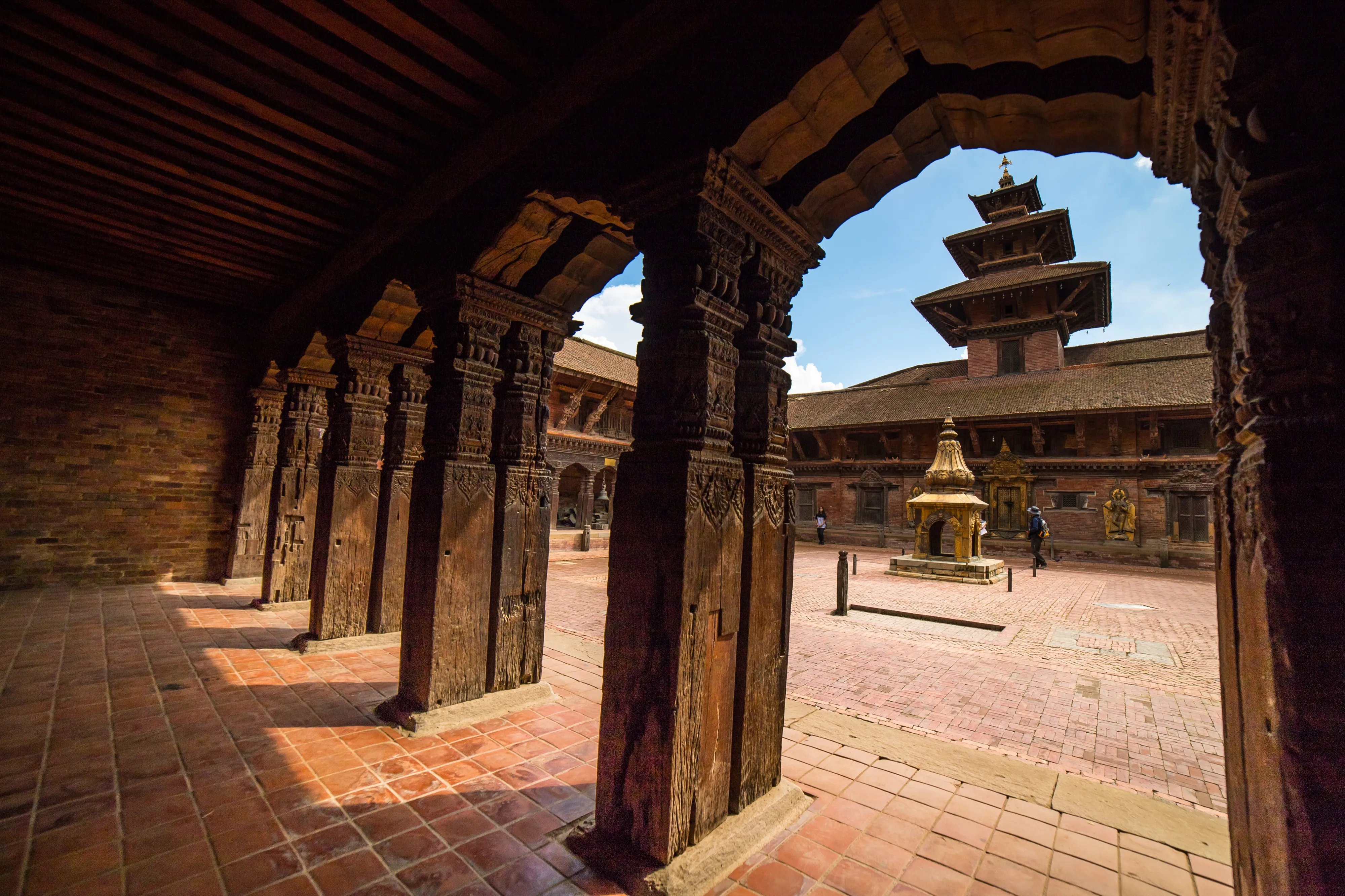 Patan’s Durbar Square, one of three in the valley, each with its own UNESCO listing.
Two kinds of journey
Nepal suits two broad types of traveller, and the tours offered here reflect both. The first is the cultural visitor, drawn to the heritage of the valley cities, the birthplace of the Buddha at Lumbini in the western lowlands, the lakeside calm of Pokhara, and the lowland jungle of Chitwan National Park with its rhinos, Bengal tigers, and crocodiles. The second is the trekker, for whom the country is one of the great walking destinations of the world: gentle valley circuits accessible to beginners, the Annapurna foothills with their rhododendron forests and Poon Hill sunrises, the high passes of the Manaslu circuit, and the long approach to Everest Base Camp through the Khumbu. Most first-time visitors file Nepal under one of these two categories and never look further; What First-Time Visitors Get Wrong About Nepal explains why that assumption rules out the exact travellers who would love the other half most. And because the two halves demand entirely different expertise, The Two Nepals, and Why You Cannot Use One Guide for Both sets out why.
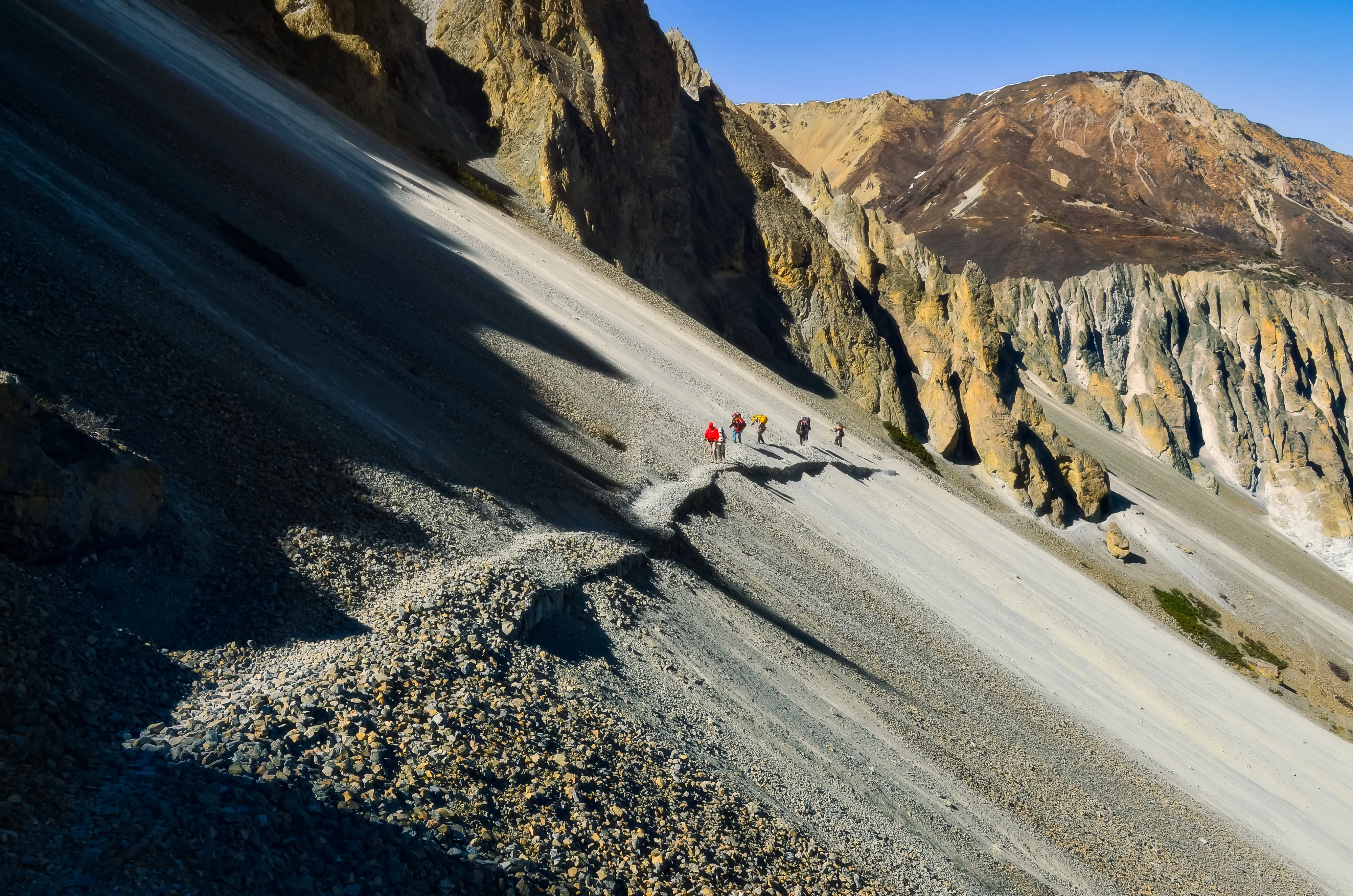 The trekking side of Nepal, from gentle valley circuits to the approach to Everest Base Camp.
When to travel
Nepal has four clear seasons, and timing matters more here than in most places. The two windows that draw trekkers are spring, from March to May, when the rhododendron forests come into flower, and autumn, from September to November, when the monsoon has washed the air clean and the peaks stand sharp against the sky. Winter is cold but clear at lower altitudes; the summer monsoon, June to August, turns the hills green and the high trails to mud.
Mano has worked with trusted partner operators across Nepal for many years, and the tours offered here are drawn from that network. Itineraries can be private or, where appropriate, run as small groups.
Before you travel: visas and entry
Most visitors can obtain a tourist visa on arrival at Kathmandu’s Tribhuvan airport and Nepal’s other international entry points, or apply online in advance to shorten the queue. Fees and conditions change, so check the Department of Immigration directly before you travel rather than relying on third-party summaries.
Frequently Asked Questions
Let's plan your journey
Tell us what inspires you, and together we'll explore a journey that's just right for you.
No commitment required. We'll get back to you within 24 hours.