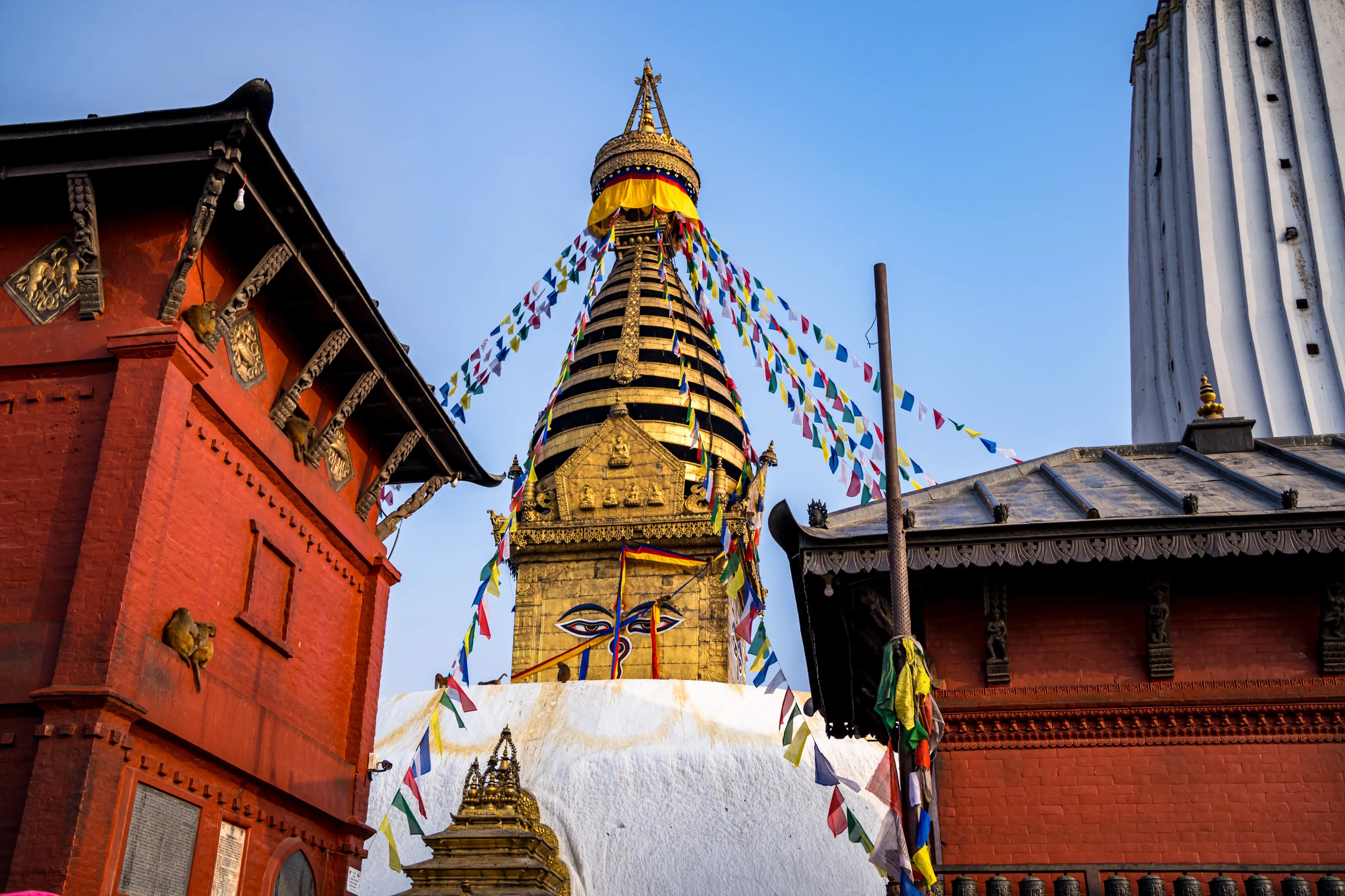
Kathmandu Tours - Valley Heritage, Durbar Squares & UNESCO Sites
Three medieval cities, one valley, and a living heritage
Tours in Kathmandu
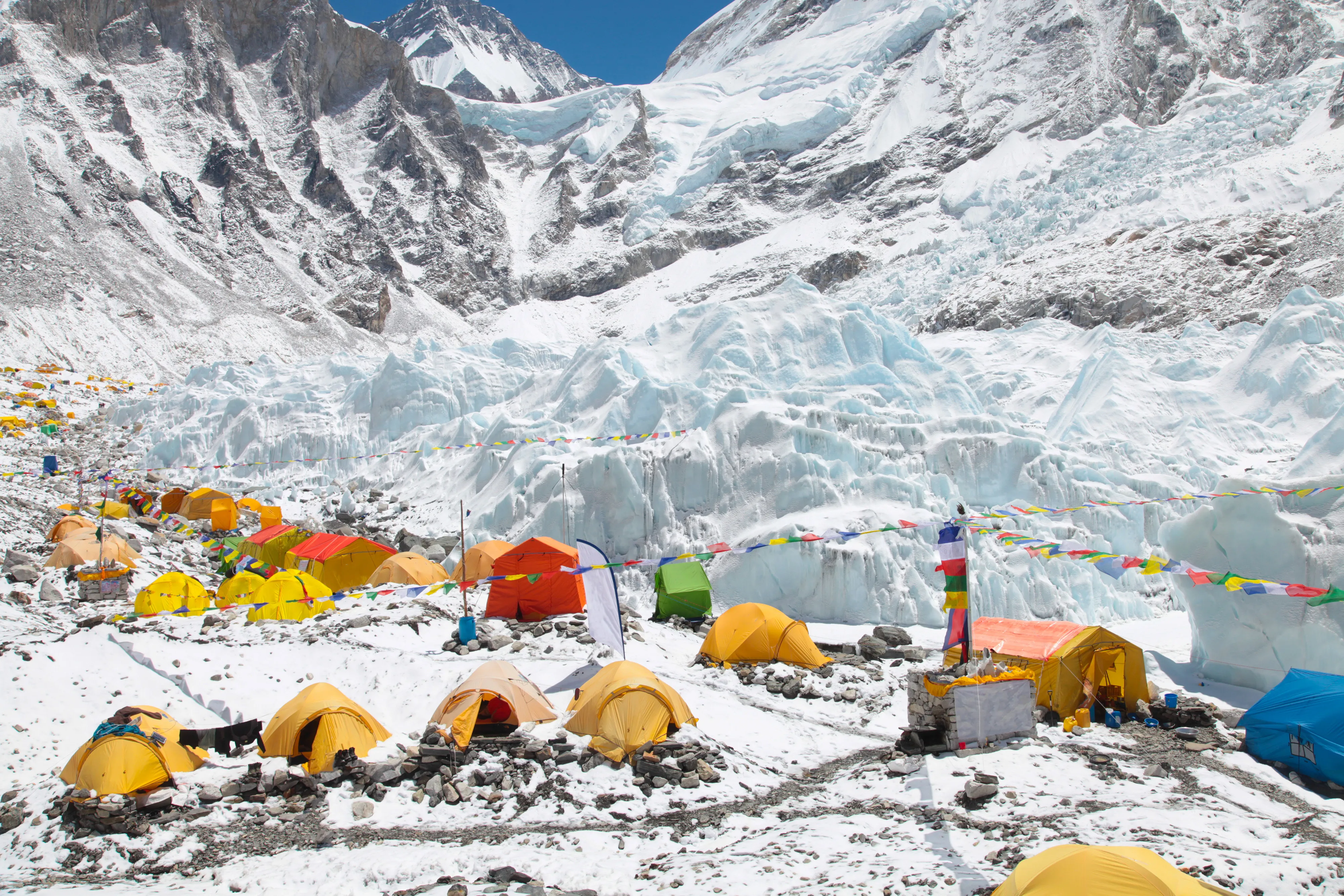 15 days
 NPKTM-EBC01
Everest Base Camp
Available on request
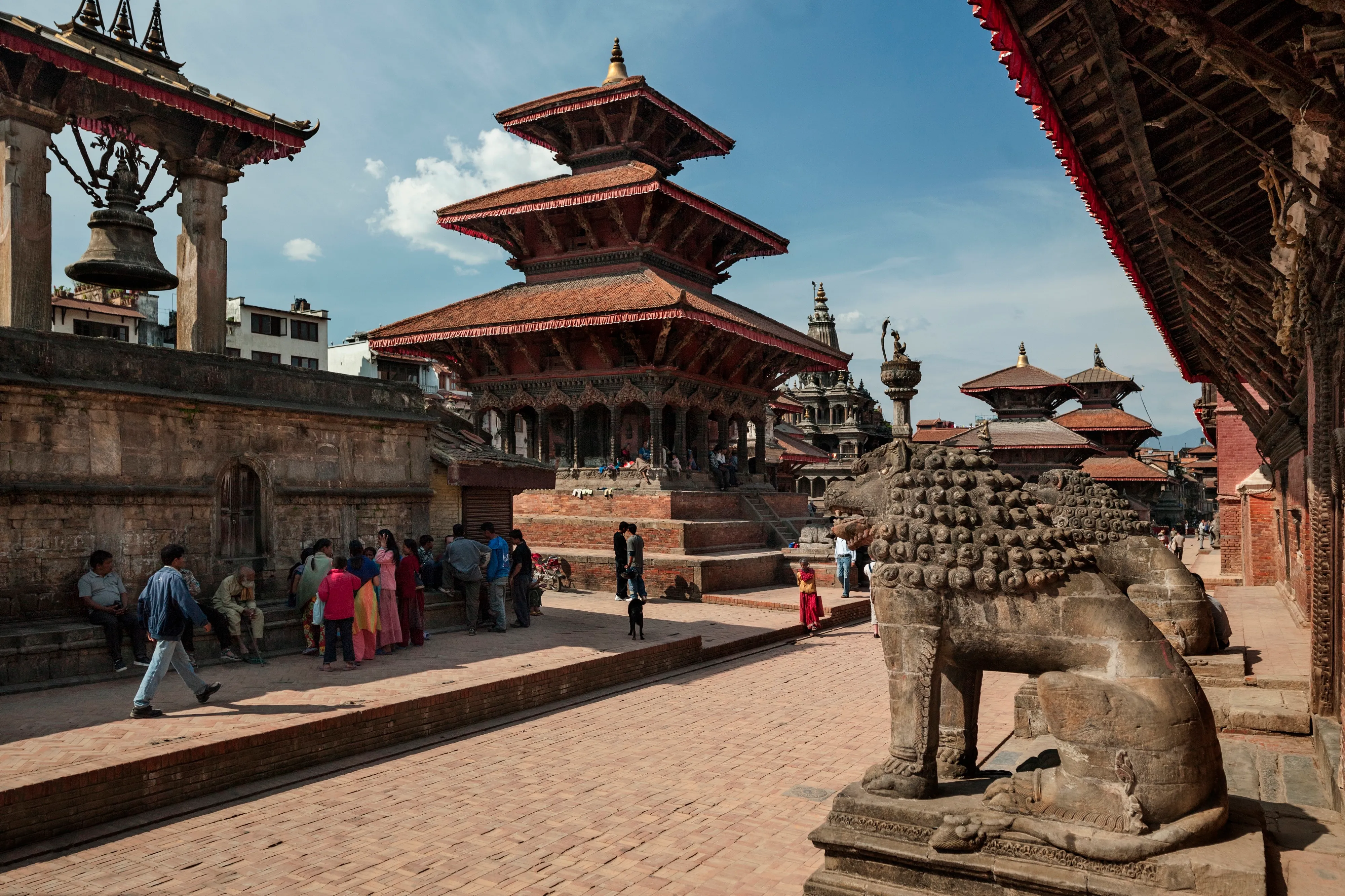 9 nights / 10 days
 NPKTM-VGG01
Valley of God and Goddess: Kathmandu Heritage
Available on request
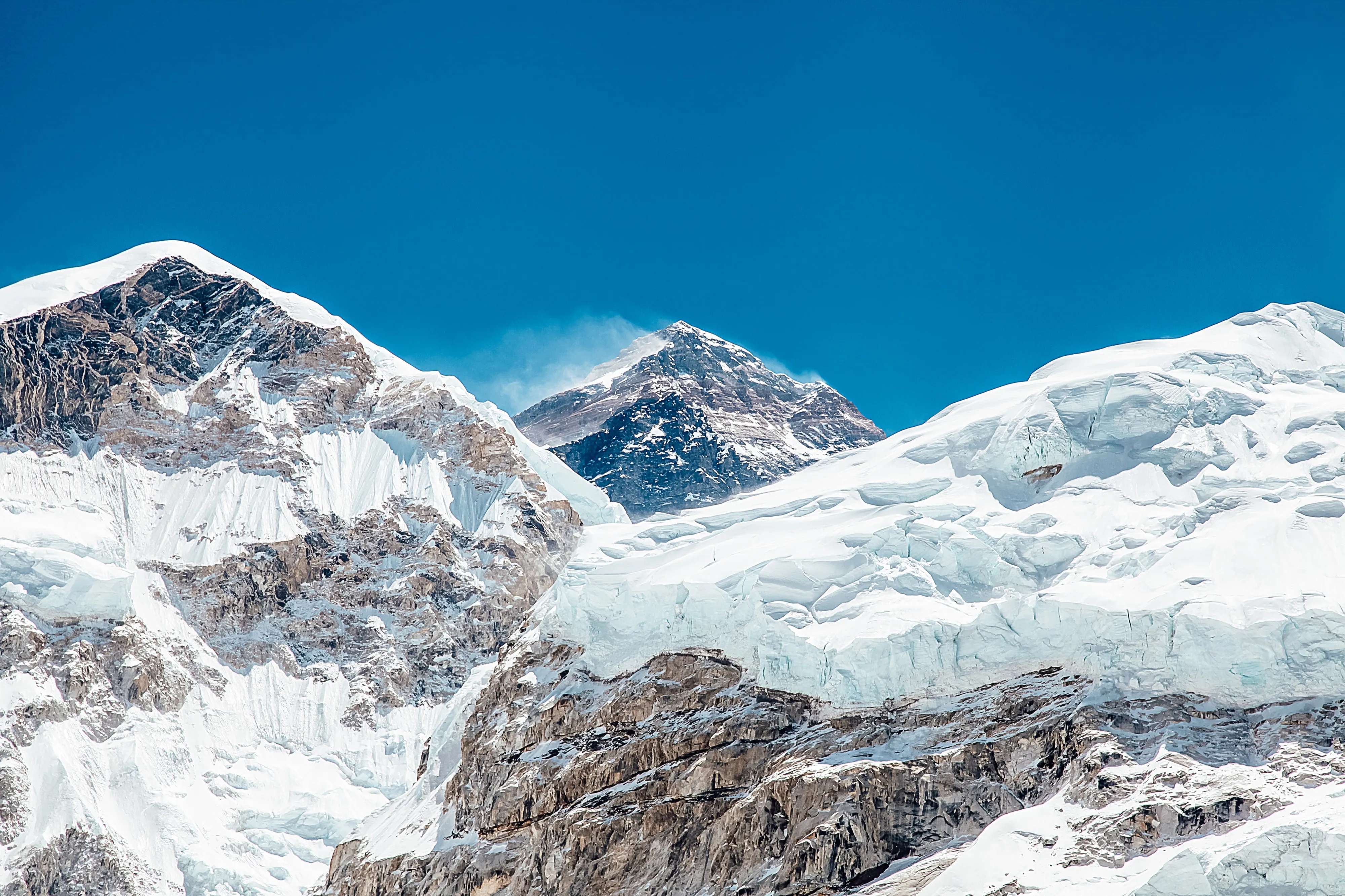 15 days
 NPKTM-KPT01
Kala Pattar Trek
Available on request
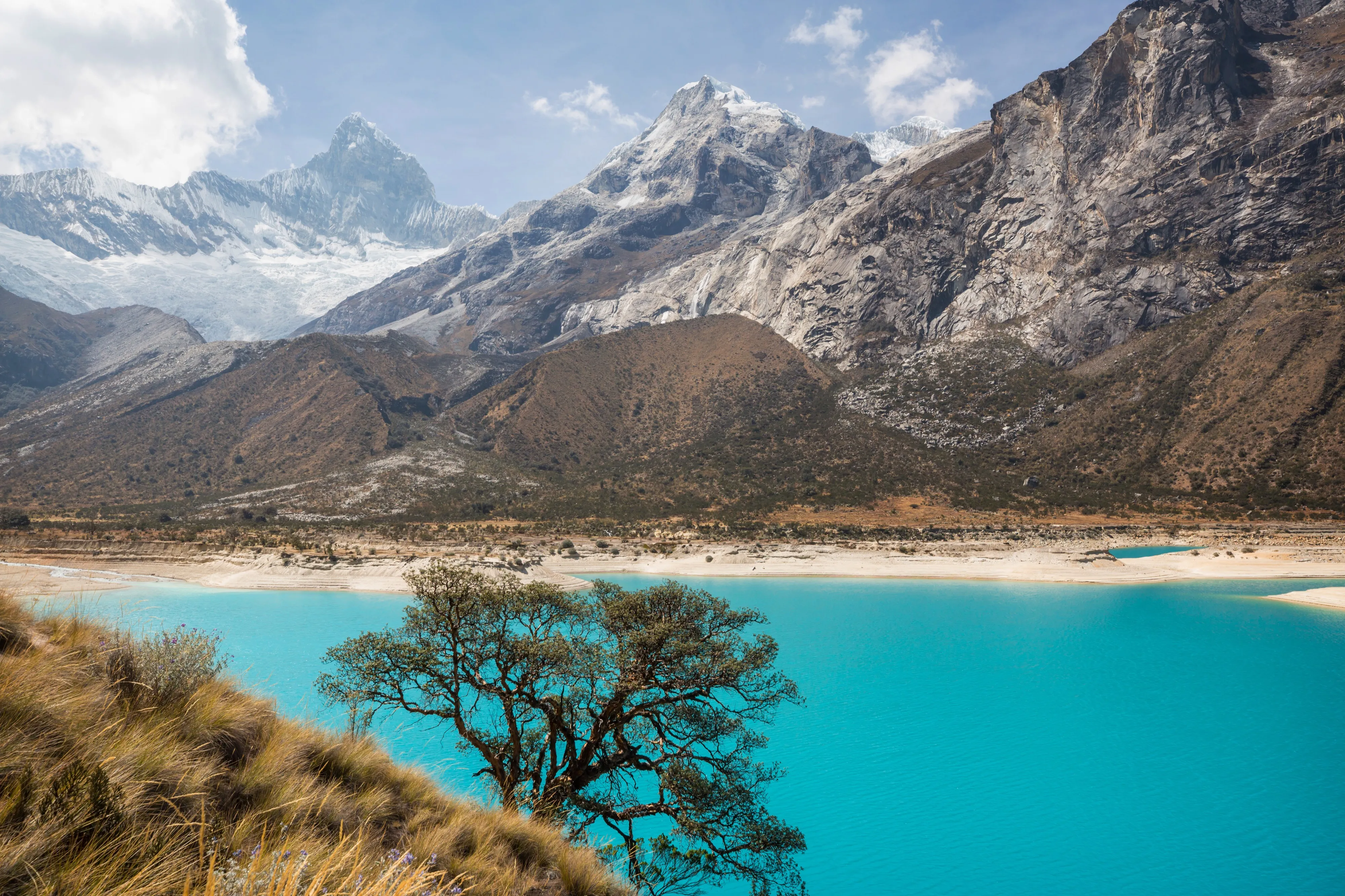 11 days
 NPKTM-KDT01
Kori Danda Trek
Available on request
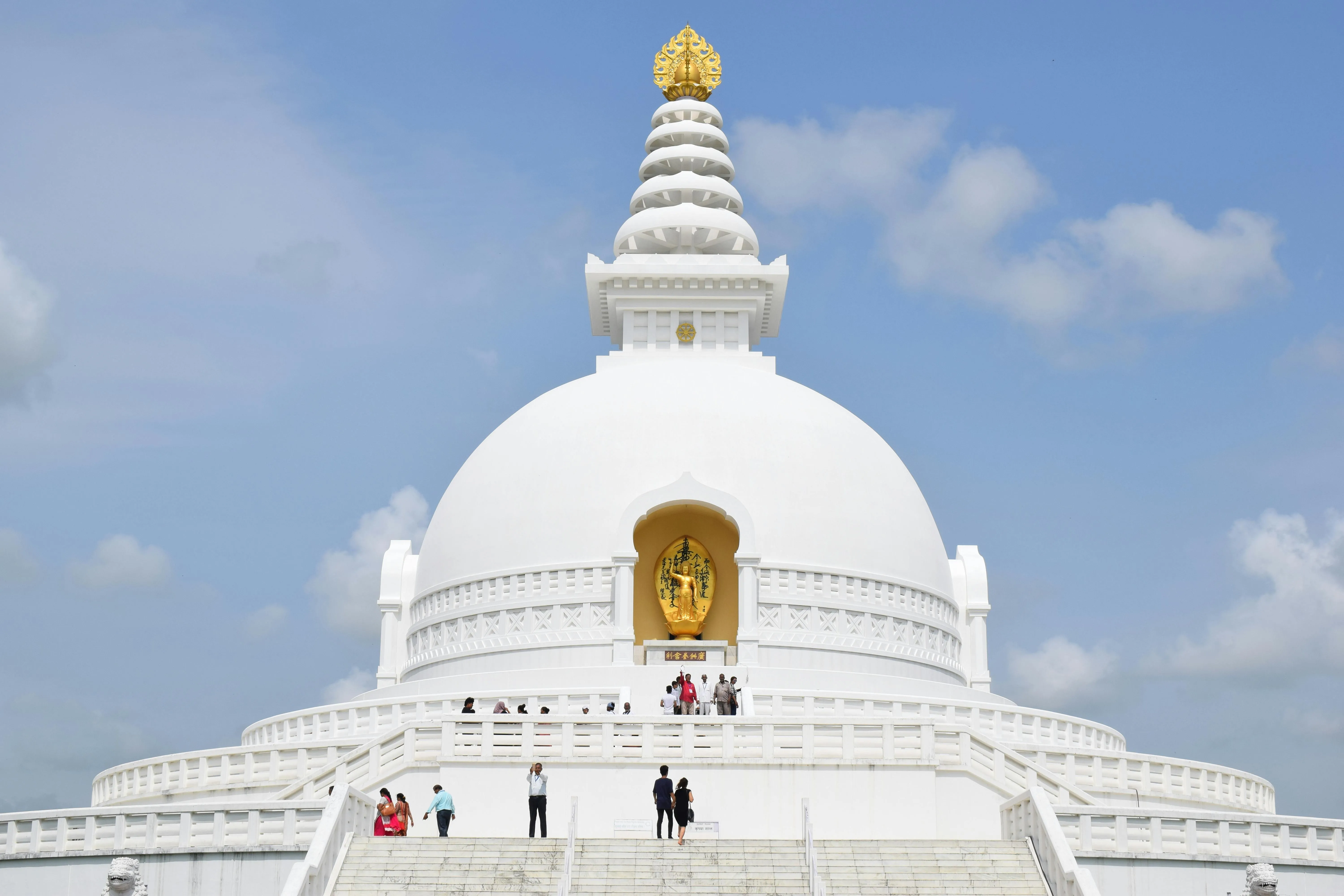 10 nights / 11 days
 NPKTM-LPC01
Lumbini, Pokhara, and Chitwan
Available on request
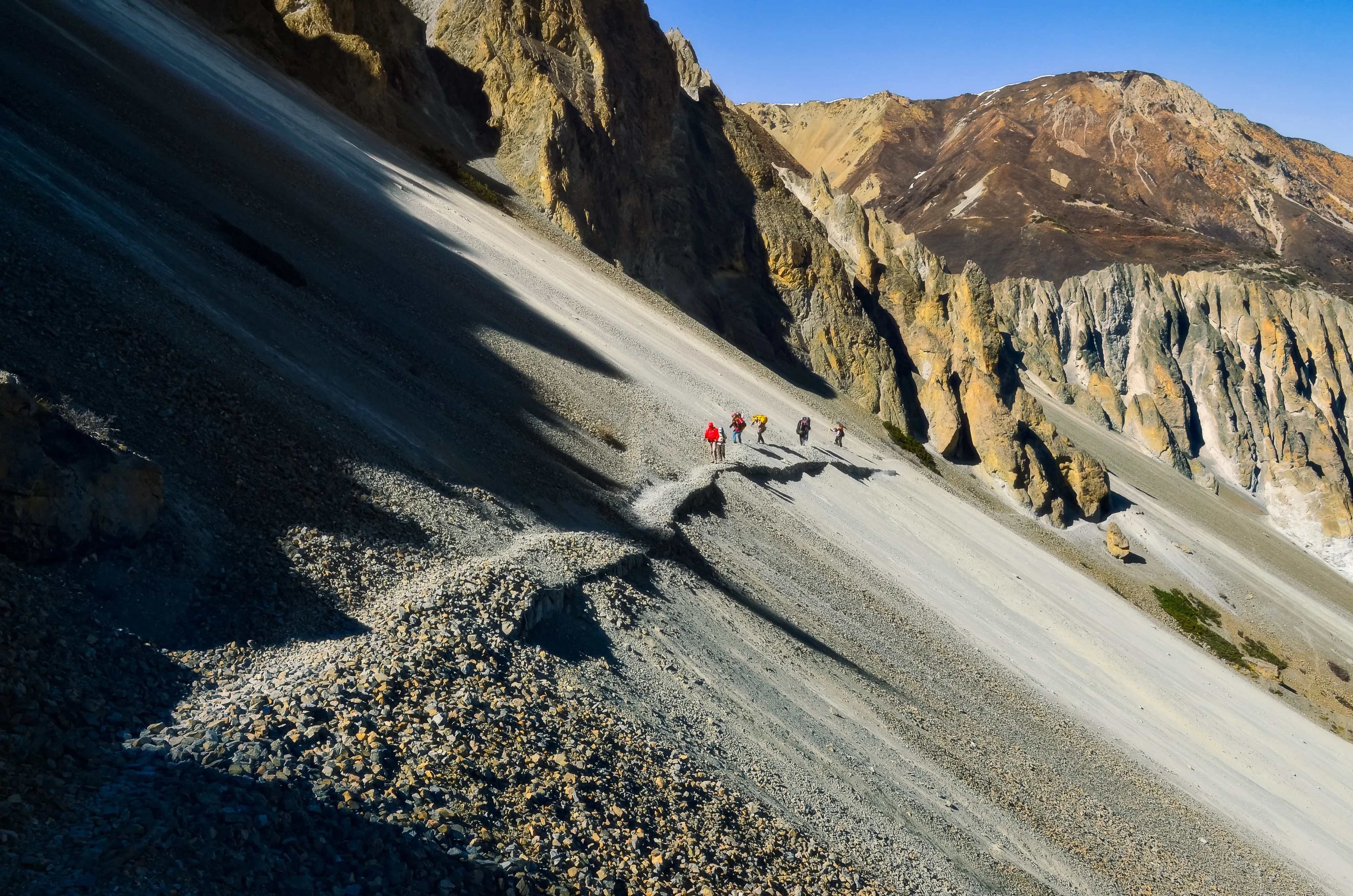 18 days
 NPKTM-MCT01
Manaslu Circuit Trek
Available on request
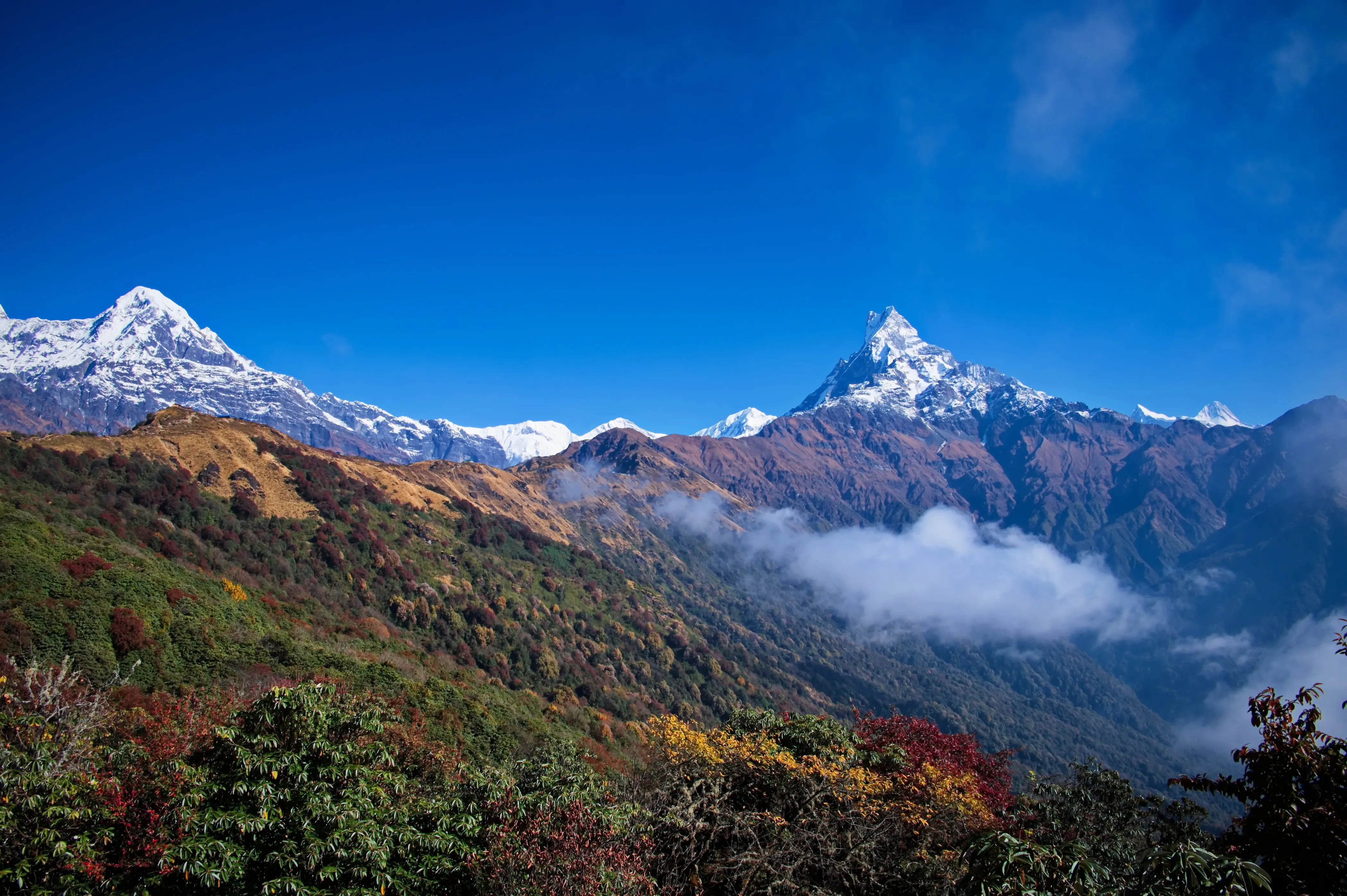 7 days
 NPKTM-MHT01
Mardi Himal Short Trek
Available on request
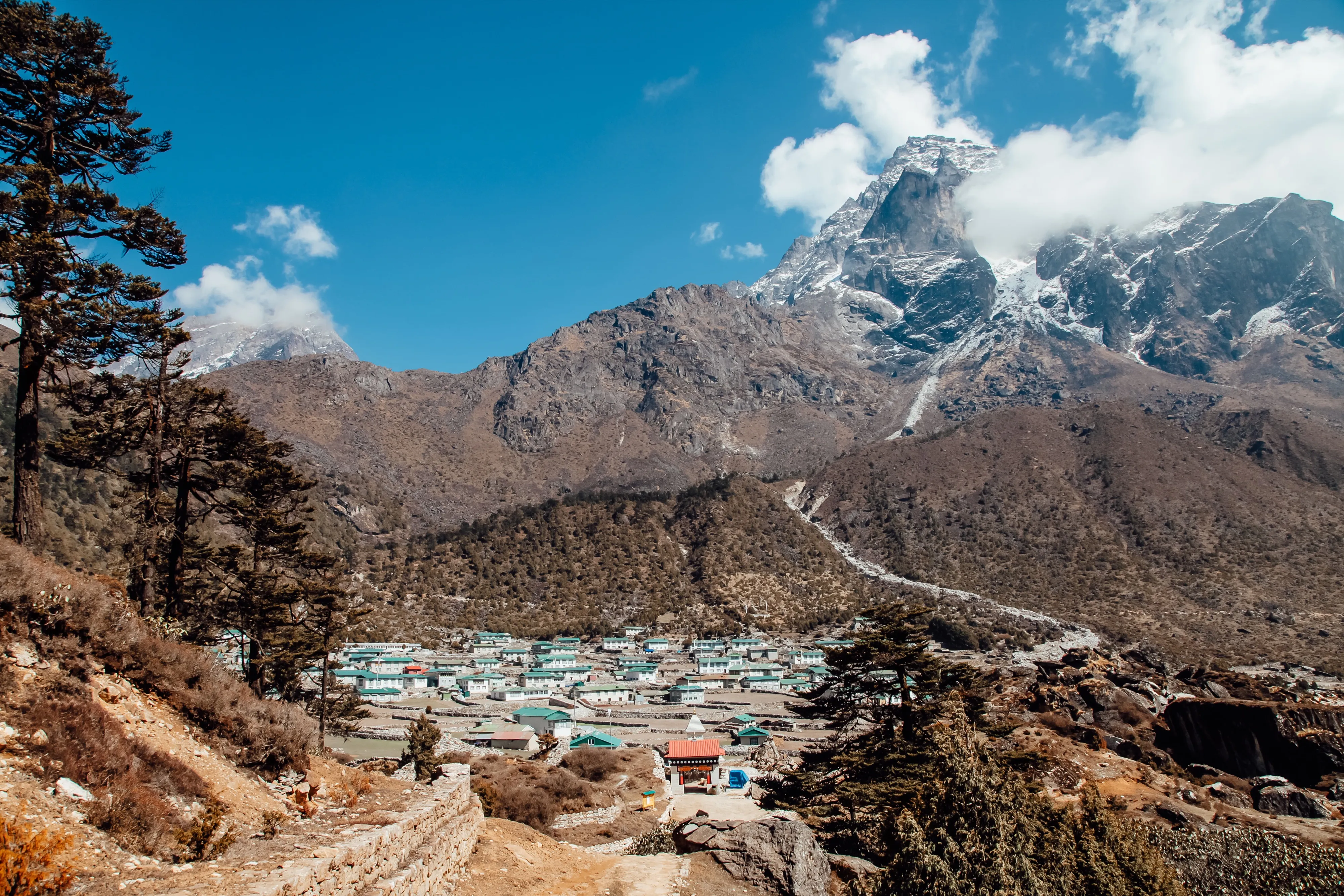 11 days
 NPKTM-PHT01
Poon Hill Trek
Available on request
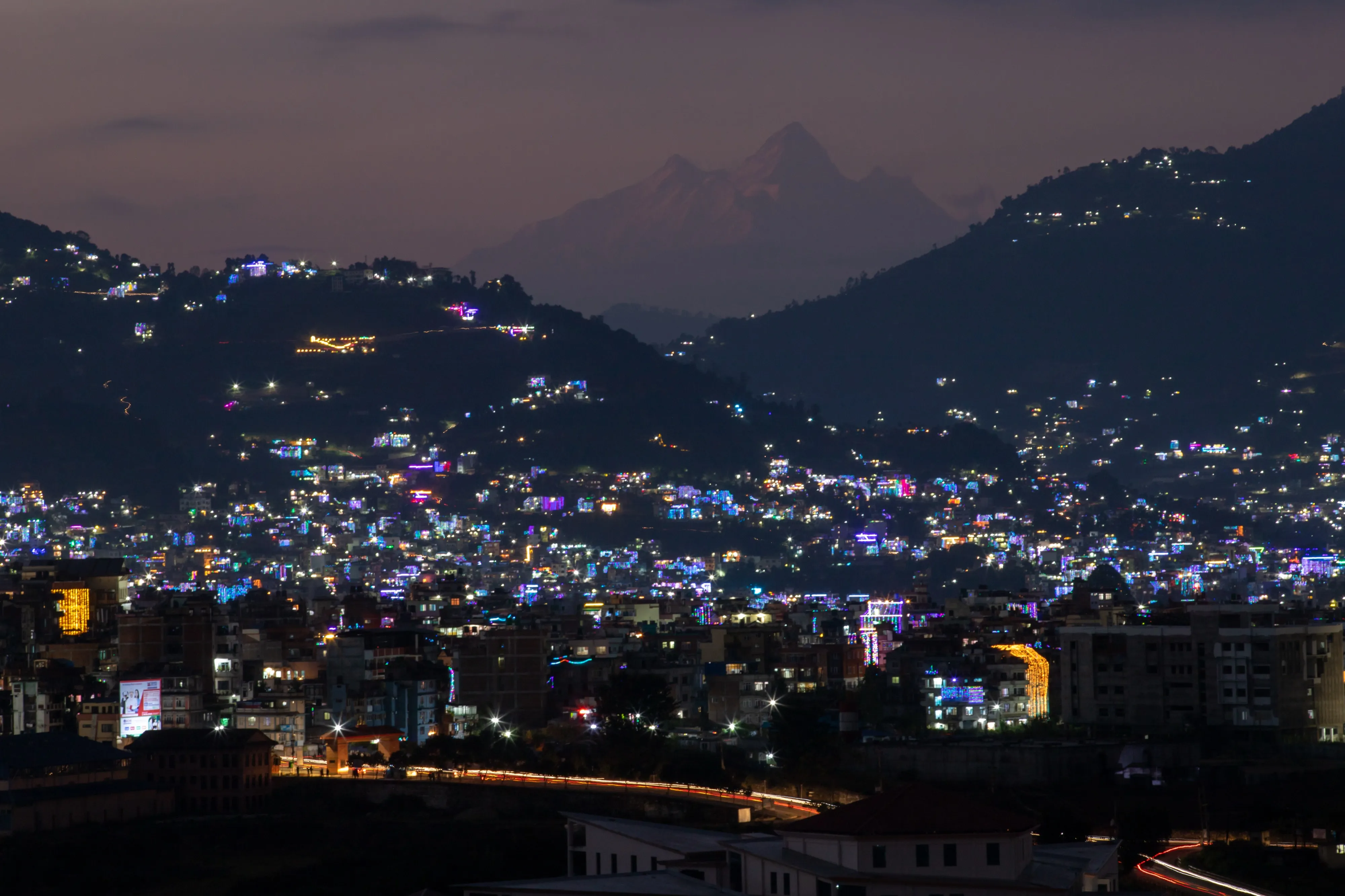 7 days
 NPKTM-KVT01
Kathmandu Valley Trek
Available on request
Kathmandu is the entry point and the cultural centre, three distinct cities sharing a single valley at roughly 4,600 feet, each with a UNESCO World Heritage Site, and a density of temples, stupas, and living traditions that takes several days to begin to absorb. Most visitors stay in the capital itself, but the valley is best read as a trio: Kathmandu, Patan, and Bhaktapur, each with its own Durbar Square, its own royal heritage, and its own character.
The three cities
Kathmandu’s Durbar Square holds the Hanuman Dhoka palace complex, the Kumari Ghar where the living goddess receives visitors, and a cluster of temples that includes the Vishnu Temple and Akash Bhairav. Patan, also called Lalitpur, is known as the City of Fine Arts. Its Durbar Square is the most concentrated of the three, with Sundari Chowk, Keshav Narayan Chowk, Mulchowk, the twelfth century Golden Temple, and the Baglamukhi Temple all within a short walk. Bhaktapur is the smallest and the best preserved, a medieval town where the Natyapola Temple, the Bhairavnath Temple, the Taleju Bhawani, and the Dattatreya Temple stand within an old quarter that still functions as it has for centuries.
Beyond the squares
The valley also holds Swayambhunath, which pre-dates the valley’s drainage when this was still a lake, and Boudhanath, a thirty-six metre stupa built in the fifth century and one of the largest in South Asia. Pashupatinath, on the banks of the Bagmati, is the most important Shiva temple in the country, with cremation ghats running along the river and a gold and silver pagoda roof. Only Hindus enter the inner temple, but the wider complex is open to all. Timing changes what you see here more than almost anywhere else in the valley: The Morning You Couldn’t Have Arranged Yourself is an account of arriving at half past seven.
Arrival and practical notes
Tribhuvan International Airport sits within the city, and tourist visas are issued on arrival, so the entry is straightforward. One small thing to plan around: Saturday is the weekly holiday, when many offices and banks close. And a detail that tells you something about the place, Nepal keeps its own time, forty-five minutes off the hour at GMT+5:45, a country that has always insisted on measuring the world its own way.
Know before you go
- Altitude
- ≈4,600 ft, valley floor
- Climate
- Mild, temperate
- Best months
- Oct to Nov and Mar to May (clearest skies)
- Time needed
- 3 days minimum; 5 to 6 ideal
- Known for
- Three Durbar Squares, UNESCO temples, living ritual
Let's plan your journey
Tell us what inspires you, and together we'll explore a journey that's just right for you.
No commitment required. We'll get back to you within 24 hours.