Why a Private Guide Is Worth It: What Separates a Great One from a Good One
You have probably had the experience at least once. A guide stops in front of a building you would have walked past, lowers their voice slightly, and tells you something about it that you could not have found in any guidebook. Not a date. Not an architectural style. Something about the family who lived there, or the argument that took place on the steps, or the small piece of stonework that someone added as a private joke four hundred years ago. The building changes. The street changes. The day changes.
That experience is not luck. It is the result of having chosen well. The difference between travelling with a private guide and travelling with a group is not really about comfort, or pace, or even cost. It is about the quality of what you actually learn, and the quality of what you actually see. The two are connected, and both depend almost entirely on who is walking beside you.
What a Private Guide Actually Changes About Your Day
It is tempting to describe private travel in terms of what it removes: the coach, the lanyards, the timetable, the person at the back of the group who is always five minutes late. All of that is true, and all of it is worth removing. But the more interesting point is what private travel adds.
The pace is yours. If a room in a museum holds you for forty minutes, you stay for forty minutes. If you have seen enough churches for one morning and would rather find somewhere good for lunch, you skip the third cathedral and go and eat. If a market catches your attention on the way to somewhere else, you stop.
The itinerary bends around what interests you, not around what interests the average traveller in a notional group of twenty. The guide stops being a schedule-keeper and becomes something closer to a companion: someone interpreting a place for you, in real time, in conversation. That is a different kind of travelling, and once you have done it, the group version is hard to go back to. It also pairs naturally with a slower approach to travel altogether, the kind where you spend three or four days in one city rather than moving on before you have found your feet. We have written about why that rhythm tends to produce the best trips.
The History Question: Why Storytelling Matters More Than Facts
A great guide does not recite dates. They make the past feel inhabited. They know the gossip, the scandals, and the small human details behind the official story. They can tell you what life actually felt like in a place, not just what happened there. They understand that history is mostly a long sequence of people doing recognisable things in unfamiliar clothes, and they tell it that way.
When you are assessing a prospective guide, ask specifically about their approach to history. The answer will tell you a great deal very quickly.
A great guide will light up. They will tell you a story, unprompted, because that is how they think. A competent-but-average guide will describe their “comprehensive knowledge of the area” and offer you a list of credentials.
Green flag: They tell you a story when you ask. A specific one, unrehearsed, with texture and a point of view.
Red flag: They describe themselves as “passionate about history.” Everyone says that. It means nothing.
The distinction matters because storytelling is the actual product. Facts are everywhere now; you have a phone in your pocket that contains all of them. What you cannot get from a phone is a person standing in the right spot, at the right moment, telling you the right thing in the right way.
The Flexibility Test: How a Great Guide Handles a Changing Day
The best private guides carry a mental map, not a script. They have a structure in their heads, a shape to the day, and they adapt it constantly. They notice when you linger and when you are tired. They notice when something caught your eye that they had not planned to stop at, and they fold it in.
A useful question to ask a prospective guide, or the operator arranging the day, is what happens when a client wants to change the plan mid-morning.
A great guide will describe the flexibility as a feature. They will tell you about the time someone wanted to abandon the afternoon itinerary because they had fallen in love with a neighbourhood, and how the rest of the day unfolded from there. A mediocre guide will look faintly anxious. They may talk about “needing to keep to the schedule” or about how “the itinerary has been carefully planned.” That is the answer of someone who has been trained, not someone who has been formed by years of paying attention to the people in front of them.
You want the first kind. The day belongs to you, and the guide who understands that without needing to be reminded is the guide worth booking.
Local Knowledge That Goes Beyond the Guidebook
There is a kind of knowledge that does not appear in any training manual and never will. It is the restaurant that has not yet made it into any app. The viewpoint that does not appear on tourist maps. The neighbourhood that has opened up in the last three years and that locals are quietly proud of. The shop where the owner remembers people. The hour of the day when a particular square is at its best, and the hour when it is overrun.
This kind of knowledge comes from living somewhere and paying attention. It cannot be acquired in a classroom, and it cannot be faked.
Two questions will tell you, very quickly, whether a guide has it.
Ask where they go on their days off. Ask what they would show their own family if their family came to visit from abroad. The answers tell you more than any CV ever will. A guide with real local knowledge will answer immediately, with specifics, and probably with an opinion. A guide without it will offer you the standard list, slightly reshuffled.
The Practical Question: What to Actually Ask Before You Book
If you take nothing else from this article, take these four questions. Put them to any guide or operator you are considering, in writing or in conversation, and pay close attention to the answers.
- How many people will be in our group, and is that number guaranteed?
- Can you describe your approach to history and storytelling, ideally with an example?
- What happens if we want to change the plan on the day?
- Where would you take someone who wanted to see the city the way locals see it, rather than the way tourists do?
Four questions. Honest answers to all four, and you will know within a few minutes whether you have found the right person.
The Case for Paying for It
A great private guide is one of the best investments a traveller can make. Not because they save you from getting lost; you can manage that perfectly well on your own, and you have probably been managing it for decades. The value is in something else entirely.
A great guide gives you access to a version of a place that exists just below the surface of what any independent traveller, however experienced, can reach on their own. That version is layered, human, and specific. It is the version worth travelling for, and it is worth paying for.
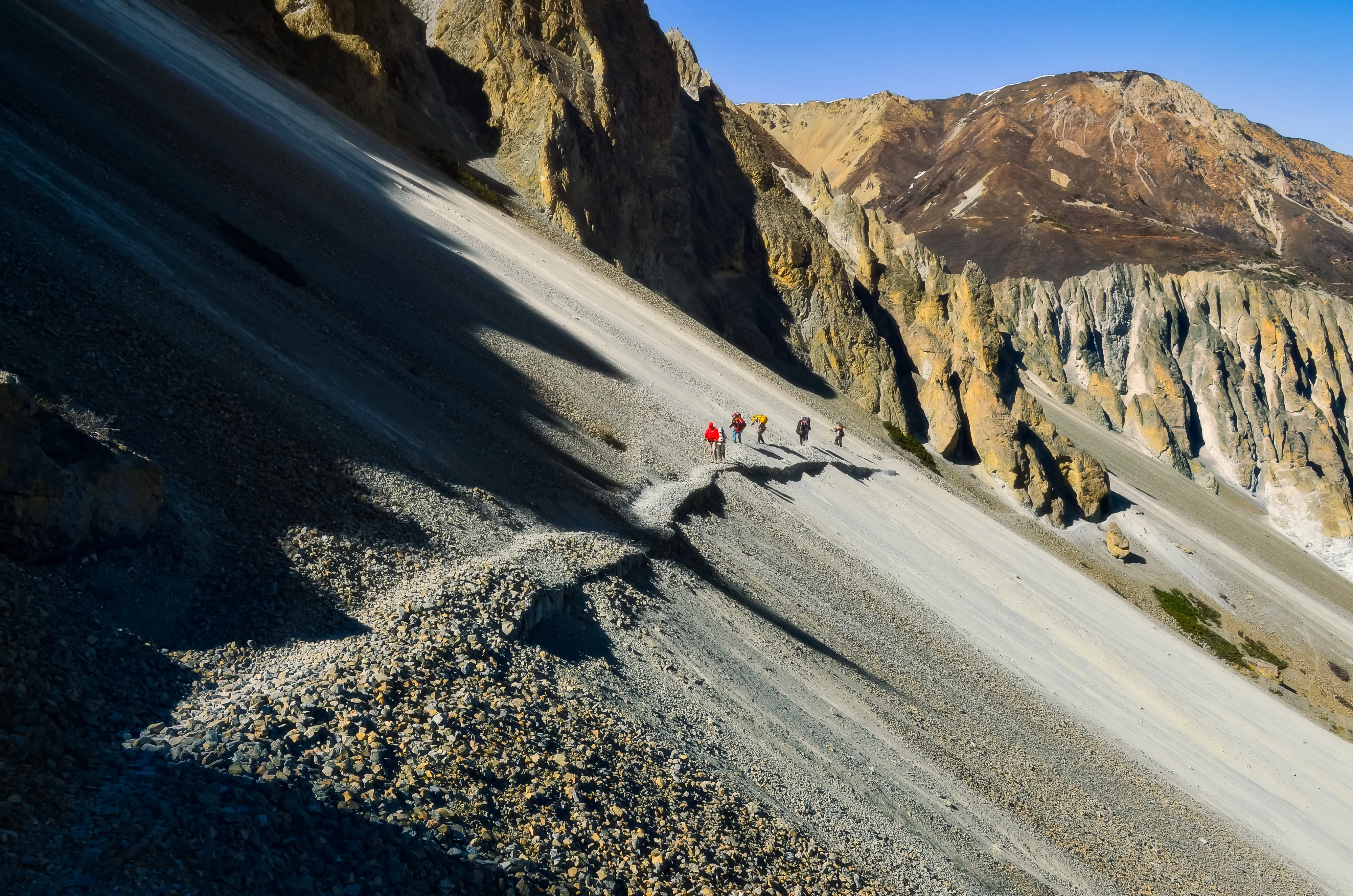
The right guide is also destination-specific in ways that are easy to underestimate. In Nepal, for instance, the guide who reads a temple strut in the Kathmandu Valley is not the guide who reads weather on a high mountain pass, and matching the right person to the right day is most of what a good curator does.
A private guide and driver are not the only comfort argument here, either. For travellers who have finally reached the stage of life when the calendar is genuinely theirs, that same comfort is what makes depth possible rather than exhausting. Where all of this lands in practice is in how you weigh up one operator against another.
The questions above will help you find someone who actually has it to give. Ask them, listen carefully, and trust your instincts. You already know what good travelling feels like. The right guide will simply give you more of it. The question of who finds and vets that guide on your behalf, before you ever speak to them, is what the curator’s role is actually about: how curated travel works explains that arrangement plainly.

Written by
Mano Chandra Dhas ›Founder of Coromandel Tours. In travel since 1975, from Singapore Airlines to Emirates and Carlson Wagonlit, he now curates private journeys through Colombia, Peru, India, and Nepal from his home in Bogotá. Many of the photographs on this site are his.