From Enquiry to Itinerary: What Actually Happens After You Contact a Travel Curator
Every travel company asks you to get in touch. Almost none of them tells you what happens after you do. The enquiry form sits at the bottom of the page like a small act of faith: you describe a trip you have not taken to people you have not met, press send, and wait to find out what you have set in motion.
We have already written about what makes an enquiry useful, the information that changes a design and the information that only feels like it does. This is the other half of that story: what we actually do with your message once it arrives, stage by stage, and what you should expect from each one. Partly because the process is worth understanding before you start it, and partly because how a company designs a trip tells you a great deal about the trip it will design.
The First Reply Is a Question, Not a Quote
We usually reply the same day, and the reply is usually a question. That is deliberate, and it is worth explaining, because it is the point where a curated trip and a packaged one part ways.
A package can be quoted immediately because it already exists; the only variable is whether you buy it. A curated trip does not exist yet. What exists is a picture of you, still incomplete: how you like to move through a day, what a previous trip got wrong, who is travelling and what each of them can manage. The first conversation is where that picture gets filled in, by email or WhatsApp, whichever you prefer. It is a conversation rather than a form because the useful details rarely surface in response to fields and dropdowns. They surface when someone asks the obvious follow-up.
An enquiry commits you to nothing. It starts a conversation, and some conversations conclude, correctly, that what you want is not what we do. That answer costs you one email exchange, which is considerably cheaper than discovering it in week two of the trip.
Where the Itinerary Actually Comes From
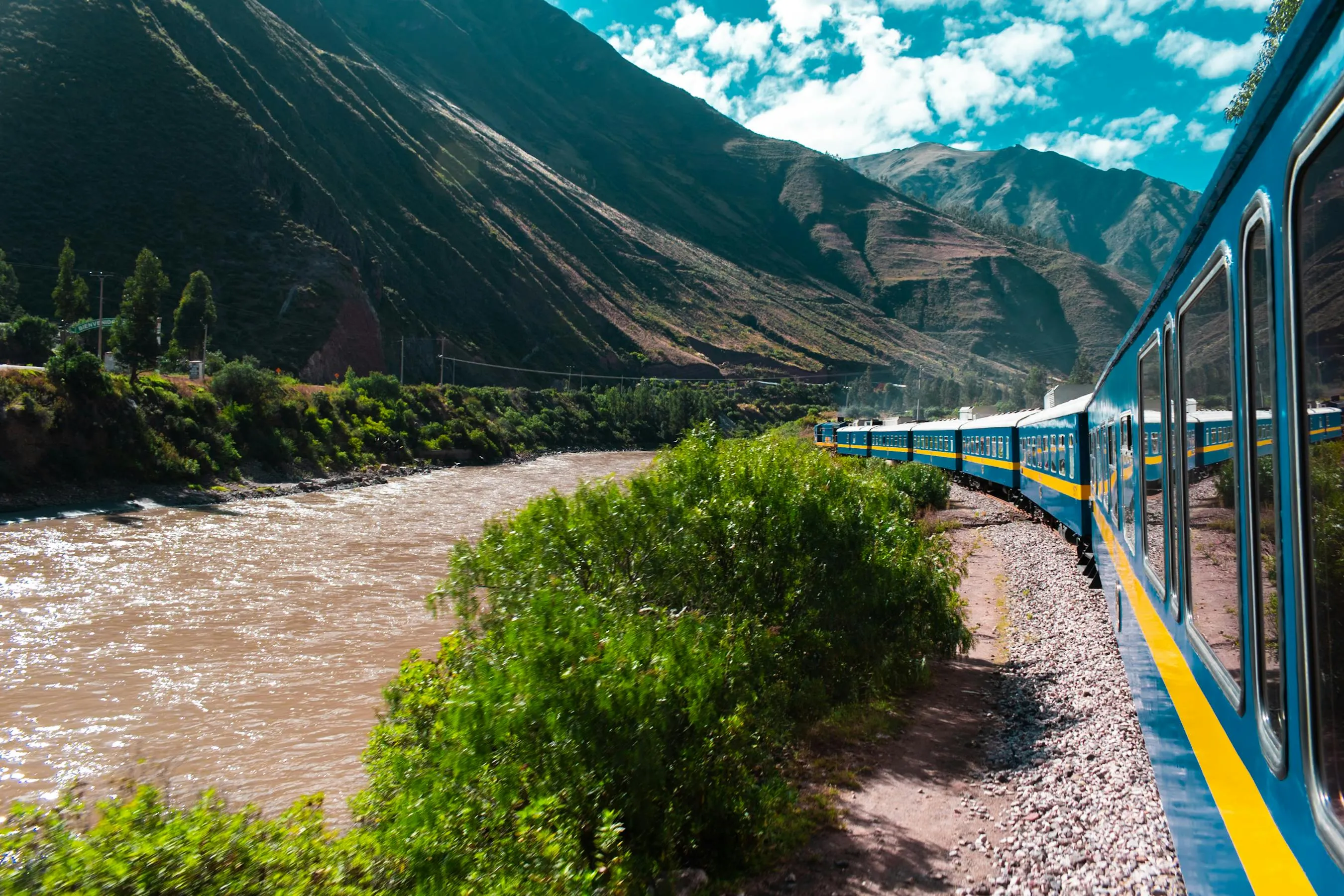 The Sacred Valley in Peru. Deciding what order a trip runs in, and how gently it climbs, is design work done long before you arrive.
Once the picture is clear enough to design from, the work moves to our side of the table, and it starts from something concrete. The itineraries published on this site are not a brochure to pick from; they are our considered answers to a recurring question, what is the best way to see this region, tested and refined with the local operators who run them. For many travellers, one of them is already close to right, and the design work is adjustment: a day added here, a stop removed there, the pace loosened to fit.
For others the published routes are raw material. They can be combined, extended, or set aside entirely and replaced with something built from scratch. The four versions of India’s Golden Triangle are a small illustration of the principle: the same three cities produce four different trips depending on what the traveller is actually travelling for. Multiply that by every region we work in and you have the real shape of the catalogue: not a menu, but a set of starting points.
Two decisions carry most of the weight at this stage, and neither of them appears on the itinerary document. The first is which of our partner operators the trip is built with. We work in four countries through a deliberately short list of local operators we know personally, chosen for how they work rather than how they market themselves, and matching the operator to the trip is a judgement, not a lookup. The second is the guide. As we have argued in why a private guide is worth it, the match between guide and traveller is where much of the value of the whole arrangement quietly sits. Getting that right requires knowing you, which is what the first conversation was for.
The Draft Is a Draft
What comes back to you is a recommended itinerary, and the word recommended is doing honest work. It is a draft: our best first answer, not a final one, and we expect you to push on it.
Something in it will usually be slightly wrong, and the way it is wrong is informative. The pacing reads well until you notice one day with too much in it. The hotels are right except for one night that does not appeal. You realise, looking at a concrete plan, that you care more about one place than you thought and less about another. None of this means the process has failed. It means the process is working, because a concrete draft surfaces preferences that no questionnaire ever will. The second conversation, the one that happens after you have seen the draft, is routinely more productive than the first, and the revision it produces is where the trip stops being plausible and starts being yours.
There is a detail worth noticing here. A curated itinerary is revised by the people who designed it, with the reasoning intact. If a day moves, the things that depended on that day move with it: the bookings, the guide’s schedule, the fact that a monument closes on Fridays. When you assemble a trip yourself from a dozen separate bookings, every change you make has to be checked against every other piece by you. Here, that checking is our job, and it is invisible precisely when it is done well.
When It Becomes a Trip
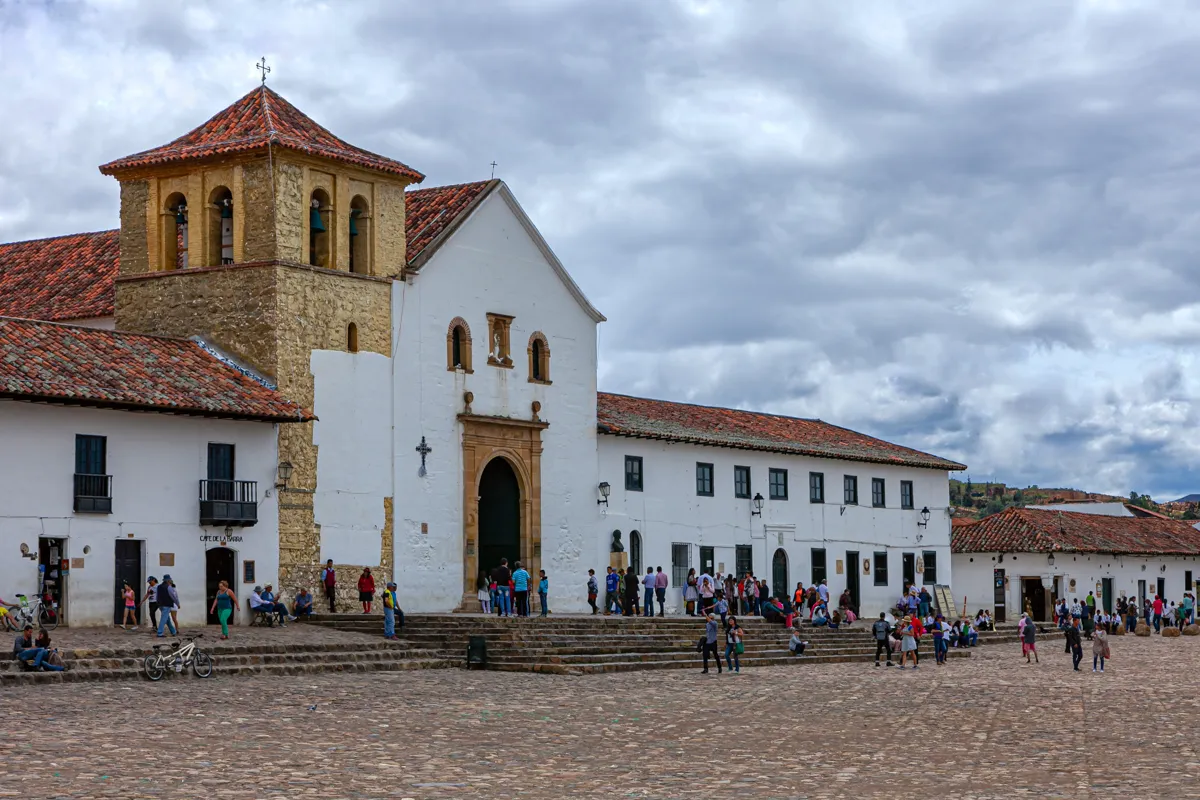 Villa de Leyva, Colombia. The end of the process is not a document but a set of days that fit the person travelling them.
At some point the draft fits, and you say so. From there the arrangement is confirmed with the operators on the ground: the people, the vehicles, the rooms, and the timings move from proposal to plan. What you hold at the end is an itinerary in which every element has been chosen twice, once by us in the design and once in the revision you shaped.
The whole sequence, from first reply to confirmed trip, is a handful of conversations. It asks more of you than clicking a book-now button, though not much more: an honest brief at the start and honest reactions to a draft in the middle. What it returns is a trip with a reason behind every day in it.
What comes after the itinerary is agreed, from payment through to support on the road, is set out in what happens between your brief and your departure. If the model itself is still unfamiliar, what a curated tour actually is explains the thinking, and the curated travel guide sets out how we apply it across Colombia, Peru, India, and Nepal. And if you are ready to test the process on a real trip, it starts the same way every trip we design starts: tell us what you are hoping for, and expect a question back within the day.

Written by
Mano Chandra Dhas ›Founder of Coromandel Tours. In travel since 1975, from Singapore Airlines to Emirates and Carlson Wagonlit, he now curates private journeys through Colombia, Peru, India, and Nepal from his home in Bogotá. Many of the photographs on this site are his.