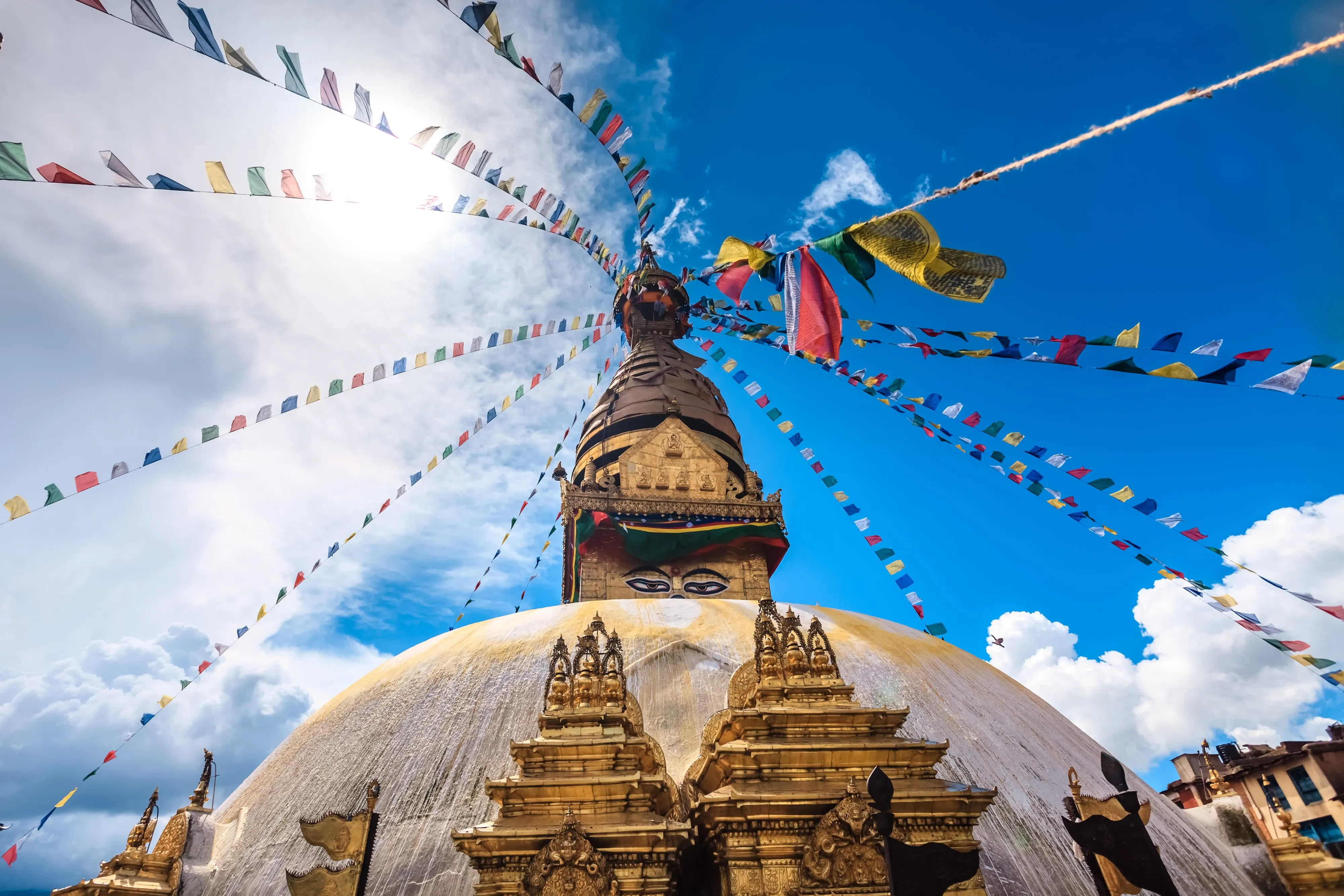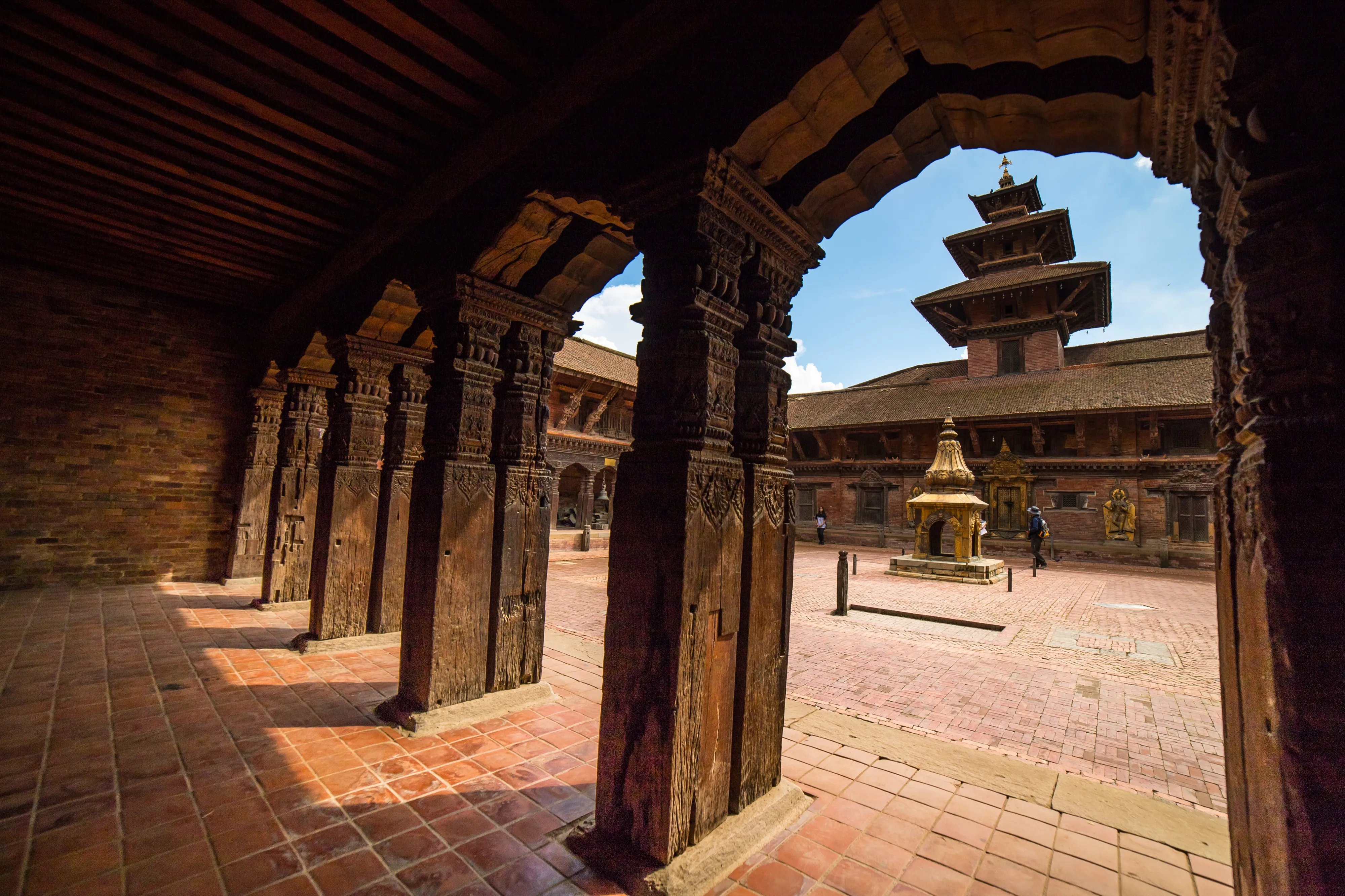
Most planning conversations about Nepal begin with a misconception we have written about before: that the country is a single trekking destination, and that the only real question is how high you intend to walk. We argued in What First-Time Visitors Get Wrong About Nepal that there is a cultural Nepal, centred on the Kathmandu Valley, that has nothing to do with altitude and deserves a serious traveller’s attention on its own terms.
Once you see the country as two destinations rather than one, a quieter mistake comes into view, and it costs more, because it is made after the decision to go has already been taken. It is the assumption that one good contact in Nepal can deliver both halves of the country with equal authority. They almost never can. The two Nepals require two entirely separate bodies of expertise, and the people who hold one rarely hold the other.
Two countries, two kinds of knowledge
Consider what the high Nepal actually asks of the person leading you through it. A trekking guide on the Everest Base Camp route or the Manaslu Circuit is trained, and licensed by the Nepal Tourism Board, in a demanding technical discipline: high-altitude navigation, reading weather as it builds over a pass, recognising the early signs of altitude sickness, and managing the logistics of moving a group safely through thin air and unpredictable conditions. These are skills with consequences. A guide who can judge whether a 5,000-metre crossing is safe this morning, or whether the group should wait, is holding lives in that judgement. The expertise is real, hard-won, and specific.
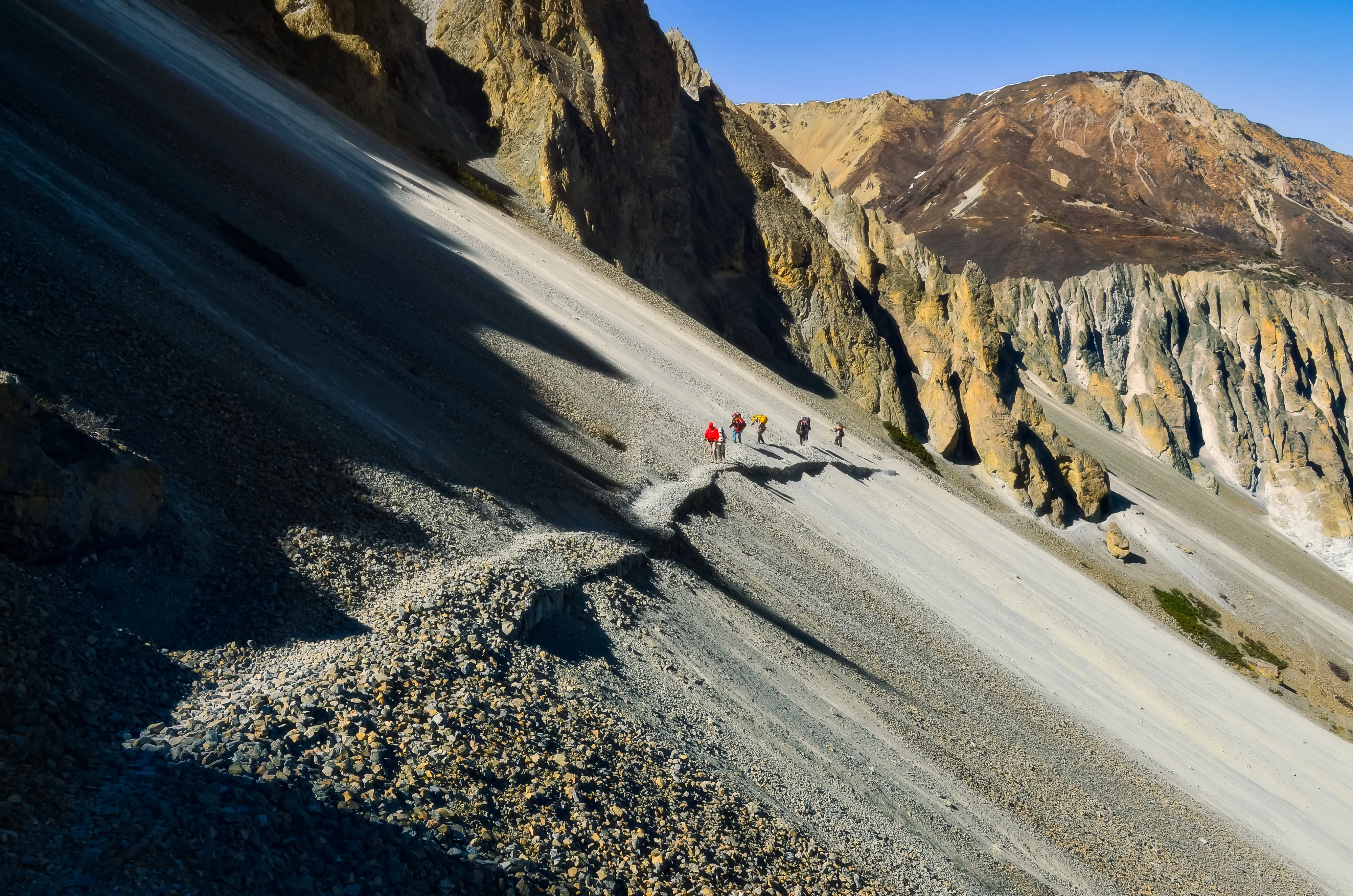 The high Nepal: trekking guides are licensed by the Nepal Tourism Board in mountain safety, navigation, and altitude medicine
Now consider the cultural Nepal. The Kathmandu Valley holds seven UNESCO World Heritage Sites, including the three medieval Newar cities of Kathmandu, Patan, and Bhaktapur. The Newar craftspeople who are the valley’s indigenous inhabitants built its temples and carried its bronze-casting tradition across centuries. To explain a carved temple strut, the iconography worked into it, the deity it serves, the guild that made it, and the layers of meaning a Newar worshipper reads at a glance, is also a discipline. The Nepal Tourism Board licenses trekking guides through a certification programme built around mountain safety, while cultural and heritage guides follow a separate training path focused on history, religious iconography, and site interpretation. These are not adjacent skills that develop in parallel. They are built in different institutions, for different careers, among different communities.
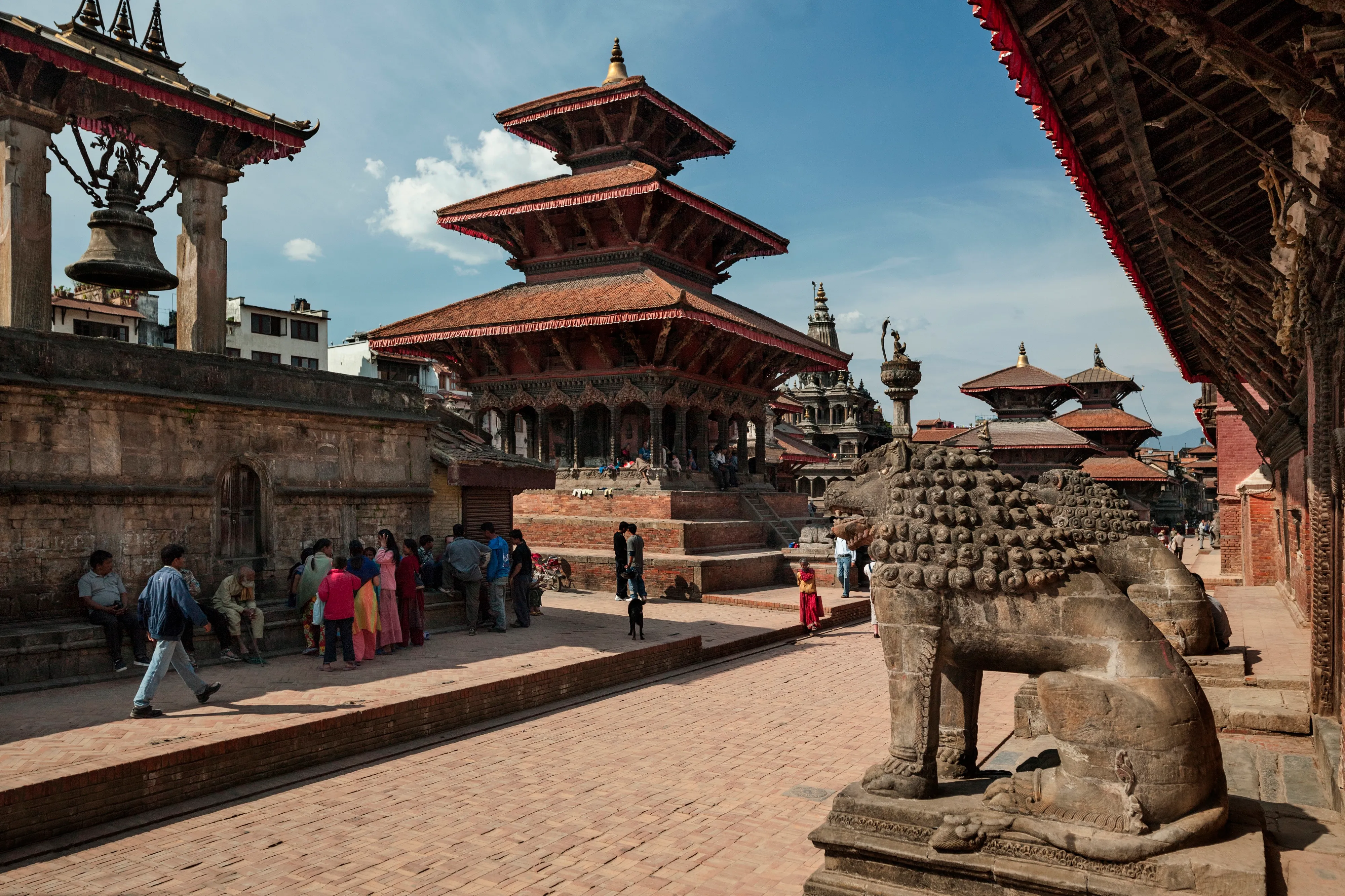 Bhaktapur Durbar Square: the valley’s medieval cities demand a guide trained in Newar history, iconography, and living religious tradition
The point is not that one form of knowledge is finer than the other. It is that they almost never live in the same person. A guide who knows the Annapurna Circuit intimately is not, as a rule, the one who can decode the symbolism on a Patan facade, and the heritage scholar who can will likely have never set foot above a teahouse. The reason is structural: a person spends years building one of these lives, in one community, on one career path, and that investment leaves no room to build the other. It is the difference between knowing a mountain and knowing a manuscript.
Where the curator’s judgement actually sits
This is the work that a travel curator does. The value is not in holding a contact in Kathmandu; a name and a phone number arrange very little on their own. The value is in knowing, before a single arrangement is made, which of the two Nepals a particular traveller is really going for, and then placing the right kind of expert against that intention rather than the nearest available one.
A couple drawn to the Kathmandu Heritage Tour, or to the broader cultural arc of Lumbini, Pokhara and Chitwan, needs a guide who can hold a temple courtyard for an hour and make the time pass too quickly. A walker set on Poon Hill needs someone whose attention is on the weather and the body. A traveller who wants both, several unhurried days in the valley followed by a measured trek, does not need a compromise figure who does each adequately. They need the journey structured so that the right person leads each part of it, with the handover managed so it feels seamless from the traveller’s seat.
That structuring is the quiet labour underneath a good Nepal itinerary. It looks, from the outside, like a sensible sequence of days. Underneath, it is a series of deliberate matches: this guide for this stretch, because this is what this traveller actually came to do. The shorter version of what this model means and how it works is on our curated travel guide; for a fuller treatment, we have written a plain explanation of what a curated tour actually is.
The cost of getting it wrong
The failure is rarely dramatic. You are unlikely to end up genuinely endangered because a heritage specialist was asked to lead a high trek; a responsible operator would decline that long before it happened. The more common outcome is duller and harder to name afterwards. The trek goes fine, but the days in the valley feel thin, narrated by someone reciting dates from a card rather than someone who lives inside the tradition. Or the cultural days are rich and the trek is competent but joyless, run by a person whose real fluency is elsewhere. The traveller comes home satisfied enough, never quite aware that half the trip was led by someone working slightly outside their depth.
The assumption that proximity equals expertise costs more in Nepal than in most places, because its two faces are so genuinely far apart. The mountains and the valley are different countries that happen to share a border crossing and an airport. Treating them as one, and trusting one person to interpret both, is the single decision most likely to flatten a trip that could have been remarkable into one that was merely fine.

Written by
Mano Chandra Dhas ›Founder of Coromandel Tours. In travel since 1975, from Singapore Airlines to Emirates and Carlson Wagonlit, he now curates private journeys through Colombia, Peru, India, and Nepal from his home in Bogotá. Many of the photographs on this site are his.