Cartagena Tours - Walled City, Colonial History & Caribbean Coast
UNESCO colonial jewel on the Caribbean coast
Tours in Cartagena
 4 hours
 COCTG-BIK01
Cartagena Bike Tour - The Walled City, Getsemaní & the Bay by Bike
Available on request
3 hours COCTG-CPT01
Cartagena Photography Tour - Colonial Colours, Doors & Golden Hour
Available on request
 4 hours
 COCTG-CWT01
Cartagena Walking Tour - History, Art & the UNESCO Walled City
Available on request
 4 hours
 COCTG-RAC01
Cartagena City Tour - Colombian Rum and Chocolate
Available on request
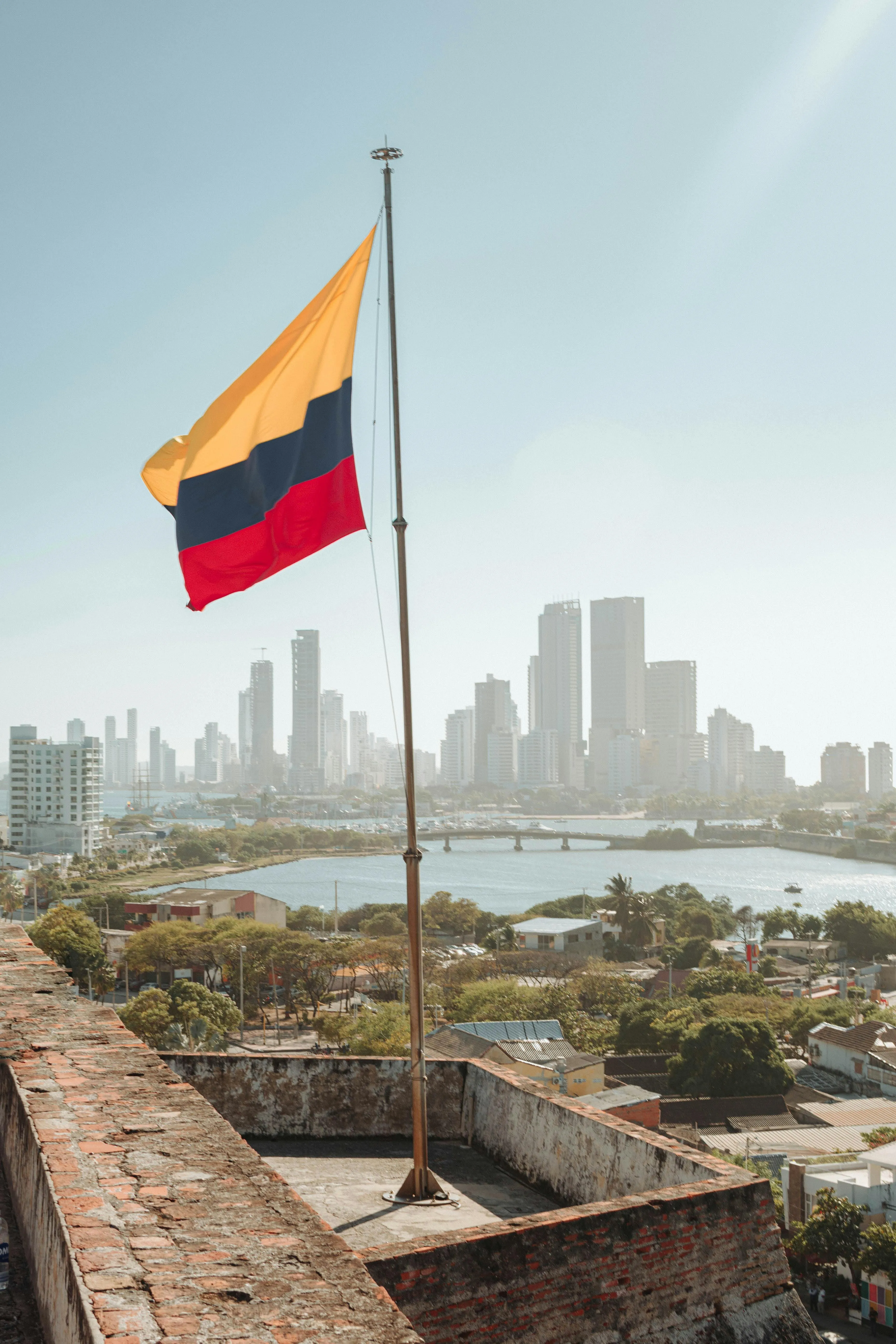
Cartagena hits the senses before it explains itself. The walled city is hot, bright, and loud in a way that has very little to do with the rest of Colombia. Founded in 1533 as a Spanish port on the Caribbean coast, it became one of the wealthiest cities in the Americas and built nearly eleven kilometres of stone walls to defend that wealth. Those walls still stand, and the old city they enclose is now a UNESCO World Heritage Site and one of the best-preserved colonial centres in South America.
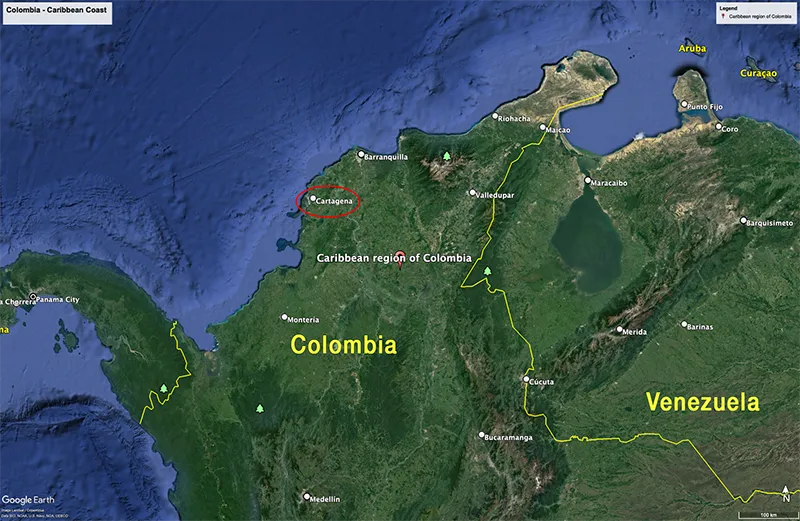 Cartagena sits on Colombia’s Caribbean coast, roughly 1,000 km north of Bogotá
Inside the walls
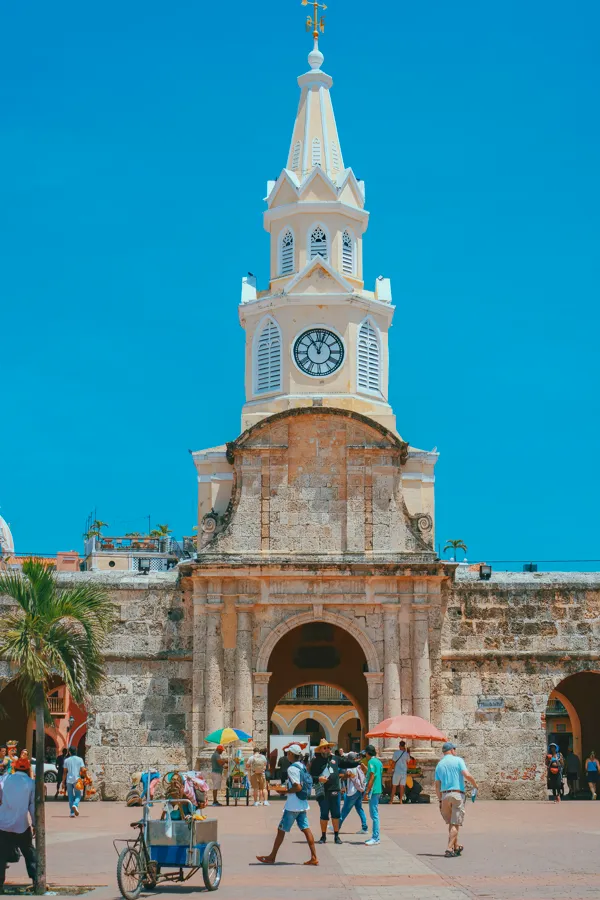
The Ciudad Amurallada, the walled city, is small enough to walk in a morning and dense enough to reward several days. Cobbled streets open into plazas: Plaza de Bolívar with its statue and shaded benches, Plaza Santo Domingo with its outdoor cafés, Plaza San Pedro Claver beside the church of the same name. Bougainvillea spills over wooden balconies; the facades are painted in the ochres, blues, and pinks that the Spanish brought and the Caribbean made its own. The walls themselves are open to walk along, particularly at sunset, when the light flattens against the sea.
Getsemaní and the city beyond the walls
Just outside the old city, the neighbourhood of Getsemaní has become the cultural heart of contemporary Cartagena. Once a working-class quarter, it now holds some of the city’s best street art, its most interesting small restaurants, and a nightlife that runs on salsa and champeta well into the early hours. It is the part of the city where the Afro-Caribbean influence on Cartagena, present in the music, the food, and the language, is most clearly felt. A local guide is the difference between seeing the murals and understanding them.
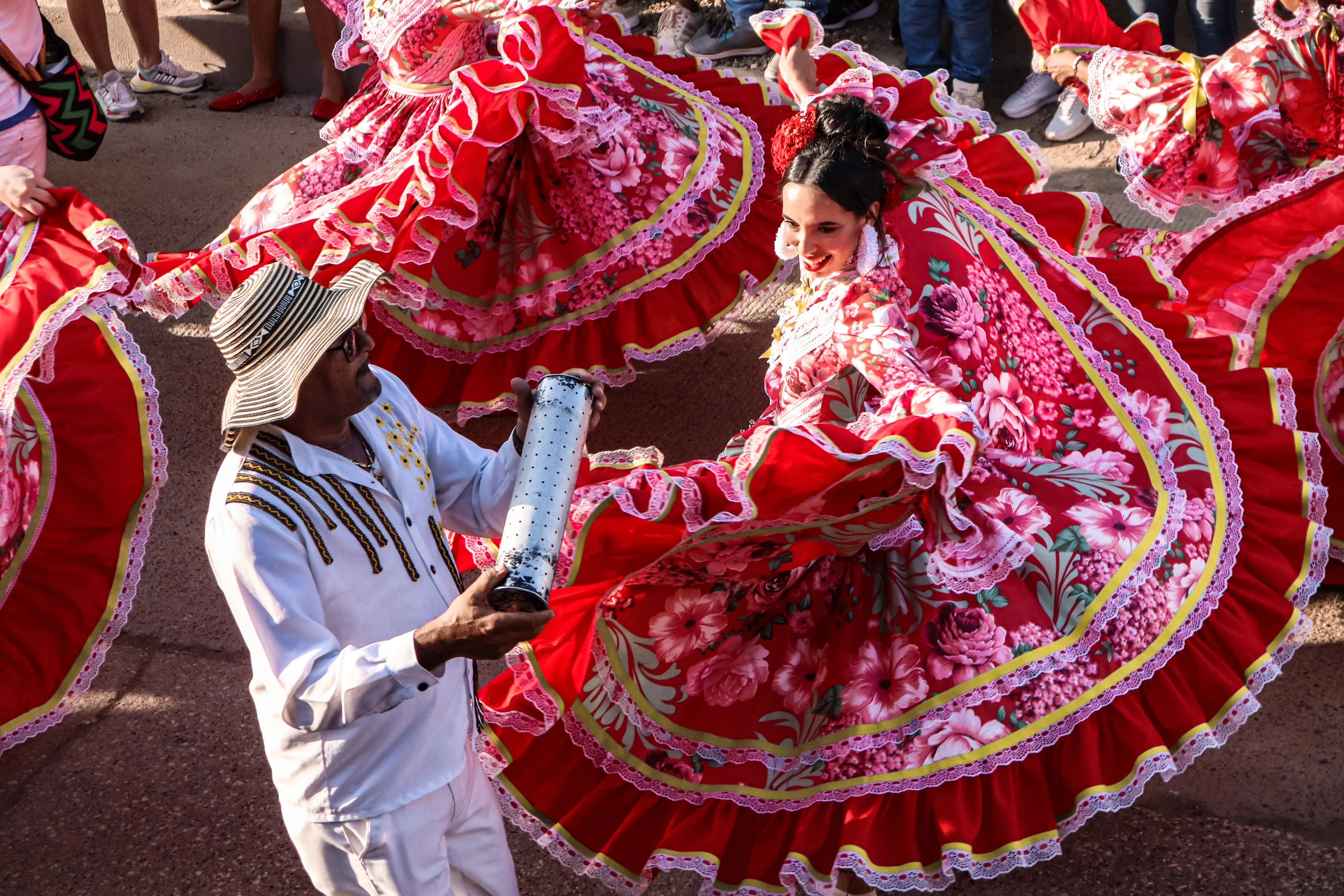 Caribbean-coast folk dance, part of the Afro-Caribbean culture that runs through the region
The coast and the islands
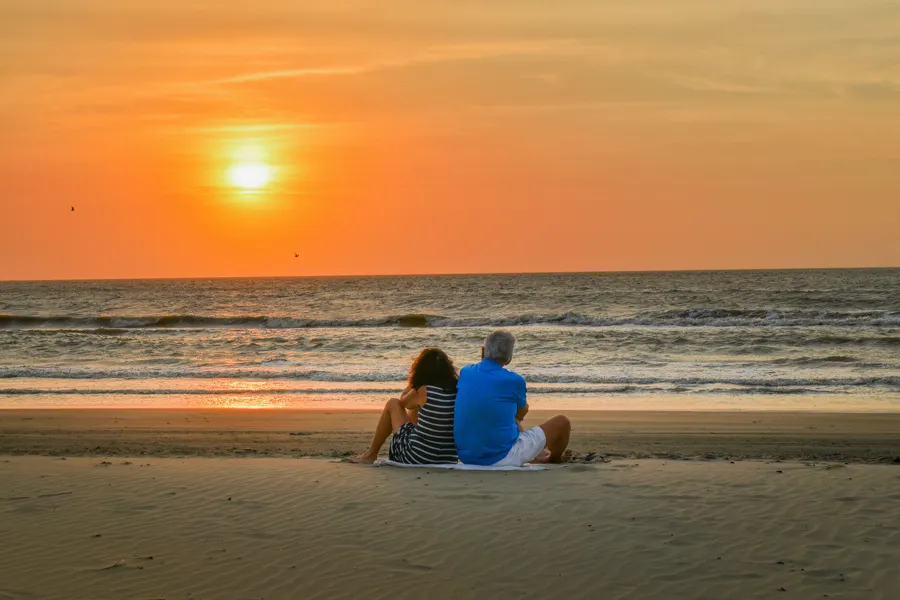
Cartagena’s setting is half the point. Playa Blanca, on Barú Island about an hour from the city, is the closest of the genuinely beautiful beaches: white sand, clear water, small restaurants serving fresh fish. The Rosario Islands, a national park of 27 small coral islands off the coast, hold Colombia’s largest coral reef system and are reached by boat from the city. Day trips run regularly; for travellers who want to slow down further, a night on one of the islands is possible.
History at the edge of the city
The Castillo San Felipe de Barajas, the great hilltop fortress that once defended Cartagena from sea attack, sits just outside the walls and is worth a careful visit, ideally early in the morning before the heat takes hold. It is the largest Spanish military structure in the Americas, and the tunnels beneath it give a clear sense of how seriously the city was defended.
Practicalities
The climate (panel above) shapes the rhythm of a Cartagena day more than the calendar does. Light clothing, sun protection, and more water than you think you need are essential. The walled city is best walked early in the morning and again after sunset; the middle hours belong to shade, a long lunch, or the sea.
Know before you go
- Altitude
- Sea level, Caribbean coast
- Climate
- Tropical, hot and humid
- Best months
- December to April (dry season)
- Known for
- Walled colonial city, Getsemaní, Caribbean islands
Let's plan your journey
Tell us what inspires you, and together we'll explore a journey that's just right for you.
No commitment required. We'll get back to you within 24 hours.