Delhi Tours - Gateway to the Golden Triangle
Where ancient empires and modern India meet
Tours in Delhi
 6 Nights / 7 Days
 INDEL-GTR01
The Golden Triangle - India's Most Popular 7-Day Private Tour
Available on request
 9 Nights / 10 Days
 INDEL-GTR02
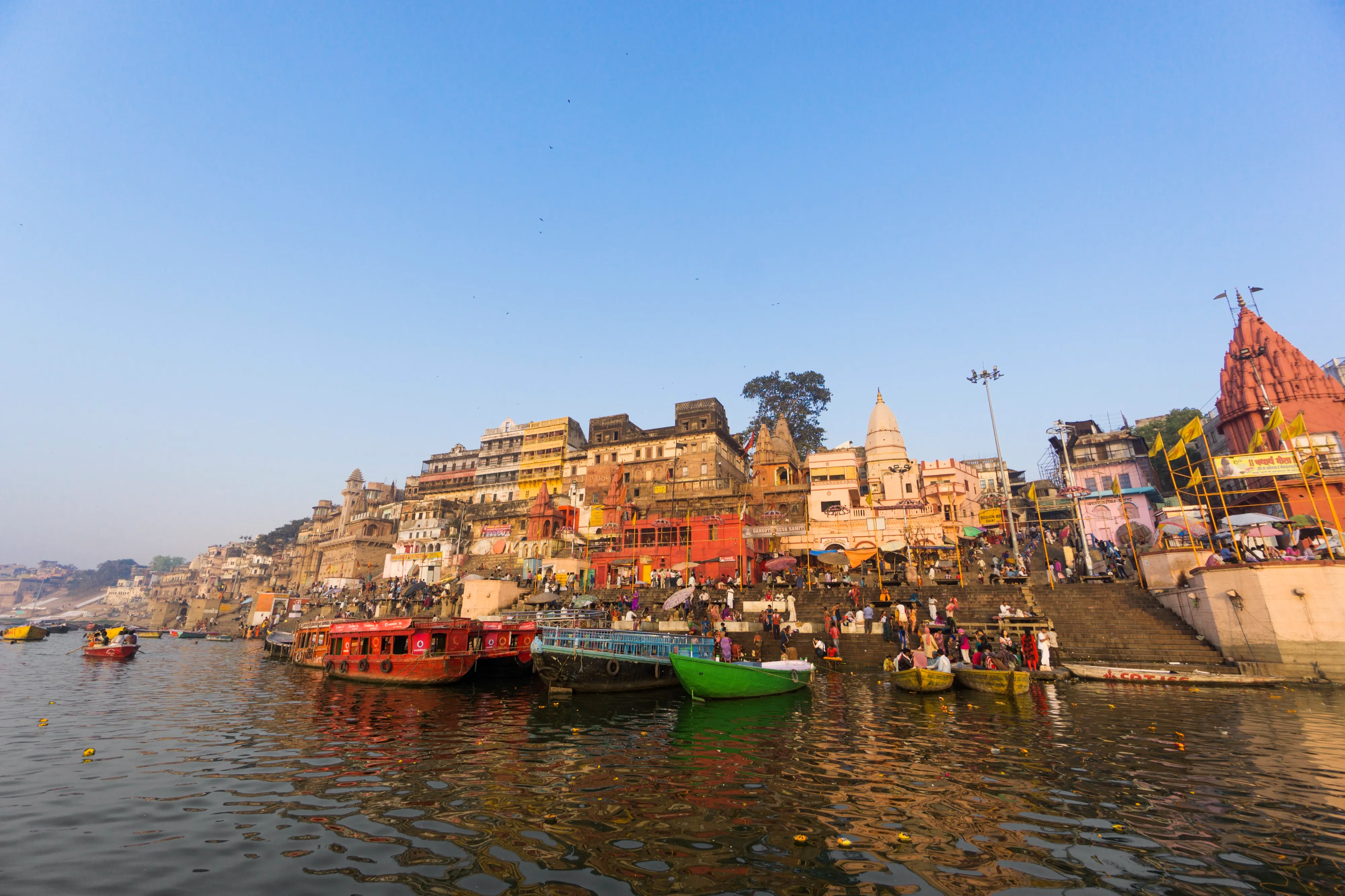
Golden Triangle with Khajuraho & Varanasi - 10-Day India Tour
Available on request
 8 Nights / 9 Days
 INDEL-GTR03
Golden Triangle with Ranthambore - Delhi, Agra, Ranthambore & Jaipur
Available on request
 8 Nights / 9 Days
 INDEL-GTR04
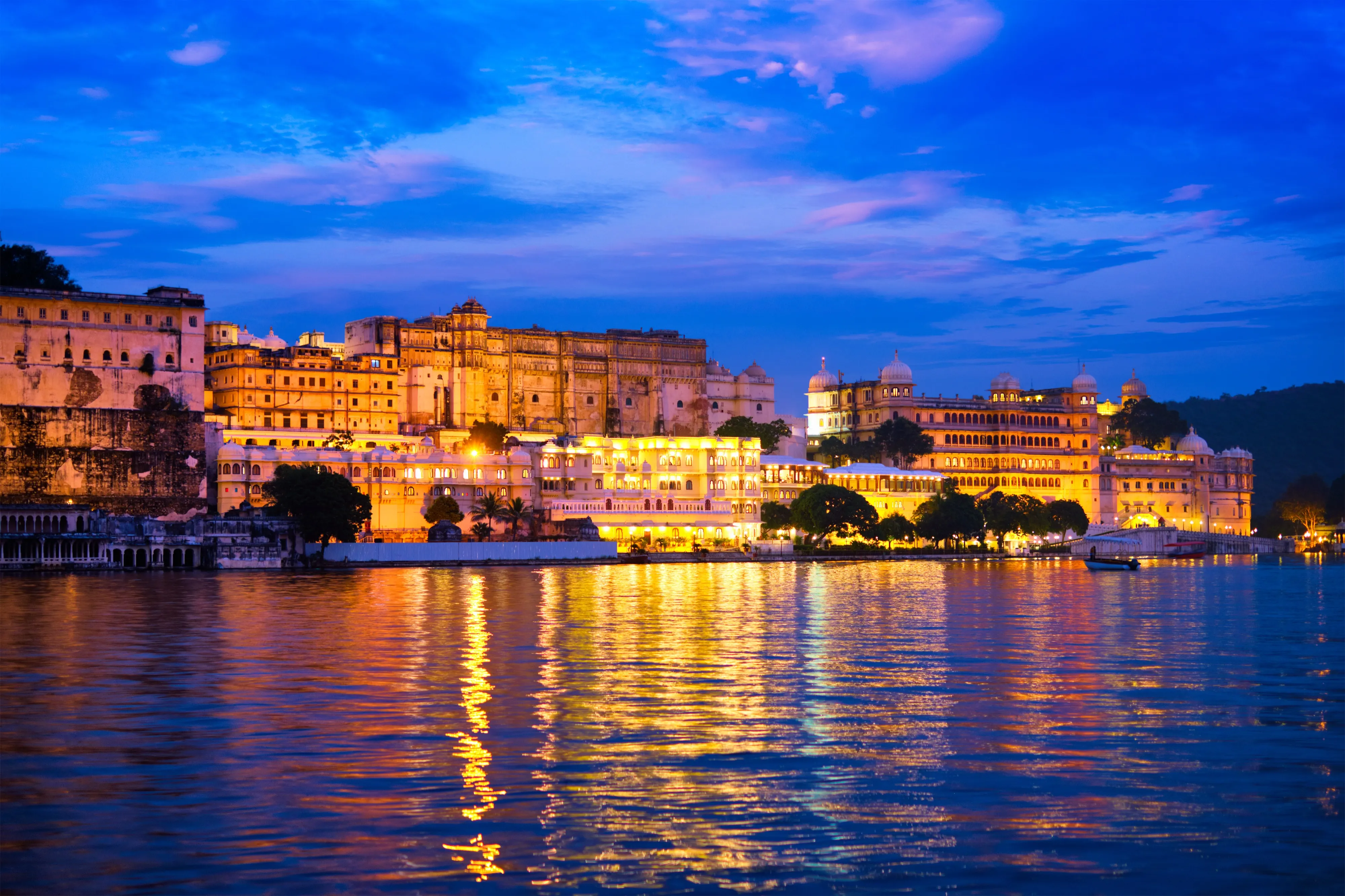
Golden Triangle with Udaipur - Delhi, Agra, Jaipur & the City of Lakes
Available on request
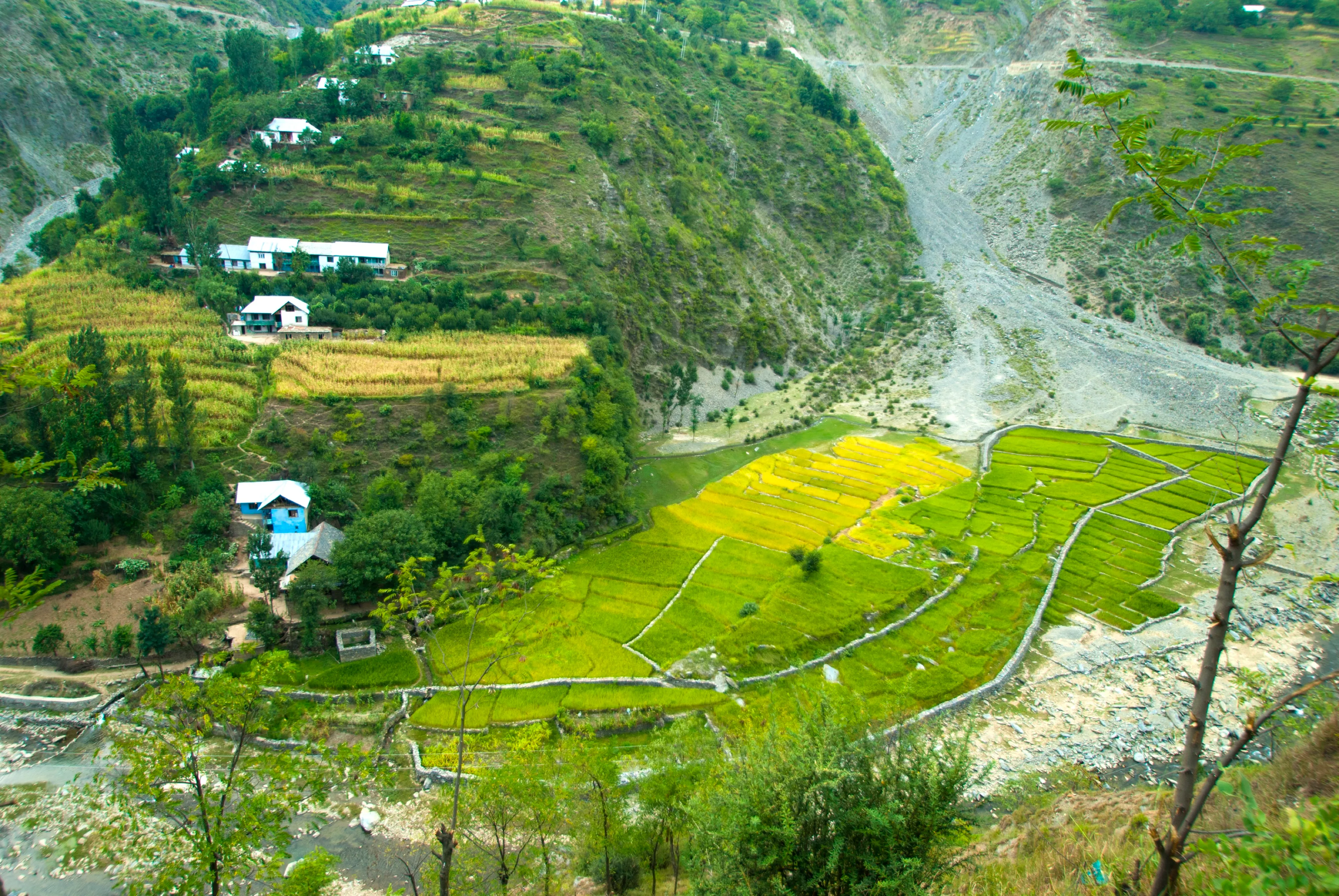 7 Nights / 8 Days
 INDEL-HHM01
Heritage & Himalayas - Delhi, Kashmir & Gulmarg
Available on request
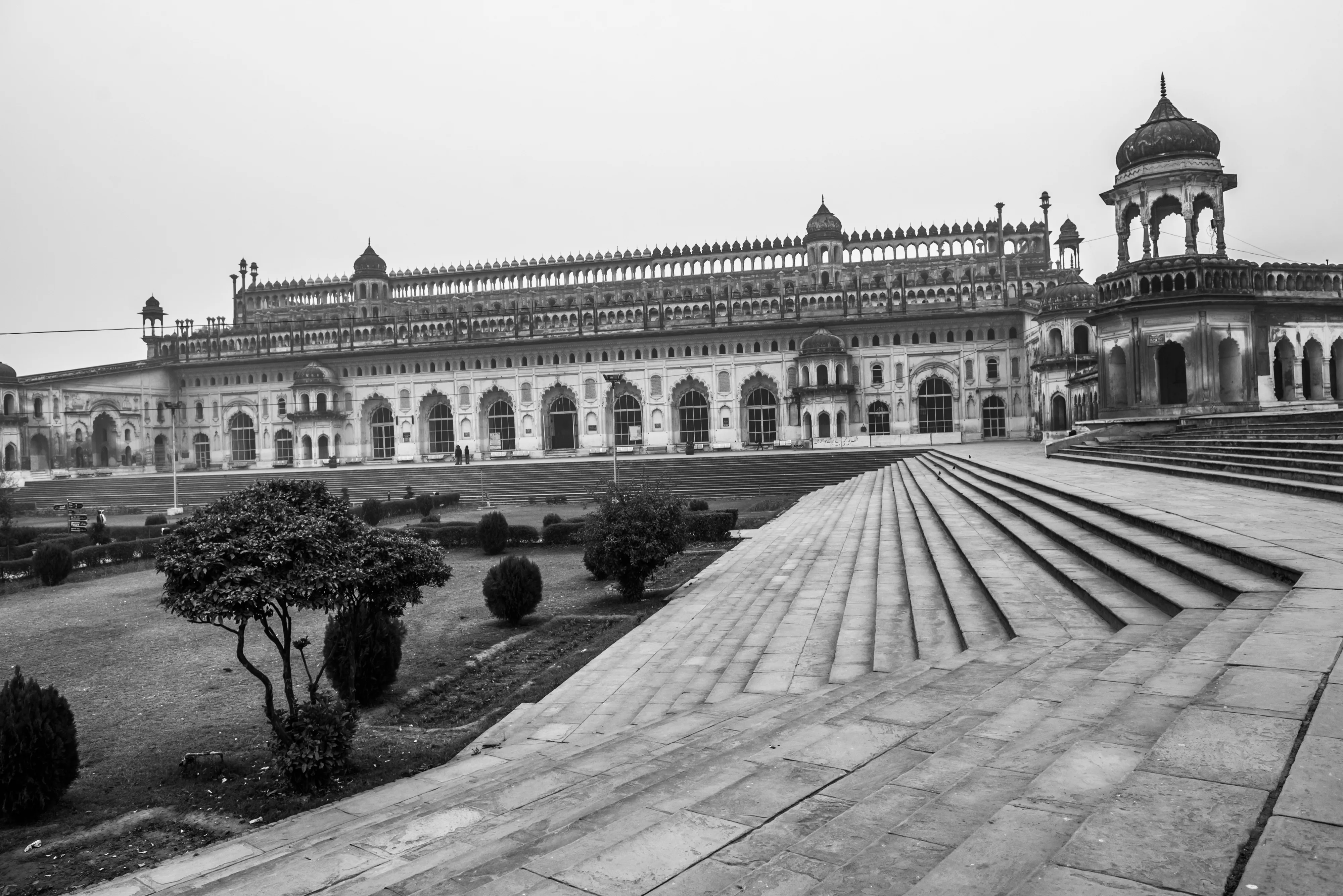 9 Nights / 10 Days
 INDEL-HET01
Heritage & Traditions - Delhi, Agra, Lucknow, Ayodhya & Varanasi
Available on request
 9 Nights / 10 Days
 INDEL-YOG01
India: A Journey of Yoga, Sacred Rivers and Spiritual Discovery
Available on request
Delhi is simultaneously one of the world’s oldest and youngest capital cities. Old Delhi carries fifteen centuries of layered history, Mughal mosques, medieval bazaars, and the tombs of emperors. Across an invisible boundary, New Delhi is a planned capital built by the British in the early twentieth century: wide boulevards, vast governmental buildings, and the formal geometry of Edwin Lutyens’ design. Together, they form a city unlike any other in Asia.
Delhi is also the starting point for the Golden Triangle, the country’s most travelled circuit, which links the capital with Agra and its Taj Mahal, and Jaipur, the pink city of Rajasthan. Much of what follows lies along that road south. The classic route is only the beginning of it: The Golden Triangle, Four Ways sets out how the extensions to Ranthambore, Udaipur, or Varanasi turn it into a longer trip, and how to choose between them.
Old Delhi: Fifteen Centuries in a Morning
Old Delhi rewards a slow, unhurried approach. Jama Masjid, the great mosque commissioned by the Emperor Shah Jahan in the 17th century, is the largest in India and a working place of worship that welcomes visitors outside of prayer times. A short cycle-rickshaw ride through Chandni Chowk, Delhi’s oldest market, a dense network of lanes selling spices, textiles, street food, and jewellery, gives a vivid sense of how the city has traded for centuries.
The Red Fort, built by Shah Jahan between 1638 and 1648, was the ceremonial centre of Mughal power for nearly two hundred years. Raj Ghat, the simple black-marble memorial on the banks of the Yamuna River, marks the cremation site of Mahatma Gandhi. Humayun’s Tomb, completed in 1572 and a UNESCO World Heritage Site, is widely considered the forerunner of the Taj Mahal and among the finest Mughal buildings in India. Qutab Minar, built in 1193, is the tallest brick minaret in the world at 73 metres.
New Delhi: Lutyens’ Imperial Capital
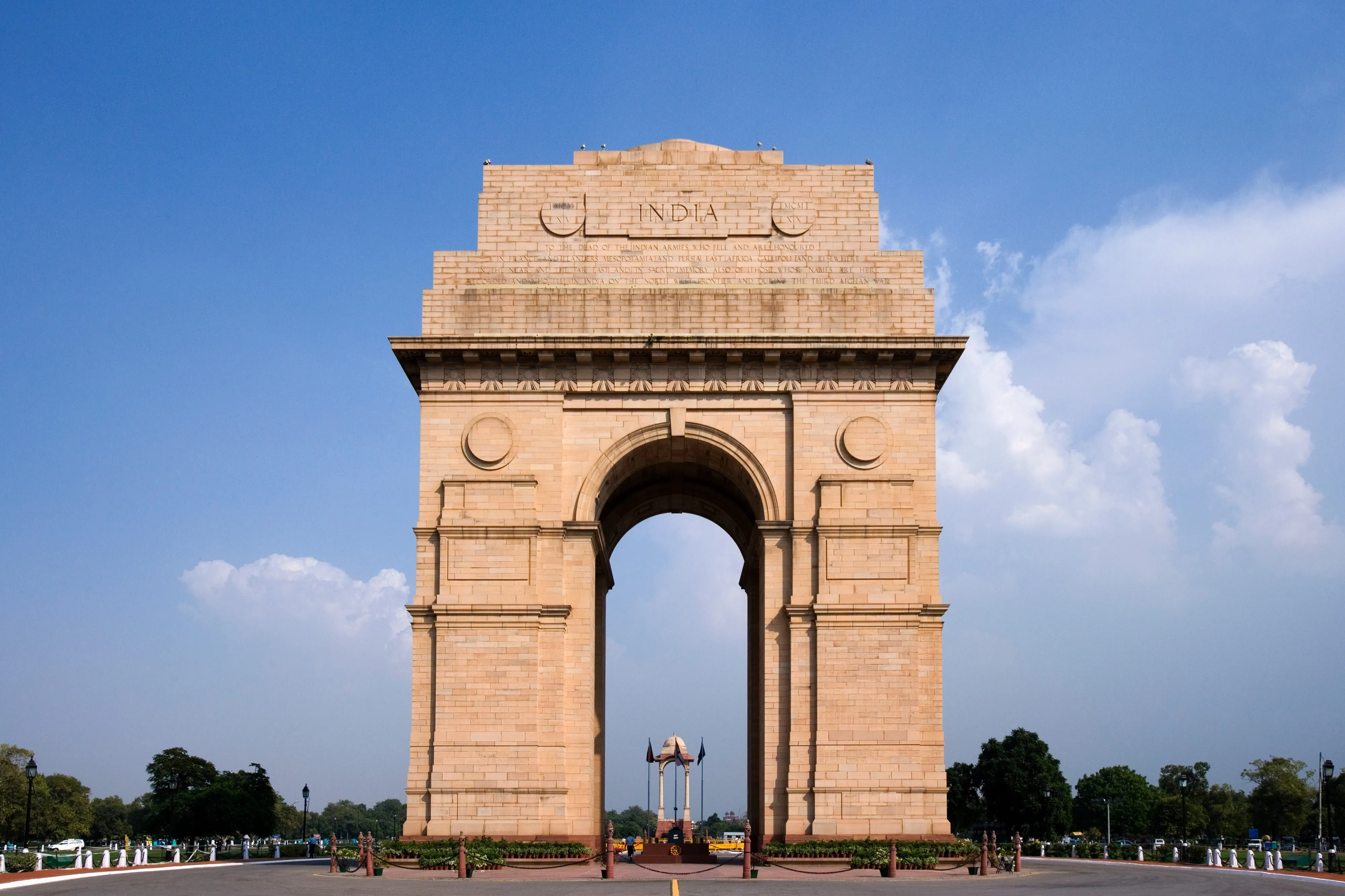
The contrast between Old and New Delhi is one of the city’s defining experiences. New Delhi was designed by the British architect Edwin Lutyens from 1911 onwards, when the British moved their capital from Calcutta. The result is a city of formal grandeur: wide, tree-lined boulevards, imposing government buildings, and India Gate, the 42-metre memorial arch built to honour the Indian soldiers who died in the First World War. The President’s House, Rashtrapati Bhavan, stands at the head of Rajpath and was, at the time of its completion in 1931, the largest residence of any head of state in the world.
Agra: The Taj Mahal and the Mughal Heartland
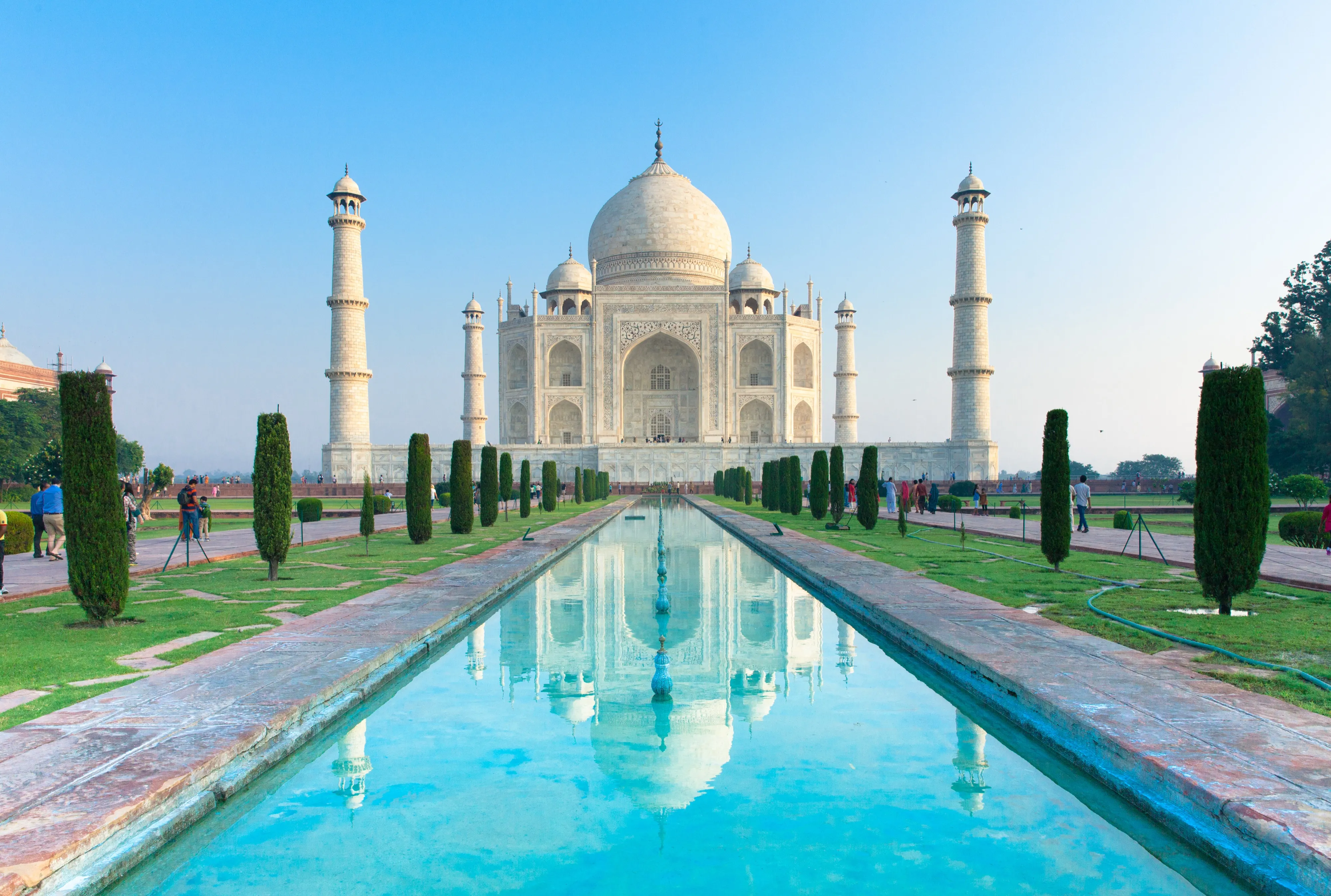
Three hours south of Delhi by road, Agra was the capital of the Mughal Empire at the height of its power. The Taj Mahal, commissioned by the Emperor Shah Jahan as a mausoleum for his queen Mumtaz Mahal and completed in 1653, is among the most recognised buildings on earth, and one of the few that exceeds its reputation in person. Agra Fort, begun by the Emperor Akbar in 1565, was the seat of Mughal administration for three successive emperors. Itmad Ud-Daula, known locally as the Baby Taj, is a smaller but exquisitely detailed mausoleum that many visitors find more moving than its famous neighbour.
En route from Agra to Jaipur lies Fatehpur Sikri, the short-lived capital that the Emperor Akbar built and abandoned within fourteen years (1571 to 1585). Its sandstone palaces, mosques, and courtyards are among the best-preserved Mughal buildings in India.
Jaipur: The Pink City of Rajasthan
Jaipur, the capital of Rajasthan, was founded in 1727 by the Maharaja Jai Singh II and laid out on a grid plan modelled on ancient Sanskrit texts, one of the earliest planned cities in Asia. The city’s buildings are washed in a distinctive terracotta-pink, a colour applied by royal decree in 1876 to welcome the Prince of Wales.
Amber Fort, 11 kilometres from the city centre, is the most dramatic of Rajasthan’s hill forts, accessed most memorably by elephant, and its Hall of Mirrors is one of the most opulent interiors in Mughal-Rajput architecture. The Hawa Mahal (Palace of the Winds) is the city’s most photographed building: a five-storey sandstone screen of 953 latticed windows, built in 1799 to allow the women of the royal household to watch street processions unseen. Jantar Mantar, built by Jai Singh II between 1727 and 1734, is a functioning astronomical observatory and the largest of the five he built across India.
Planning Your Visit
The cool, dry months from October to March are the season the Golden Triangle was made for, and the panel above sets out the rest. One local quirk is worth knowing: deep winter mornings in December and January can bring dense fog to the plains, which now and then delays early flights and road departures, so the first move of the day is best left unhurried.
Indira Gandhi International Airport is one of Asia’s busiest, receiving direct flights from cities across Europe, the Gulf, South-East Asia, and Australia, as well as frequent domestic connections from all major Indian cities.
Know before you go
- Altitude
- ≈700 ft, on the plains
- Climate
- Hot, semi-arid
- Best months
- October to March
- Avoid
- April to May (40°C+); monsoon Jul to Sep
- Known for
- Mughal and colonial heritage, Old Delhi bazaars
Let's plan your journey
Tell us what inspires you, and together we'll explore a journey that's just right for you.
No commitment required. We'll get back to you within 24 hours.