Most cities are planned by the list. You decide what you want to see, you put the items in a sensible order, and the day works. Cartagena does not reward that method, and visitors who apply it tend to spend the middle of every day wondering why they feel so defeated.
Cartagena is planned by the clock. It sits at sea level on the Caribbean coast in a climate our own Cartagena city page describes, without embellishment, as tropical, hot, and humid. The stone of the walled city absorbs that heat all morning and gives it back all afternoon. The result is a place where the same street is a pleasure at eight in the morning, an endurance test at one, and a pleasure again at six.
Here is what that looks like as an actual day.
Before Nine: The Best Hours You Will Get
The early morning is not a compromise in Cartagena. It is the best part of the day, and it is when the city looks the way it does in photographs. Stone holds heat, which is why the hour you visit the fortifications matters more than the route you take through them.
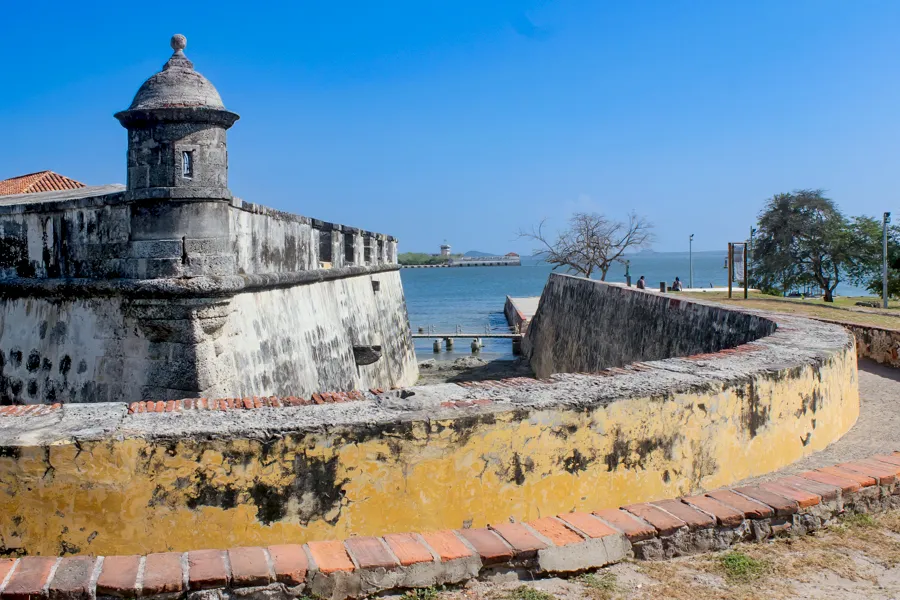
This is the window for the fortifications, and the city page is explicit about it: the great hilltop fortress outside the walls is best visited early in the morning, before the heat takes hold. It is the largest Spanish military structure in the Americas and the tunnels beneath it are worth unhurried time, which is exactly what you will not have at midday.
It is also the window the tours themselves are built around, and this is the detail worth noticing. The photography tour starts at 7:00 AM. The bike tour starts at 8:30 AM. Neither of those start times is arbitrary, and neither has a midday option, because nobody who works here would suggest one.
The photography tour in particular is a lesson in the same principle applied to light rather than comfort. Three hours from seven in the morning gets you the painted doors, the bougainvillea on the balconies, and the colour-drenched facades while the light is still low enough to be kind to them. The same streets at noon are flat, white, and much harder to photograph well.
Mid-Morning: Inside the Walls, in the Shade
From about nine until noon the walled city is still comfortable if you are sensible about which side of the street you walk on. This is the time for the walking tour of the old city and Getsemaní, four hours covering the ramparts, the Clock Tower Gate, the Palace of the Inquisition, and Plaza Bolívar, then out into the bohemian quarter for the street art.
 The arcades are not decoration. Colonial builders on this coast put deep shade at street level because the alternative was unusable.
Notice the architecture while you are in it. The arcades, the deep balconies, the thick walls and the shuttered windows are all climate engineering from a period with no other kind. Plaza de Bolívar has shaded benches, Plaza Santo Domingo has outdoor cafés, and the arcades run deep enough to walk a whole side of a square without stepping into the sun. The city was designed by people who had already solved this problem. You can simply use their solution.
Noon to Three: Stop
This is the part visitors resist, and it is the single most useful piece of advice about Cartagena. The middle of the day is not for sightseeing. The city page puts it in one line: the middle hours belong to shade, a long lunch, or the sea.
Take all three if you can. A long lunch in the old city is not a waste of a day, it is the local practice, and the restaurants are good. The alternative is the coast: Playa Blanca on Barú is about an hour away, and the Rosario Islands, a national park of twenty-seven coral islands holding Colombia’s largest reef system, are reached by boat. Being on the water in the middle of the day is a completely different experience from being on stone in the middle of the day.
If you would rather stay in town, this is the natural slot for the rum and chocolate tasting, which runs an afternoon session at 2:15 PM and an evening one at 8:15 PM. Both are indoors, both involve sitting down, and the tasting is led by a specialist working through aged Colombian rums and single-origin cacao. It is a civilised way to spend the hours when walking is a poor idea.
Late Afternoon: The City Comes Back
By three the city is habitable again, which is precisely why the bike tour offers a 3:00 PM departure and the photography tour a 2:30 PM one. The bike option covers far more ground than walking does, from Bocagrande through the walled city and Getsemaní out to the fort on Manga, with a cold coconut partway round.
Sunset: The Walls
The walls are open to walk along, and at sunset the light flattens against the sea and the whole rampart fills with people who live here. It costs nothing, it needs no booking, and it is the thing most visitors remember.
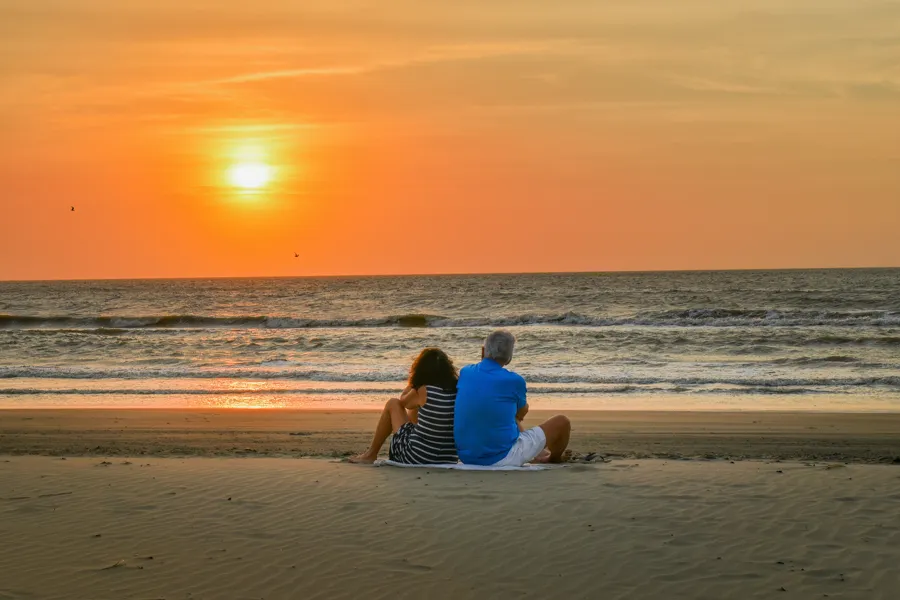 The hour the whole day has been arranged around.
After Dark: Getsemaní
Cartagena does not wind down after sunset, it starts. Getsemaní runs on salsa and champeta well into the early hours, and it is where the Afro-Caribbean culture of the coast, in the music, the food, and the language, is most present. It is also where a local guide earns their keep, because the difference between seeing the murals and understanding them is entirely a matter of who is standing next to you.
And When to Come at All
The dry season runs December to April, and those are the best months. That said, the daily rhythm described here applies in every month of the year, because Cartagena’s climate shapes a day far more than the calendar shapes a year.
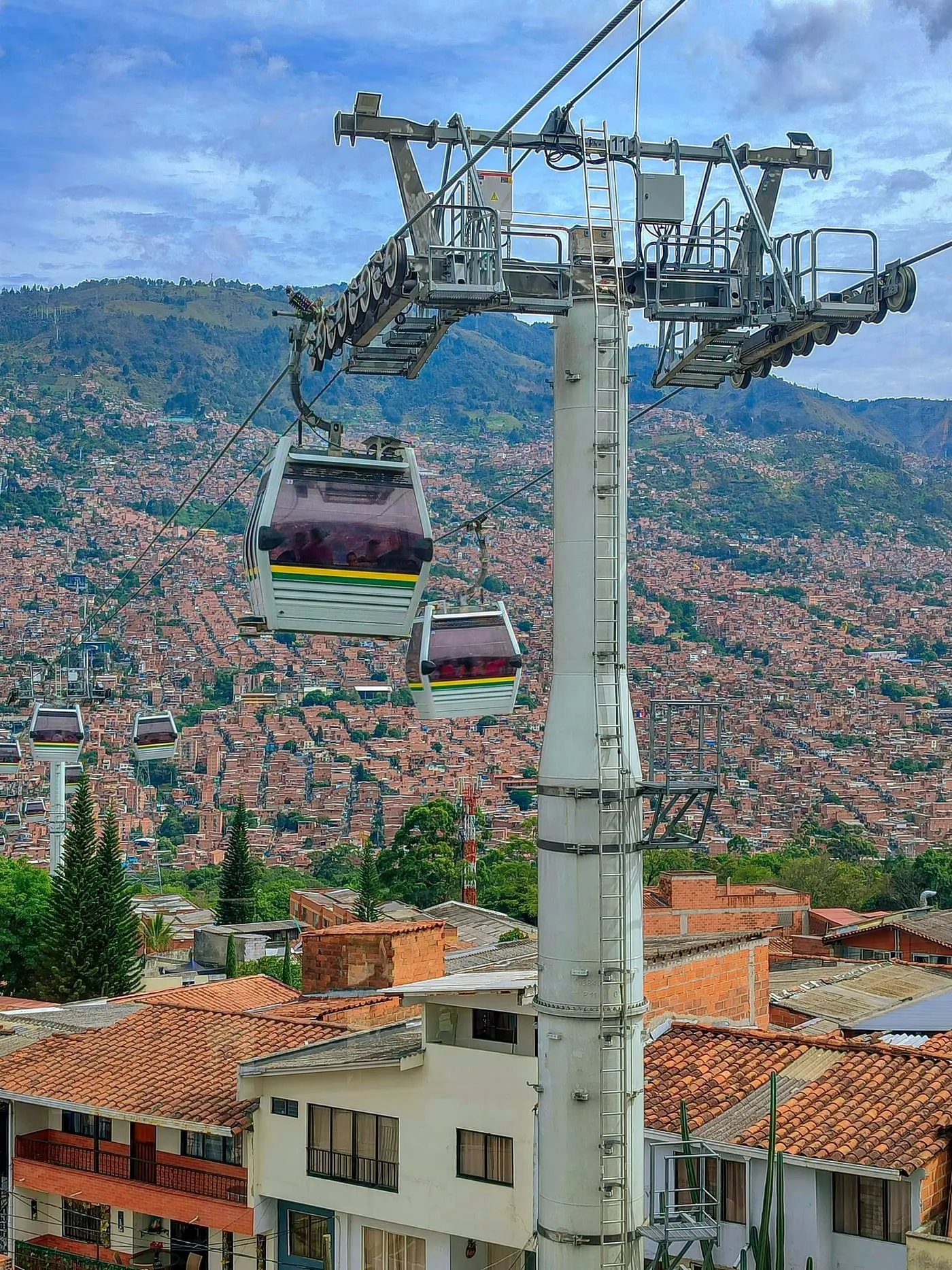
Two practical notes that follow from all of the above. Light clothing and more water than you think you need are not optional. And if you are combining Cartagena with the rest of the country, it is worth knowing that this rhythm is specific to the coast: Medellín and Bogotá ask nothing of the sort, which is part of why Colombia does not work as one undifferentiated trip.
If you want a Cartagena day built this way rather than squeezed into a standard half-day slot, tell us what you have in mind and we will shape it around the hours that actually work.
Written by
Mano Chandra Dhas ›Founder of Coromandel Tours. In travel since 1975, from Singapore Airlines to Emirates and Carlson Wagonlit, he now curates private journeys through Colombia, Peru, India, and Nepal from his home in Bogotá. Many of the photographs on this site are his.