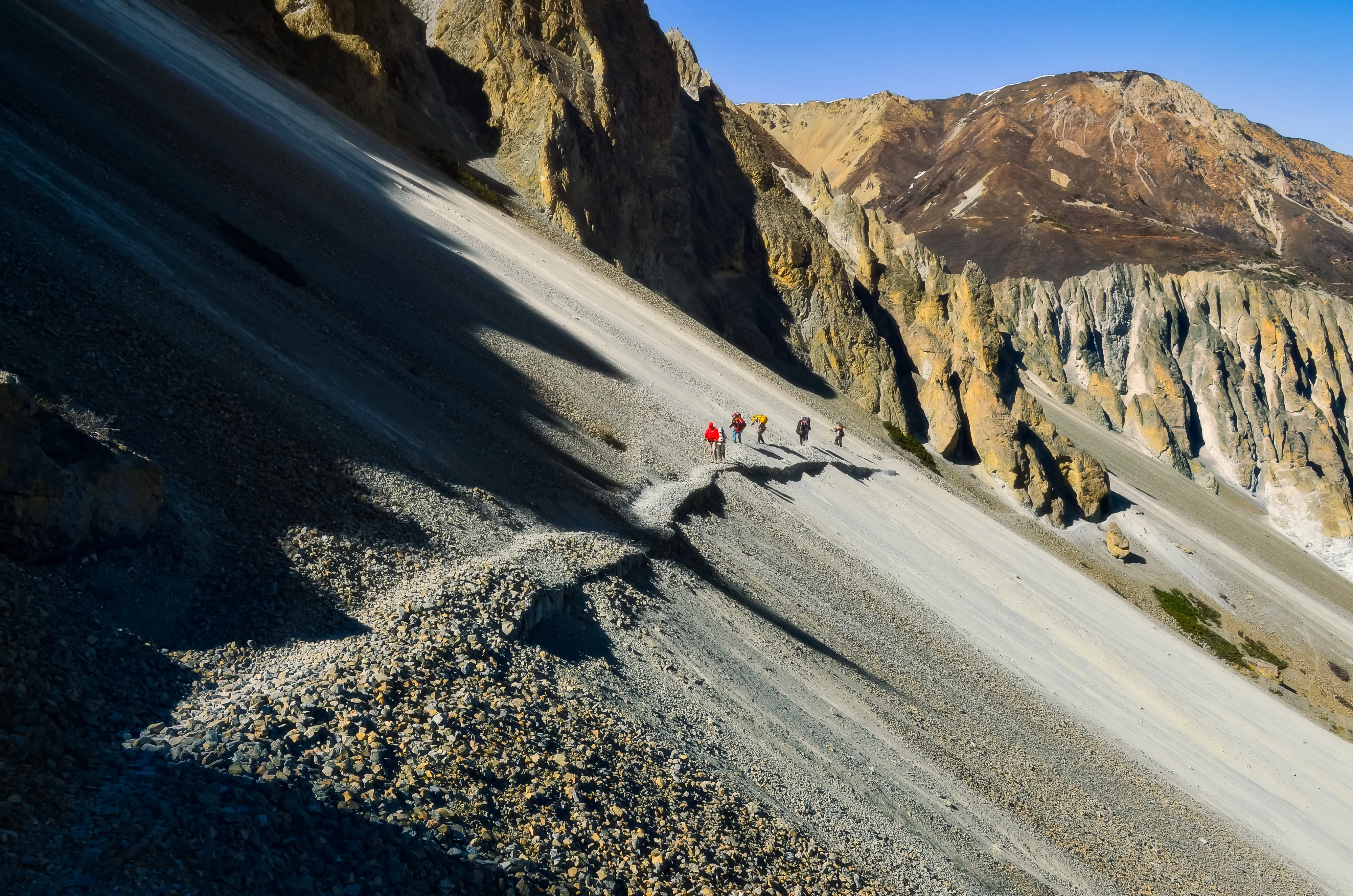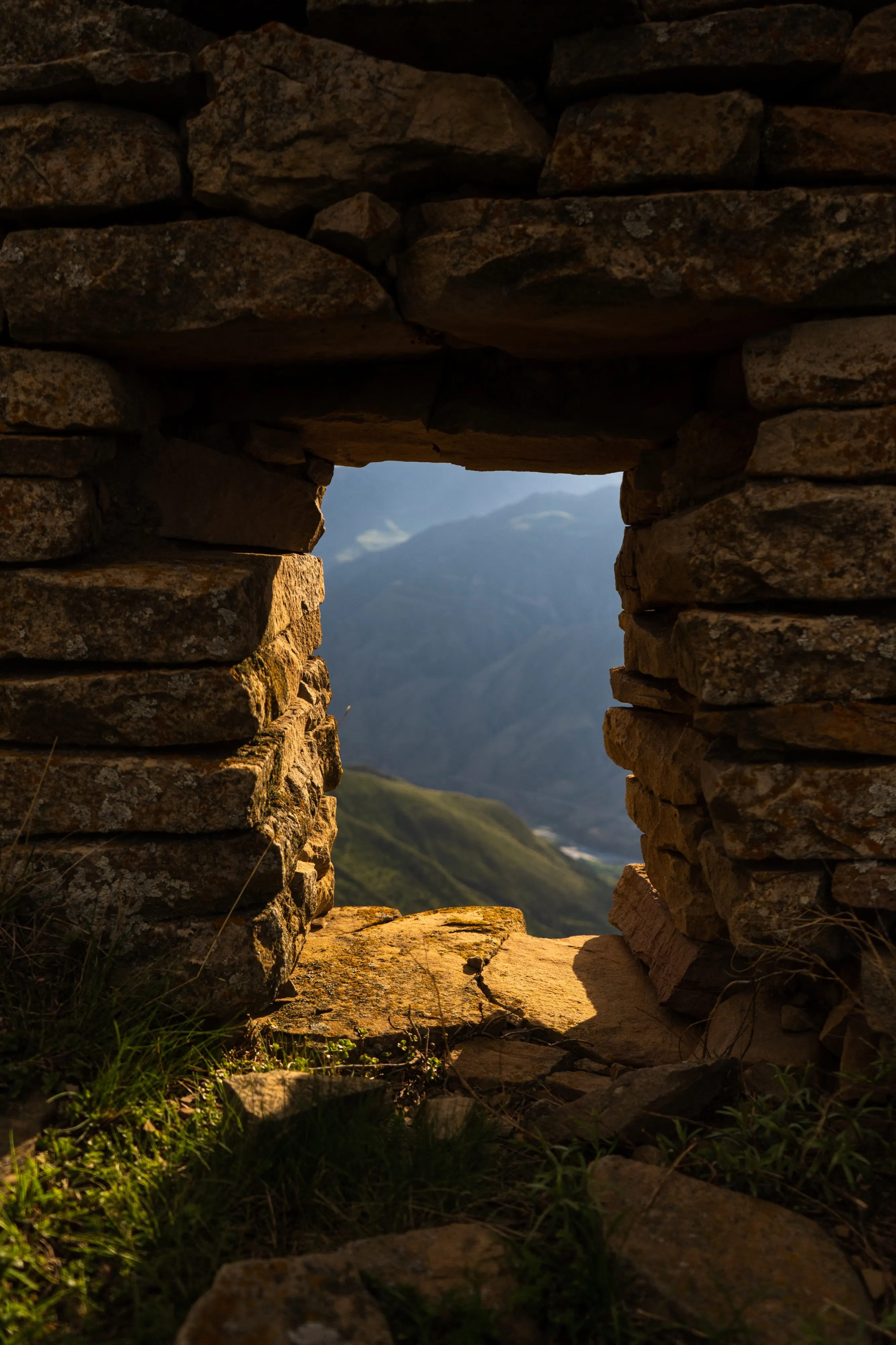
Almost everyone arrives in the Peruvian Andes the same way, on a flight from Lima into Cusco that takes a little over an hour, and almost everyone underestimates the same thing. It is not the ruins, or the trains, or the distances. It is the altitude. Cusco sits at 11,150 feet, high enough that the first afternoon can leave a fit and seasoned traveller short of breath on a gentle slope, and the single most common way a Cusco and Machu Picchu trip goes wrong is by treating that first day as time to be used rather than time to be given up.
We have made the case for building a trip around its pace rather than against it. Nowhere does that principle earn its keep more plainly than here, where the pace is not a preference but a physiological fact.
The Thing Most People Get Backwards
Here is the detail that surprises nearly everyone: Machu Picchu is lower than Cusco. The citadel stands at around 7,970 feet, more than three thousand feet below the city most people fly into first. The Sacred Valley, between the two, sits lower than Cusco as well, at around 9,000 feet on its floor. So the highest point of the whole journey is the very place you land, on the day your body has had the least time to adjust. This is why the sensible shape of the trip is to arrive high, rest, and then descend, rather than the other way around.
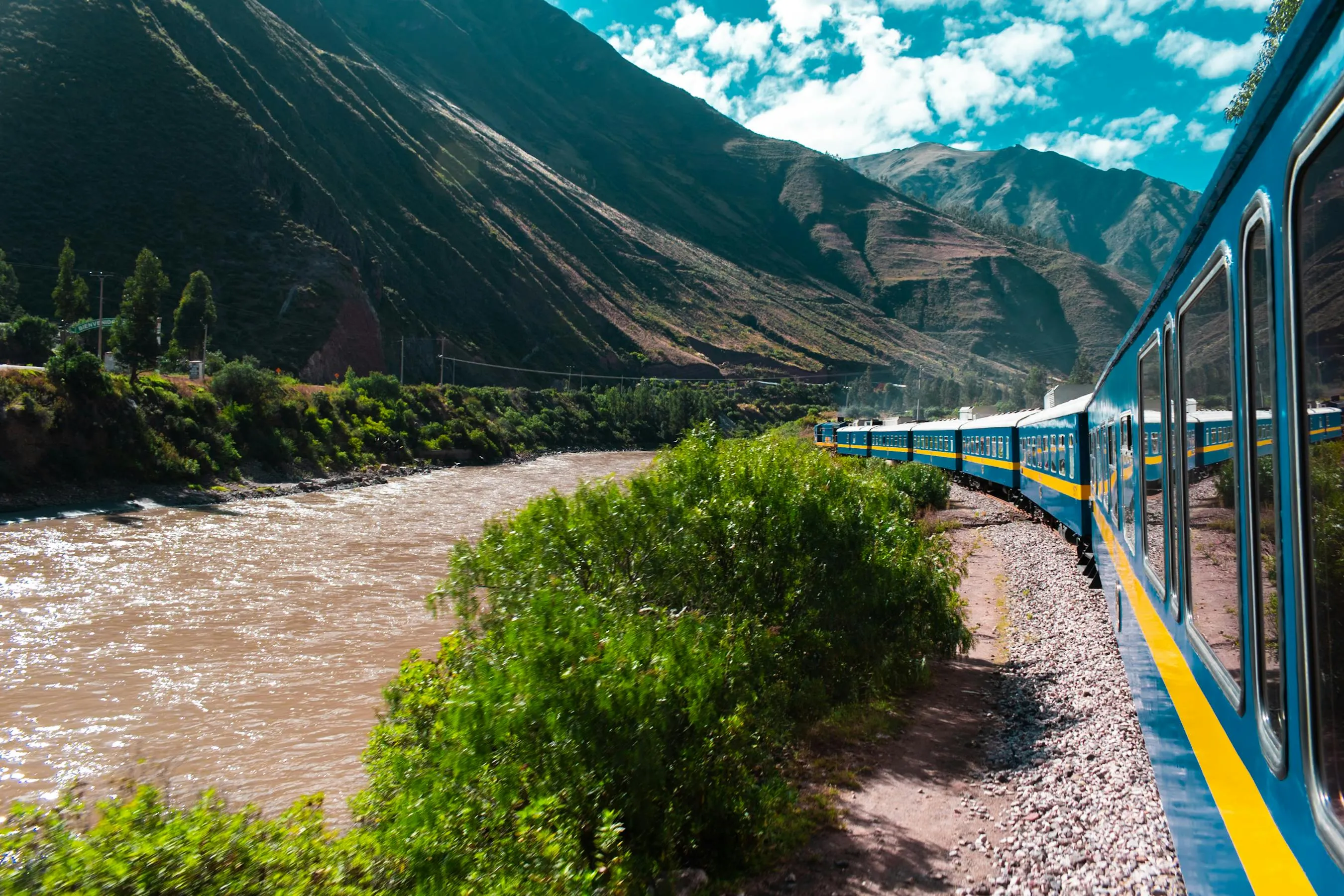 The Sacred Valley, lower than Cusco and gentler on the lungs, is where the trip descends after the first days.
It also explains why a well-built itinerary looks almost lazy on paper for its opening day. On our five-day Cusco and Machu Picchu journey, the first day does almost nothing on purpose: a driver meets you at the airport, you settle into the hotel, and the most strenuous thing on the agenda is a short walk near the hotel in the evening and a cup of coca tea, the mild local remedy that is widely available and genuinely helps. That is not a thin day. It is the day that makes the other four possible.
Then the City, Then the Descent
With a day of adjustment behind you, Cusco itself opens up on foot, and it deserves a full morning. The old Inca capital is a city of foundations, where enormous close-fitted Inca stonework carries Spanish colonial walls above it, and a guided walk takes in San Pedro Market, the Plaza de Armas, and Qorikancha, the Temple of the Sun that the conquistadors built a church directly on top of. A morning is enough; the afternoon is better left free, because you are still at altitude and there is no prize for filling every hour.
The trip proper begins its descent on the day you cross the Sacred Valley. The full-day route through Pisac, with its ruins and craft market, and on to the terraces and fortress of Ollantaytambo, is not only among the most rewarding days in Peru, it is also the day your body starts to feel easier, because every stop is lower than the one before. From Ollantaytambo the train carries you down the valley to Aguas Calientes, the town at the foot of Machu Picchu, which at under 7,000 feet is the lowest you will sleep on the whole trip.
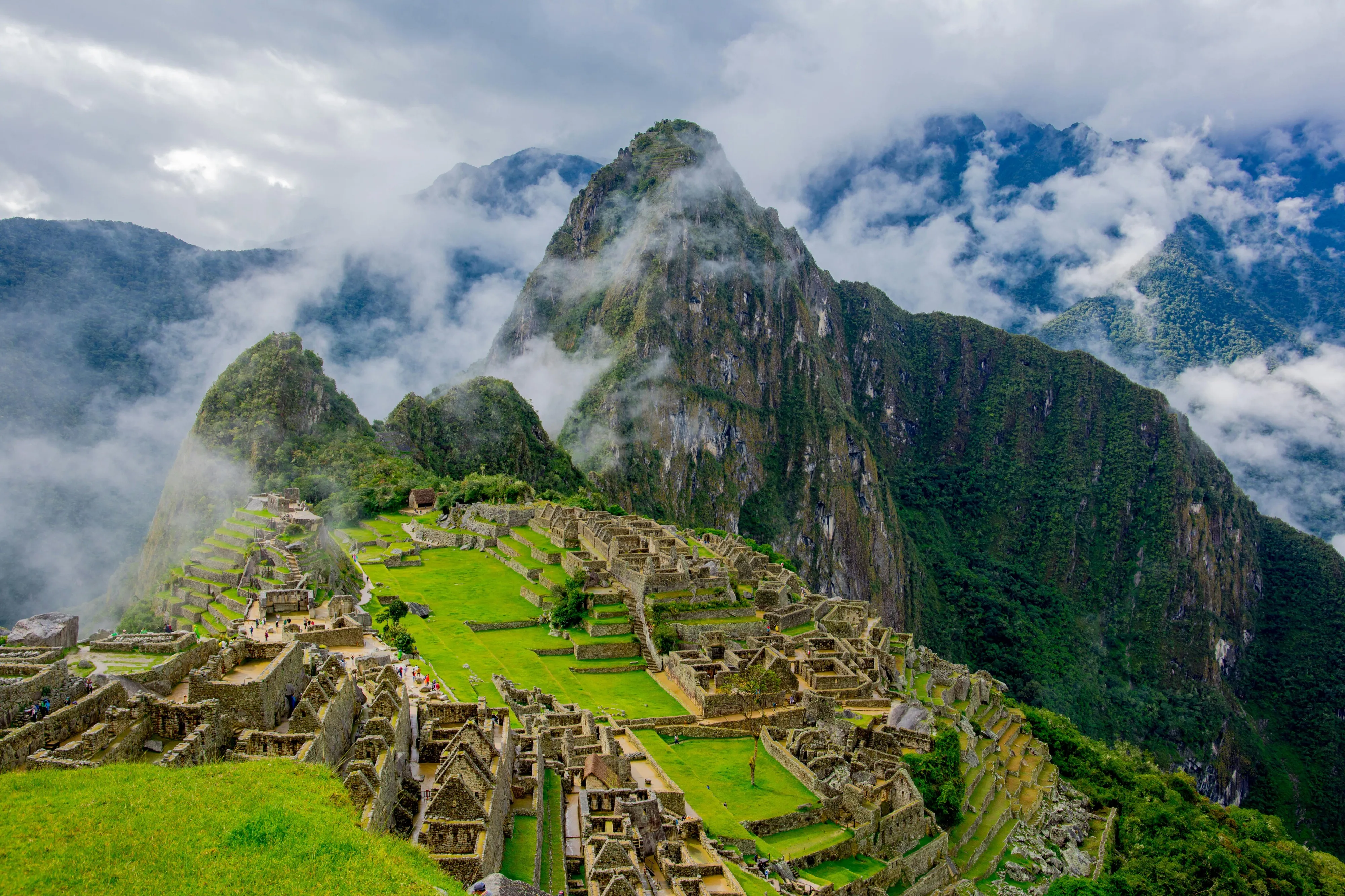 Machu Picchu stands more than three thousand feet below Cusco, which is part of why the sequence matters.
Why the Order Is Not Yours to Improvise
All of this argues for something that is easy to say and easy to get wrong on your own: the sequence of a Peru trip is load-bearing, and it is decided by altitude, train times, and the single daily entry windows at Machu Picchu long before it is decided by preference. The trains from Ollantaytambo run to a timetable, Machu Picchu admits visitors on timed circuits, and the acclimatisation day cannot be borrowed against without the whole trip paying for it later. This is the kind of itinerary where the order of the days is most of the work, and where handing it to someone who books these trains and these entries regularly is worth far more than it looks.
There is a comfort argument too, and it is the one we make most often to travellers who are not in their twenties. A trip planned around the altitude, with a genuine rest day, a private vehicle rather than a scramble for transport, and hotels chosen at the comfort level you actually want, is the difference between coming home exhilarated and coming home wrung out. The mountains do not get any lower. The plan is the only variable you control. We have made that argument in full, and Cusco is where it is easiest to see why it matters.
The Practical Shape
Give the region five days at the least, four nights, which is what it takes to arrive gently, see Cusco, cross the Sacred Valley, and stand in Machu Picchu without any of it being a rush. Drink more water than feels necessary and less alcohol than you might like for the first two days; both matter more at altitude than at home. Pack layers, because the Andean day swings from cold mornings to strong midday sun, and pack them in a soft bag you can carry, since the train has luggage limits that a full suitcase will exceed.
The height is the one part of a Cusco and Machu Picchu trip you cannot negotiate with, but it is entirely possible to plan around, and the planning is most of what separates a great week here from a hard one. If Peru is on your mind, tell us what you have in mind and we will build the days in the order the mountains require.

Written by
Mano Chandra Dhas ›Founder of Coromandel Tours. In travel since 1975, from Singapore Airlines to Emirates and Carlson Wagonlit, he now curates private journeys through Colombia, Peru, India, and Nepal from his home in Bogotá. Many of the photographs on this site are his.