The question we are asked most often about India is some version of how long do I need, and the honest first answer is another question: to see what? India is not a country in the sense that a first-time visitor usually means it. It is a subcontinent of nearly a billion and a half people and dozens of languages, where a week in the north and a week in the south are two entirely different holidays in two entirely different places. The most common planning mistake, by a wide margin, is to treat India as a single destination that can be covered in one ambitious fortnight. It cannot, and the trips that try are the ones people come home exhausted by.
The better frame is to stop asking how long India takes and start asking how long a region of India takes. Once you think that way, the planning becomes clear, and so does the case for more than one trip.
The Classic First Trip: The Golden Triangle
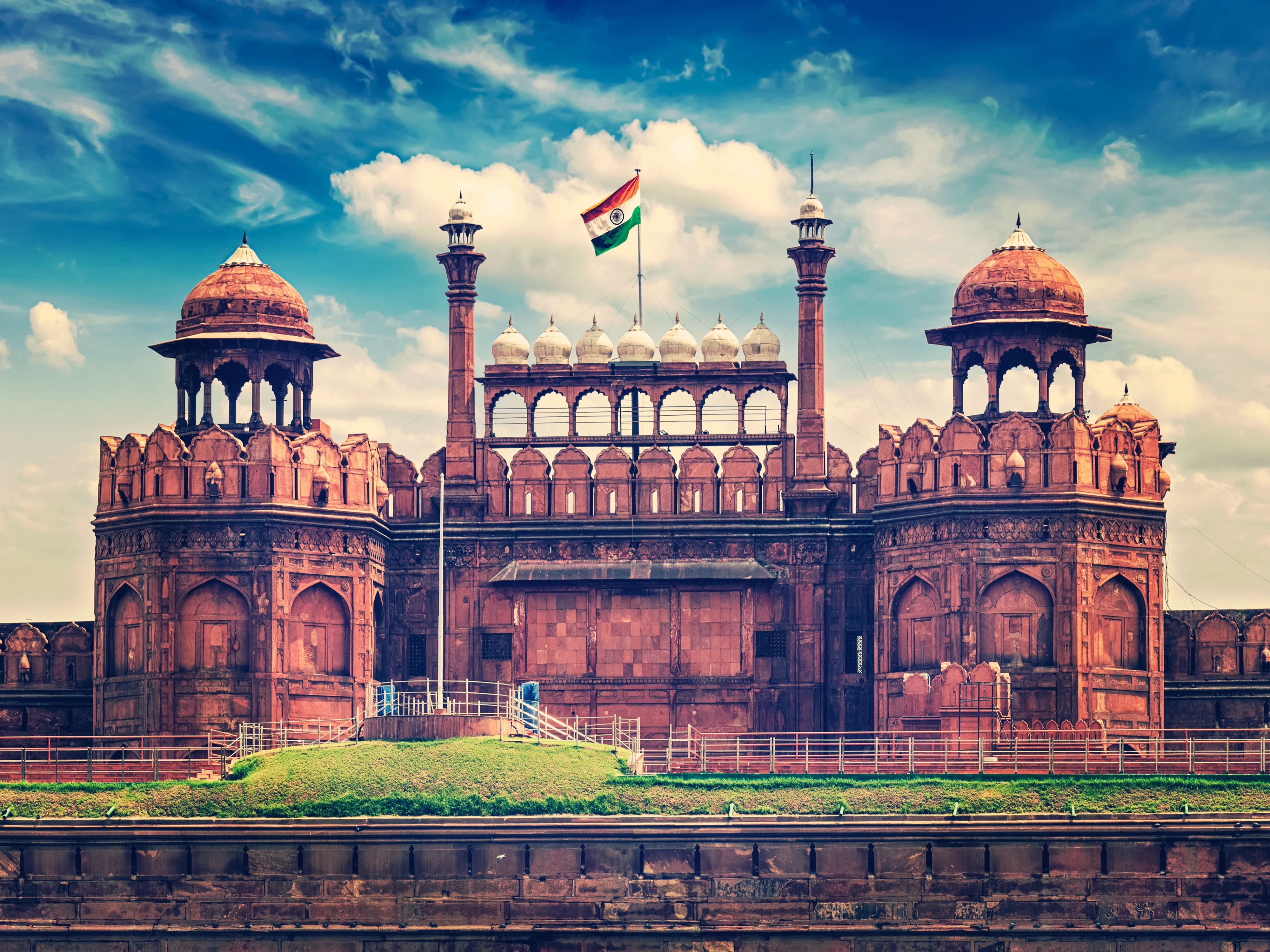
For most first-time visitors, the right answer is the north, and specifically the triangle of Delhi, Agra, and Jaipur. It is the classic introduction for good reason: it holds the Taj Mahal, the forts and palaces of Rajasthan, and the layered history of the capital, all within comfortable reach of one another. A well-paced Golden Triangle wants seven to ten days, and we have written separately about the several ways to build one, because even this one route is really a family of routes. Add the tigers of Ranthambore, the lakes of Udaipur, or the ghats of Varanasi on the Ganges, and the same trip stretches naturally to a full two weeks without ever feeling stretched.
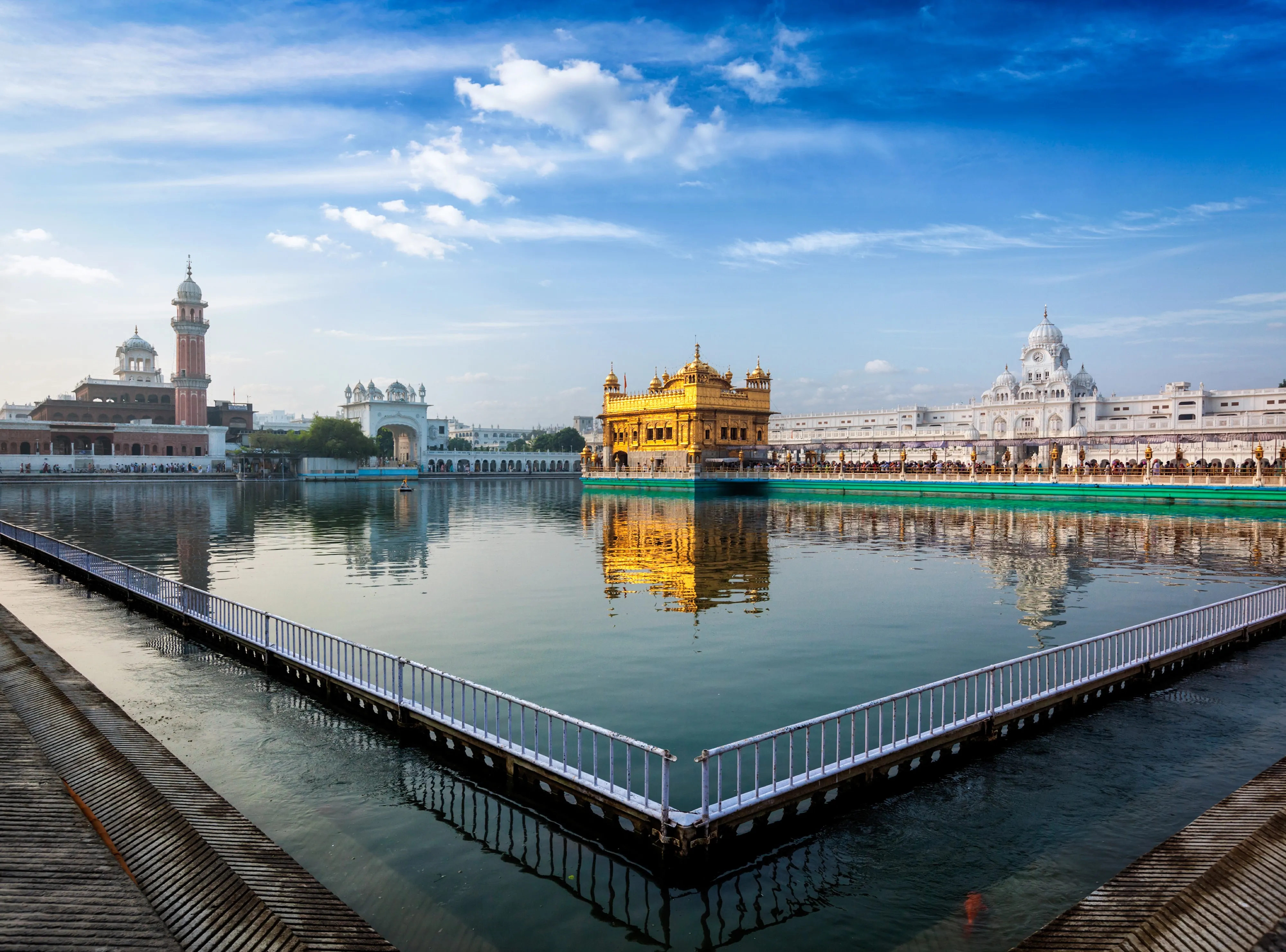 The Golden Temple at Amritsar, in the north. Even within one region, India offers more than a single trip can hold.
What the Golden Triangle is not is a summary of India. It is the north, at a particular register of Mughal and Rajput history, and it leaves the rest of the country entirely untouched. That is not a flaw. It is simply what one trip is.
The Other Indias
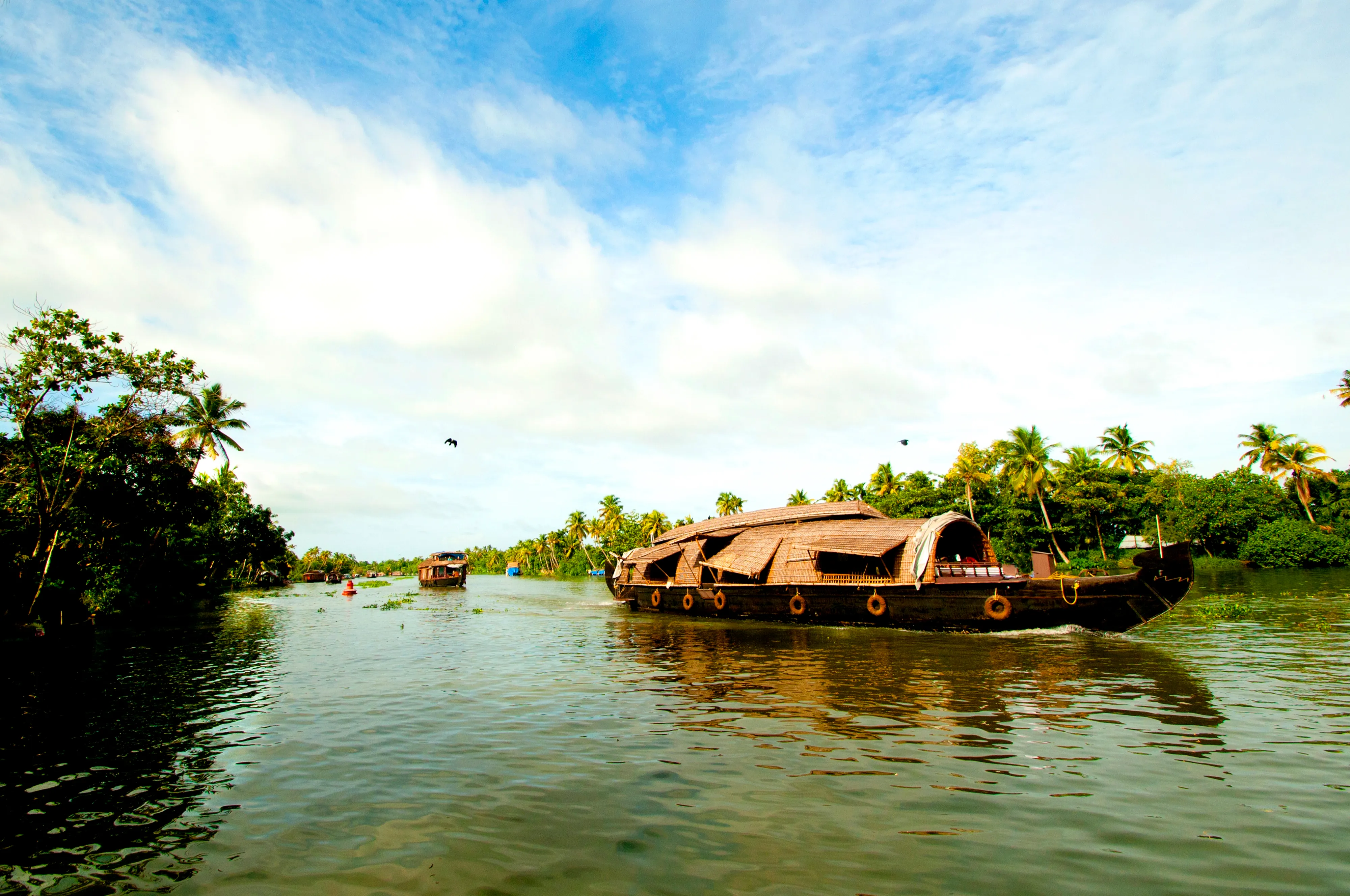
Go south and you arrive in what feels like a different nation. Kerala, on the tropical southwest coast, moves at the pace of its backwaters, a network of palm-lined canals best seen from a houseboat drifting at a walking speed. The language is different, the food is different, the climate is different, and the whole Kerala experience rewards a week of its own rather than a few days bolted onto a northern tour. It is one of the most restful weeks in the whole of Asia, and it has almost nothing in common with Delhi.
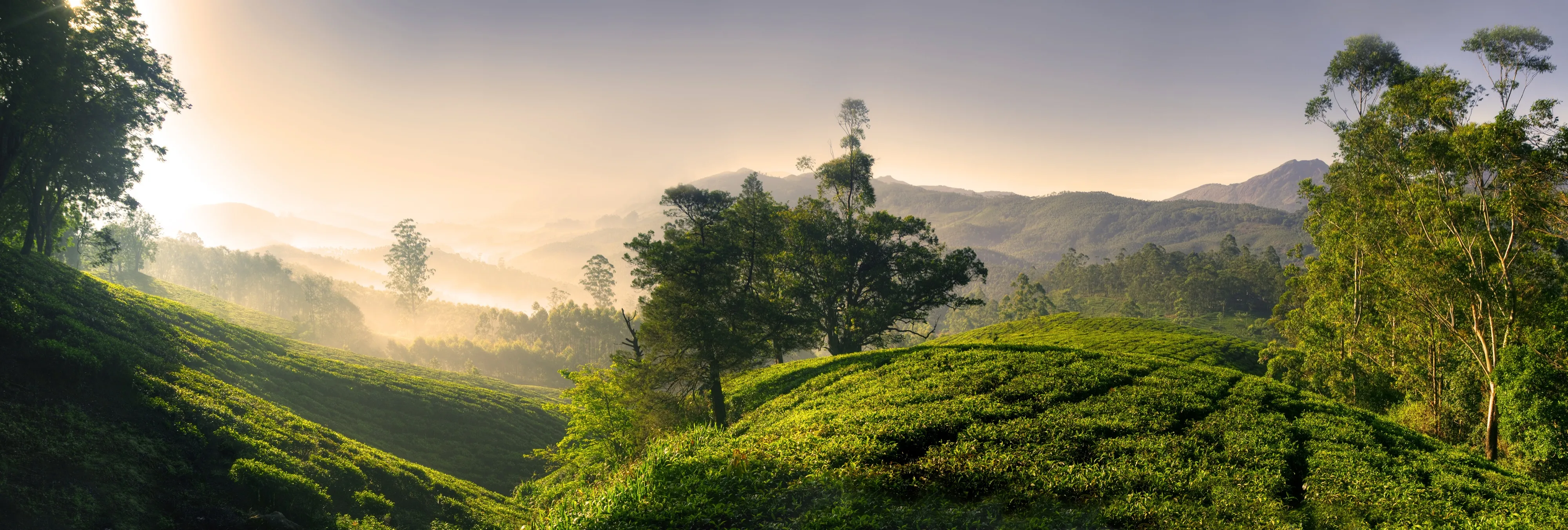 The tea country of the east, another India entirely, and another trip.
East lies Bengal and beyond it the tea country, where Kolkata’s intellectual and colonial past gives way to the hill plantations that supply half the world’s morning cup, a region our eastern journey is built around. North again, past the plains, the land rises into the Himalayas, to Kashmir and the old hill stations, a mountain India that shares a border with the rest of the country and little else. Each of these is a trip. None of them is an add-on.
Why Coming Back Beats Cramming
All of this points to a conclusion that runs against the instinct to see everything while you are there: the right way to see India is over more than one visit. We have argued elsewhere that depth beats distance, and nowhere is the argument stronger than in a country this large and this varied. A fortnight given wholly to the north, or wholly to the south, comes home rich. The same fortnight split between them comes home with two half-trips and a great deal of time lost to the long internal flights that connect regions India’s size demands.
There is a practical dimension too. India asks more of a traveller than most destinations, in heat, in crowds, in the sheer sensory volume of its cities, and a trip that also races the clock compounds all of it. A trip built around one region, at an unhurried pace, as we would build for any traveller who values their energy, is the version that leaves you wanting to return rather than relieved to be leaving. And returning is the point. India is not a box to be ticked once. It is a country you can spend a lifetime getting to know, one region at a time.
The Practical Shape
So the honest answer to how long you need is this. Give a first trip to India ten days to a fortnight and spend it all in one region, most often the Golden Triangle and its natural extensions. Save the south, the east, and the mountains for the trips that follow, each with a week or two of its own. Move between distant regions by air rather than overland, since the distances are genuinely continental, and build in more rest than you think you need, because India is generous and demanding in equal measure.
If India is on your mind and you are trying to work out where to begin, tell us what draws you and we will tell you honestly how much of the country one trip can hold, and which part of it should be first.

Written by
Mano Chandra Dhas ›Founder of Coromandel Tours. In travel since 1975, from Singapore Airlines to Emirates and Carlson Wagonlit, he now curates private journeys through Colombia, Peru, India, and Nepal from his home in Bogotá. Many of the photographs on this site are his.